
- Insight into the Everest Base Camp Trek.
- When to trek: Selecting an Appropriate Season.
- Spring (March-May):
- Autumn (September – November):
- Monsoon (June-August):
- Getting to the Trailhead.
- Permits Required for the trek.
- Common Symptoms include:
- Accommodation: Residence in Tea Houses.
- Communal dining areas
- Clothing Essentials:
- Other Useful Items:
- Cost of Trekking:
- Food and Water on the Trail:
- Conclusion:
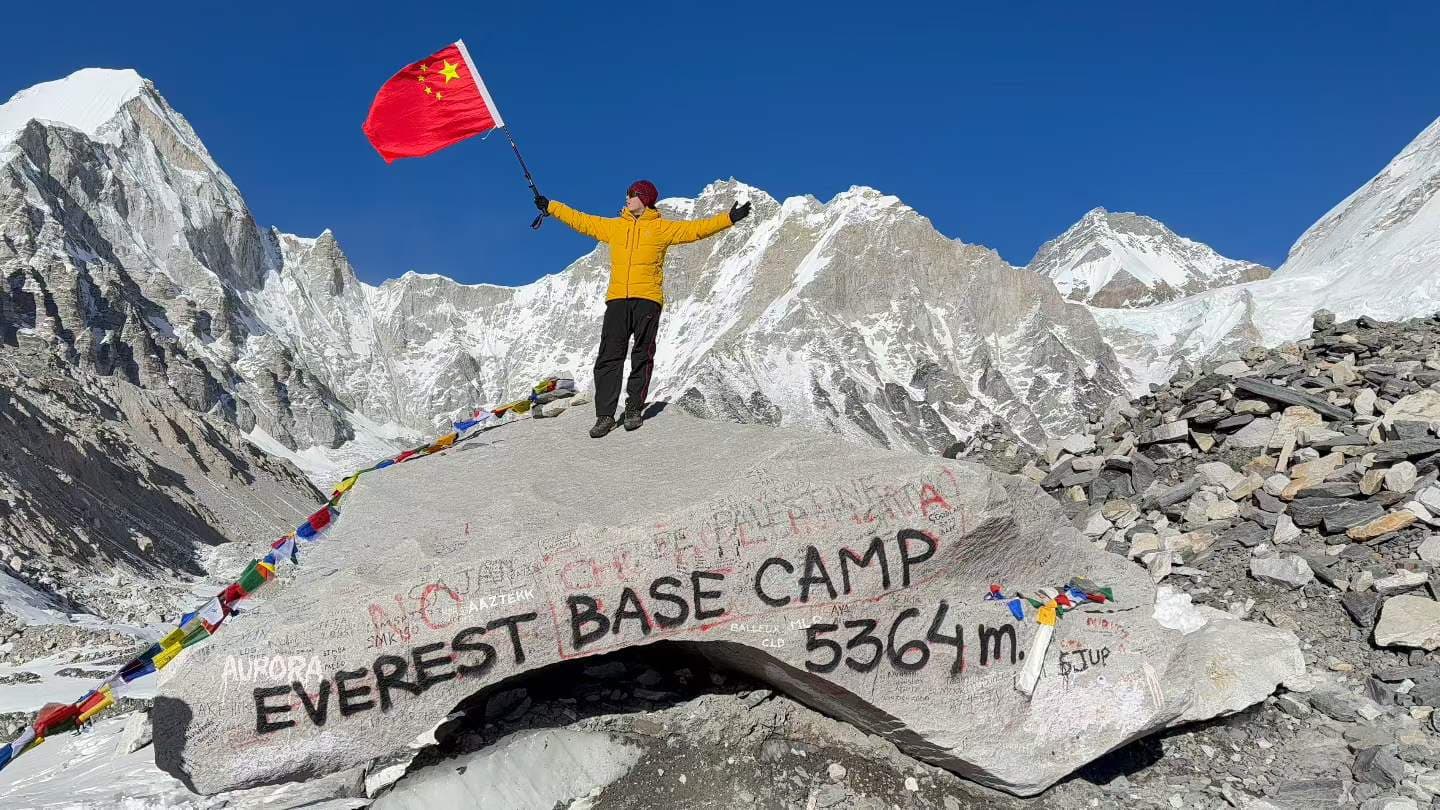
Everest Base Camp is one of the world’s most iconic, legendary and popular travel experiences. The highest peak on the planet – The Mount Everest. Everest Base Camp refers to two base camps. One is South Base Camp which is 5,364 m. And the other one is North Base Camp, which is 5,150m. This destination is a moment where many travellers dream of. But reaching in the base camp requires knowledge, a good preparation and a very strong mindset. The guide contains all the information that you must know before you begin your trip to Everest Base Camp.
Insight into the Everest Base Camp Trek.
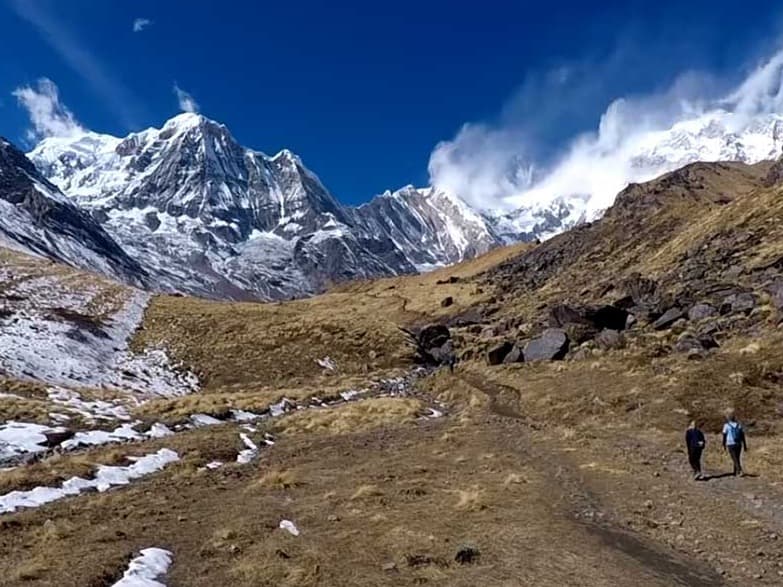
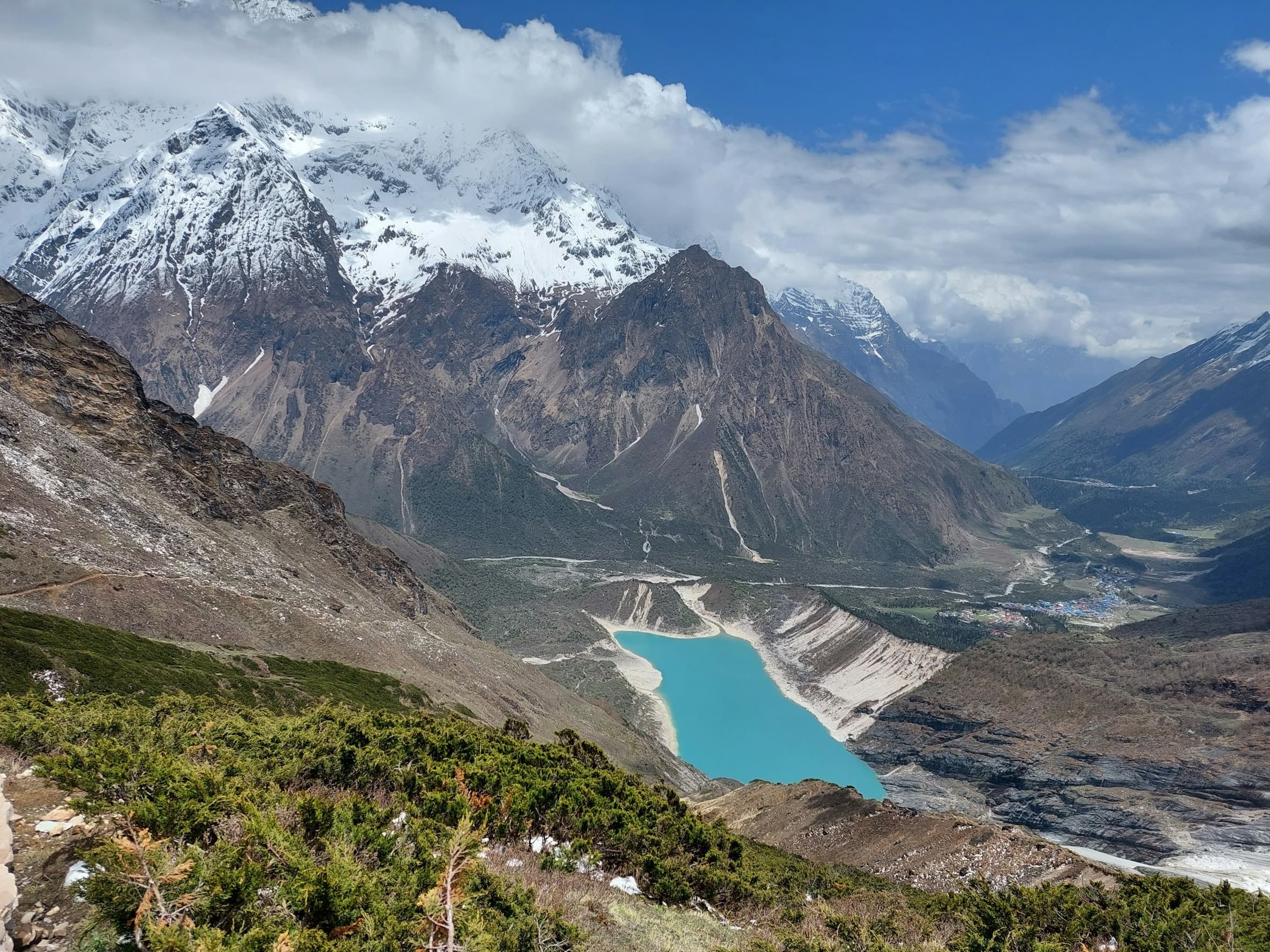
The EBC trek would normally take between 12-14 days and will take you through the crowded Kathmandu streets to the Khumbu Valley. The EBC trek is around 130 kilometres round trip. The trek does not involve tuff technical climbing skills as in the case of mountaineering. However, it requires a good degree of physical fitness, resolute mind, and a good planning. Throughout the trail there are Sherpa villages, suspension long bridges, old monasteries and a very eye-catching scenery of the Himalayans. An excellent blend of nature and culture that makes the trail rewarding and honoured.
When to trek: Selecting an Appropriate Season.
The weather defines any Himalayas adventure and the season one attends makes the whole adventure a safer and better experience. The two perfect trekking seasons:
Spring (March-May):
Another most widely used season of the EBC trek is Spring. In this season, it has a perfect weather condition with clear skies, little rain fall and pleasant temperatures which makes it a good place to trek over a long distance.
Autumn (September – November):
Autumn is regarded as the peak season of treks. It has clear skies, little rainfall and favourable temperatures which makes it a perfect location to engage in long distance trekking. The mountain sceneries are the clearest and the path is nice and not congested.
This is the part of seasoning, what’s in Off-Season Considerations
Winter (December-February):
It can be very difficult because of extreme coldness and snow. Only suitable to foreign trekkers who are well familiar with rough conditions.
Monsoon (June-August):
Trails are rough and has very low visibility. Flight delays at Lukla are very common in this weather.
Getting to the Trailhead.
Trip starts from Kathmandu. Once permission and supplies are in place, majority of the trekkers fly within 25-30 minutes to the Lukla Airport. Lukla has a mountain runway that is known to be considerable enough and the adventure of entering is very much exciting.
At Lukla the actual journey begins when you move down slowly to Phakding before slowly ascending to Namche Bazaar.
Permits Required for the trek.
Before entering to the Everest region, all trekkers must obtain two official permits:
Permit of Khumbu Pasang Lamu Rural Municipality.
Sagarmatha National Park Entry Permit.
Typical EBC Trekking Itinerary.
Day 1: Kathmandu → Lukla → Phakding
Day 2: Phakding → Namche Bazaar
Day 3: Acclimatization in Namche (hike to Everest View Hotel)
Day 4: Namche → Tengboche
Day 5: Tengboche → Dingboche
Day 6: Acclimatization in Dingboche
Day 7: Dingboche → Lobuche
Day 8: Lobuche → Gorakshep → Everest Base Camp
Day 9: Kala Patthar sunrise → Pheriche
Days 10–12: Return to Lukla via Tengboche and Namche
Altitude: The Biggest Challenge of the Trek.
The Altitude sickness is the number one in the Everest Base Camp Trek. At an altitude or height higher than 3000 meters, there is oxygen and it becomes harder to breathe.
Common Symptoms include:
Headache
Loss of appetite
Nausea
Dizziness
Difficulty sleeping
Prevention tips:
Stay well-hydrated
Avoid alcohol and smoking
Eat nutritious meals
Pay attention to your body
Accommodation: Residence in Tea Houses.
The network of tea house which are small lodges providing accommodation, meals, and a warm place to rest is one of the most important features of trekking in Nepal. These are family-owned restaurants that offer:
Simple room and simple beds
Communal dining areas
Local dishes like dal bhat, noodles, soups, and fried rice.
The amenities are minimized as you ascend to heights, yet the air is friendly all through the trip.
What to pack? Essential Gears:
Packing smartly is very important. Temperatures change unexpectedly and weather may change so the essential gears that are required are as follows:
Clothing Essentials:
Wicked-Moisture base layers
Fleece jacket
Down jacket
Waterproof outer layer
Trekking pants
Insulated gloves and warm hat
Footwear & Accessories:
High-quality trekking boots
Thermal socks
Sunglasses with UV protection
Trekking poles
30–50L backpack
Other Useful Items:
Water purification tablets
Headlamp
Power bank
Lip balm & sunscreen
First-aid kit
Make your you make your pack is not that heavy. The less weight the better you can walk.
Cost of Trekking:
The average cost of an Everest Base Camp hike is between $1200 to $2500 based on the type of travel.
Main expenses include:
Lukla flight (round trip)
Accommodation and meals
Guide and porter services
Permits
Trekking gear
Travel insurance
It is advisable to hire a guide because it is useful in terms of safety, cultural understanding and many more. It improves your experience, as well as it promotes local lives.
Food and Water on the Trail:
The menu of tea houses has many choices of meals, such as traditional Nepali dal bhat up to western foods such as pasta or pancakes. Dal bhat containing rice, lentils and vegetables is particularly a favourite due to its freshness, plenty and unlimited refills in most of the restaurants.
In the case of drinking water, you may buy water bottle and spend less water for the further trek also.
Conclusion:
The journey to Everest Base Camp is not just any other adventure, it is a complete exercise of your mind, your pre-trip preparation. At this point, you have the fundamental taken care of the path, the proper time of year, the physical fitness you must possess to make it up top to Namche Hill Halfway. Everest Base Camp trek is an adventure demanding both the mind and the body and the right nutrition practices and hydration can make the difference between the success of the control. Eating easily digestible foods with a lot of energy in it helped sustain stamina in long treks as consumed noodles, rice preparations, soups, and snacks as chocolate and nuts. Hydration is also of absolute importance so you must bring enough water and employ some form of purification so that you will not lose your water in the high altitudes. It is not just that you can fill your body with what you consume and drink and thus you prepare your body to the trek but also makes your experience in the journey to the Everest base camp safer, healthier and more enjoyable.