
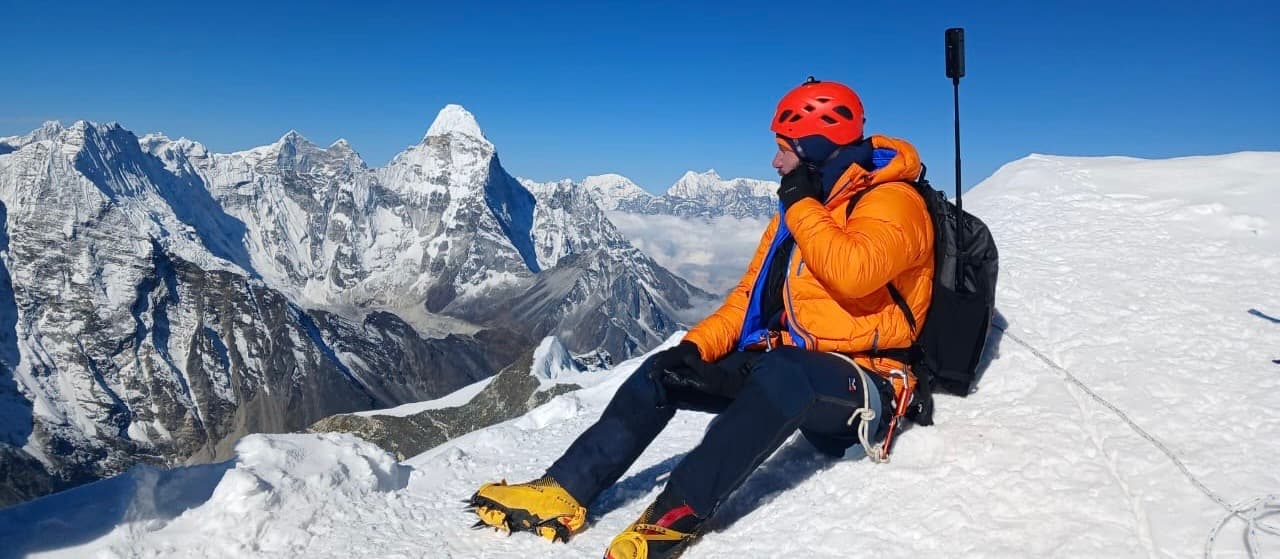

Island Peak Climbing with EBC Trek

5/5 from 0 reviews
  • DestinationNepal
  • Durations16 days
  • Trip DifficultyDemanding+Challenging
  • ActivitiesTrekking
  • AccommodationLodge/Tea House/ Camping during the Trek/Climbing
  • Mx.altitude6189m.
  • VehicleBus/Jeep/Flight
  • Group SizeMin. 1 Pax

Highlights

  • Take a scenic flight from Kathmandu to Lukla.
  • Experience Sherpa culture and visit old monasteries along the trail.
  • Walk through traditional villages and reach Everest Base Camp and Kalapatthar.
  • Climb Island Peak at 6,189 meters.
  • Cross the challenging Kongma La Pass at 5,535 meters.
  • Spend a night at Island Peak High Camp before the summit climb.
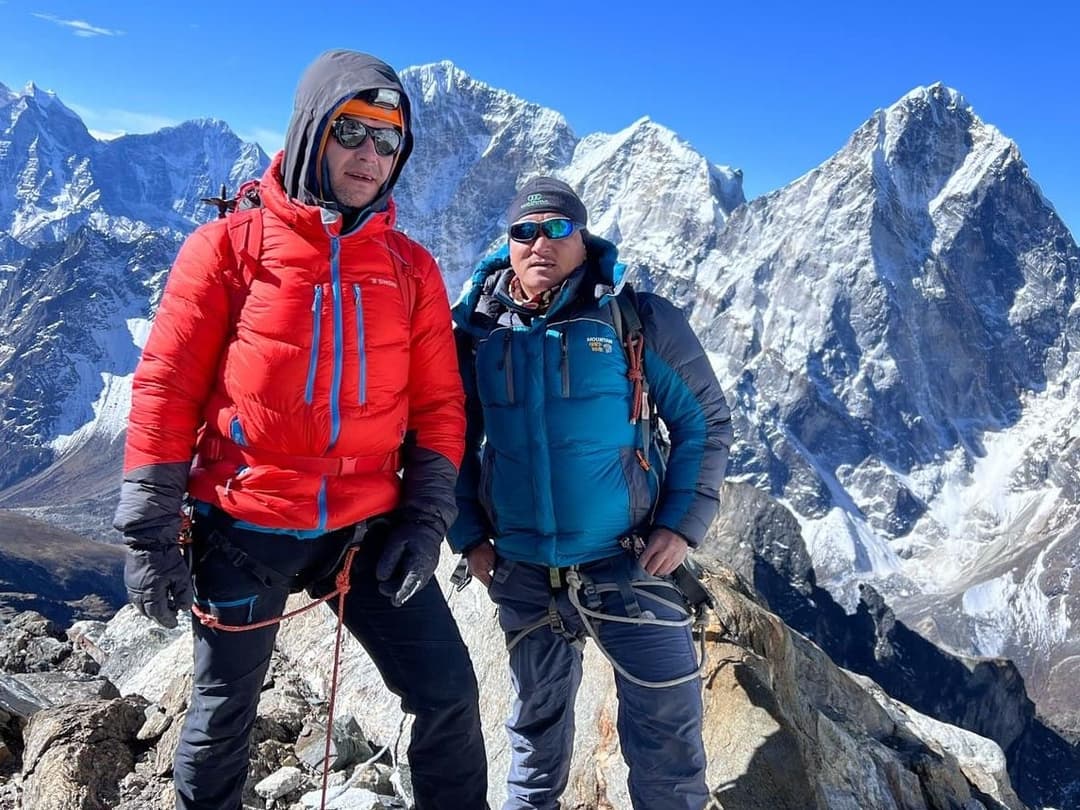
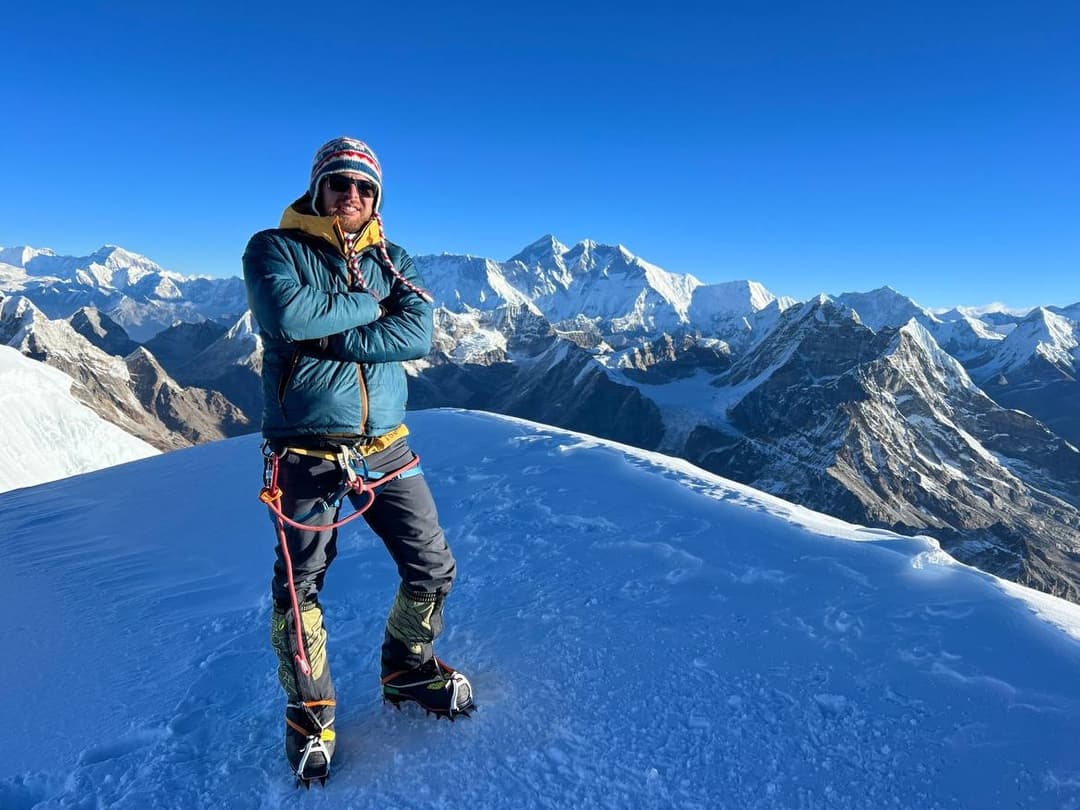
  • Learn basic climbing skills and use crampons, ropes, harnesses and ice axes on the climbing section.
  • Cross snow and glacier sections on the way to the Island Peak summit.
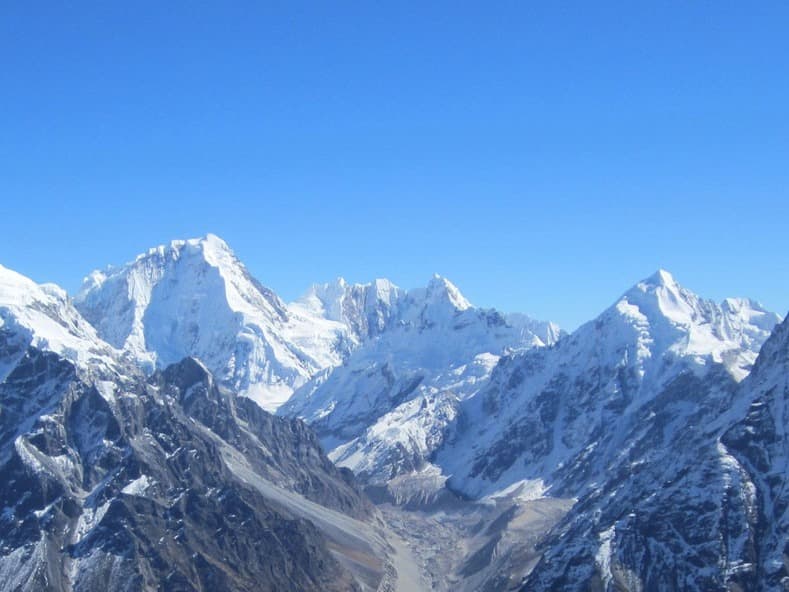
  • See close views of Lhotse, Nuptse, Ama Dablam, Makalu and Baruntse.
  • Walk through the Imja Valley and the Chhukung area.
  • Follow an itinerary with acclimatization days before reaching higher elevations.
  • Get full logistical support for accommodation, meals, guides and climbing arrangements.

Island Peak Climbing with EBC Trek Elevation Chart

About Island Peak Climbing with EBC Trek

Island Peak is the most admired trekking Peak to climb in the Everest region, which is also known as the Imja Tse. It is situated on the top of Chhukung Glacier at 6189m between the Lhotse and Ama Dablam Mountains.

It is a porch of Lhotse Shar divided by a small pass on the south ridge. Island Peak as a striking climbing peak in Nepal was introduced by Eric Shipton in 1952 AD. Due to its technicality and wonderful features, the climbers also prefer to climb this peak before setting out to climb the high Himalayan peaks like Mt. Everest. The views from the top of the Peak are Nuptse (7879m), Lhotse (8501m), Lhotse Middle Peak (8410m) and Lhotse Shar (8383m), Makalu (8475m), Baruntse and Amadablam along with Glaciers and Glacial Lakes. The climbing routes of the Island Peak are the south-east and south-west ridge, setting the camp at Pareshaya Gyab that lies between the Island Peak and Imja Glacier.

Island Peak Climbing with EBC Trek

The Island Peak climbing trip is combined with the exciting Everest Base Camp Trek. It is a special reward for the mountain climbers in Nepal that brings them close to the Himalayan ethnic Sherpa village, culture, customs, monasteries, Chhortens and alpine flora and fauna in the Sagarmatha National Park.

Trekking and Acclimatization Before Island Peak

The trek involves acclimatization days in Namche Bazaar and Dingboche before to the Island Peak climb. These are brief days, hiking to higher elevations, and then back to the same settlement for the nite.

The route also passes Everest Base Camp and Kala Patthar prior to Island Peak, so you get time at altitude before the climbing part. This is a vital aspect of the build-up to the 6,189m summit.

Island Peak Climbing Equipment

You use crampons on snow and ice, an ice axe for balance and self-arrest, and a harness with carabiners to attach yourself to the fixed rope. A jumar or ascender helps you move up steep sections, while a descender is used when moving down the fixed rope.

You also need a climbing helmet, mountaineering boots, warm gloves, goggles, and a headlamp for the early summit start.

Island Peak Climbing Permits

As the Island Peak climbing route crosses the Sagarmatha National Park and climbs a designated peak, it needs several permits. Climbers require Sagarmatha National Park Entry Permit, Khumbu Pasan and Island Peak climbing permission issued for the climbing season. The climbing permit fee varies with season.

Our team can take care of the paperwork and peak climbing permits for you prior to entering the Khumbu. This saves you the hassle of the permit process when you arrive in Nepal and allows you to focus on your trekking and climbing preparation.

Travel Insurance for Island Peak Climbing

Travel insurance is necessary for Island peak as it is a high altitude trekking and peak climbing expedition.  Your policy should cover walking up to an altitude of 6,189 meters, emergency medical treatment, helicopter evacuation and trip cancellation or interruption. 

Before obtaining your trip insurance for Nepal, examine the altitude restriction and the coverage for climbing.  A standard travel coverage will not cover climbing a 6,000-meter peak or a helicopter rescue from a remote mountain area.

Customizable Island Peak Climbing Itinerary

We can design our Island Peak climbing program to fit your travel dates, group size, and prior hiking experience.  If you choose to take additional time to acclimatize to the altitude before your summit attempt you can add extra acclimatization days. 

Also the schedule can be reshuffled according to your arrival and departure dates in Nepal.  Private parties can discuss their hiking route, rest days, hotel and climbing program with our team before the trip. 

Climbers who want more time in the Everest region might add extra days near Namche Bazaar, Dingboche or Island Peak Base Camp.  This can be handy for people who prefer a slower pace of Everest Base Camp and Island Peak trip or want some more acclimatisation days.

Who is Island Peak Climbing Suitable For?

Island Peak is a good choice for trekkers who want to move beyond regular high-altitude trekking and try Himalayan peak climbing. You do not need to be an experienced mountaineer, but you should be comfortable with long trekking days and steep uphill sections.

Previous trekking experience is helpful, especially if you have already walked above 4,000 meters. Basic fitness also matters because the Island Peak summit climb includes snow, ice, glacier terrain and a long summit day. You should also be prepared to use climbing equipment such as crampons, a harness, ropes and an ice axe.

The trek can suit first-time peak climbers who have good fitness and follow the climbing team's instructions. However, it is not the right choice for someone looking for an easy Everest Base Camp trek.

Island Peak Climbing with Good Vibe Adventure

For the overall arrangement of the Island Peak Climbing schedules, the Good Vibe Adventure Company offers the best services for clients' successful and memorable trip. We are aware of the high altitude sickness, climbing routes, climbers' physical fitness, Hygienic foods and highly experienced guides that we offer to our climbing members. Camp and Lodge accommodations will be provided during the Island Peak Climbing trip.
Related Peak Climbing Packages:

Detail Itinerary

Cost Details

Cost Includes

Transport

  • All Airport and Hotel transfers with private vehicles.
  •  Both way (Round Trip) flight fare KTM – Lukla – KTM and domestic airport taxes in Kathmandu and Lukla.
  • Drop and pick up to Nepali restaurant.

  Accommodations:


  •  Everest Base Camp Trekking: Best lodge Accommodation during treks on twin-sharing basis room and camp/tent in the Island Peek base camp(twin sharing).

Meals:

There are multiple selections of meal items in Everest region trekking. But, it can be basic and may not have choices in menu some of the rest places.

  •  Breakfast: includes full trip.
  •  Lunch: During the trek
  •  Dinner: During the trek

Guide and Porter

  • Experienced Government-licensed English-speaking Climbing Guide Sherpa during the Island Peak trip.
  •  1 Sherpa porter for 2 trekkers in mountain.

Trekking Package:

  • Best Lodge Accommodations Mountain , all meals during trekking, all necessary staff with the experienced leader (guide) and Sherpa porters to carry luggage (2 trekkers: 1 porter) including their salary, insurance, equipment, flight, food and lodging.

Taxes and Entrance Fees:

  •   All the applicable service charges, government taxes, all necessary paperwork and permits (National park permit, TIMS card, permit for Island Peak and Khumbu Pashang Lhamu Rural Municipality fees).

 Others

  • Good Vibe Adventure’s  Down Jacket, sleeping bag and trekking map (down jacket and sleeping bag are to be returned after trip completion).
  • Arrangement of Emergency Helicopter service which will be paid by your Travel insurance company.
  • Exclusive Medical Kit Bag.
  • Good Vibe Adventure offers you Farewell Dinner on last night.

Cost Excludes

  • International airfare.
  • Nepal Visa fee (bring accurate USD cash and two passport photographs).
  • Travel and rescue insurance (necessary).
  • Lunch and Dinner while you are in Kathmandu & Pokhara city.
  • Personal expenses (phone calls, internet, laundry, bar bills, bottle or boiled water & Hot Drinks Tea and Coffee, Hot Shower, Batteries charge, Heater during the Trek and Sweet things like desert).
  • Extra night accommodation and meals if early departure from mountain.
  • Tips for the guide, porter. (Tipping is voluntary).
  • Any others expenses which are not mentioned on including section.

Dates & Availability

  • 27th Aug 2026From Kathmandu
    11th Sep 2026To Kathmandu
    guaranteed 2 Left
    US $1900Per person
  • 10th Sep 2026From Kathmandu
    25th Sep 2026To Kathmandu
    guaranteed 2 Left
    US $1900Per person
  • 19th Sep 2026From Kathmandu
    4th Oct 2026To Kathmandu
    guaranteed 2 Left
    US $1900Per person
  • 23rd Sep 2026From Kathmandu
    8th Oct 2026To Kathmandu
    guaranteed 2 Left
    US $1900Per person
  • 6th Sep 2026From Kathmandu
    21st Sep 2026To Kathmandu
    guaranteed 2 Left
    US $1900Per person
  • 1st Oct 2026From Kathmandu
    16th Oct 2026To Kathmandu
    guaranteed 2 Left
    US $1900Per person
  • 10th Oct 2026From Kathmandu
    25th Oct 2026To Kathmandu
    guaranteed 2 Left
    US $1900Per person
  • 15th Oct 2026From Kathmandu
    30th Oct 2026To Kathmandu
    guaranteed 2 Left
    US $1900Per person
  • 19th Oct 2026From Kathmandu
    3rd Nov 2026To Kathmandu
    guaranteed 2 Left
    US $1900Per person
  • 29th Oct 2026From Kathmandu
    13th Nov 2026To Kathmandu
    guaranteed 2 Left
    US $1900Per person
  • 1st Nov 2026From Kathmandu
    16th Nov 2026To Kathmandu
    guaranteed 2 Left
    US $1900Per person
  • 5th Nov 2026From Kathmandu
    20th Nov 2026To Kathmandu
    guaranteed 2 Left
    US $1900Per person

Good to Know

Transportation

The trek starts with a flight from Kathmandu to Lukla (2,860 m). From Lukla, you walk to Phakding and continue through the Everest and Island Peak route. After finishing the trek, you walk back to Lukla and take a 35-minute flight to Kathmandu.

Food on Island Peak with EBC Trek

Food on the Island Peak with EBC Trek is meant to give you energy for long walking days and summit climb. In the teahouse section, you get 3 meals per day. Breakfast might be eggs, porridge, Tibetan bread, pancakes, toast and tea or coffee. Lunch and dinner are heavy meals and consist of a variety of dishes such as dal bhat, rice, noodles, pasta, potatoes, soups, vegetables, momos and eggs.

Meals are prepared at Island Peak Base Camp by a trained cook with the assistance of the climbing team. The menu focuses on carbohydrates, protein, vegetables and warm foods to support the climb. Common choices include rice, pasta, potatoes, lentils, eggs, vegetables, soup and other easily digestible foods. Hot tea, coffee and soup keep you warm too at camp.

Bring your own high energy snacks for summit day. Chocolate, energy bars, nuts, dried fruits, biscuits and other light-weight snacks work well on the long way up. It’s important to drink enough water since you’ll be at high altitude for many hours.

Accommodation on Island Peak with EBC Trek

For most of the EBC section you stay in mountain teahouses and lodges. Normally the rooms are furnished with twin beds, mattresses, pillows and blankets. Higher level rooms are basic and bathrooms are often communal. You may also have to pay extra for hot showers, wi-fi and charging.

The lodging changes to a tent camp at Island Peak Base Camp. The climbing team pitched tents, complete with mattresses, sleeping bags and camping gear. You generally share a tent with another member of the group, not have a tent to yourself.

There is a separate dining tent where the team eats and rests before the summit climb. The toilet facilities at base camp are basic, a temporary camp toilet rather than a normal bathroom. The climbing camp is not equipped with regular hotel facilities like hot showers, private bathrooms or Wi-Fi.

Most Difficult Sections of Island Peak with EBC Trek

  • Dingboche to Lobuche (4,410 m to 4,910 m): The trail enters a dry, rocky landscape with fewer trees. The higher altitude makes breathing harder, especially on the uphill sections toward Lobuche.
  • Lobuche to Gorakshep and Everest Base Camp (4,910 m to 5,364 m): The trail follows rocky ground toward the Khumbu Glacier. The long walking distance and high altitude make this a demanding day.
  • Lobuche to Chhukung via Kongma La Pass (4,940 m to 5,535 m): This is one of the hardest trekking sections before the Island Peak climb. The route crosses the Kongma La Pass, with steep climbs, loose rocks, and snow in some seasons.
  • Island Peak Base Camp to High Camp (5,087 m to around 5,600 m): The trail becomes steeper as you leave base camp. You climb over rocky and uneven ground toward High Camp while carrying your climbing gear.
  • High Camp to Island Peak Summit (around 5,600 m to 6,189 m): This is the hardest part of the entire trip. The summit day can take around 10 to 12 hours. You climb steep snow and ice, use fixed ropes on technical sections, and deal with cold temperatures and very thin air.

Altitude Sickness on Island Peak with EBC Trek

Altitude sickness is a real concern on the Island Peak with EBC Trek because the route reaches 6,189 meters. Your body needs time to adjust as you move from Lukla at 2,860 meters toward Everest Base Camp and Island Peak. The risk becomes higher above 3,000 meters, especially when you gain elevation quickly.

Common Symptoms of Altitude Sickness

Mild altitude sickness can start with symptoms that may seem like normal trekking fatigue. Watch for:

  • Headache
  • Loss of appetite
  • Nausea or vomiting
  • Dizziness
  • Unusual tiredness
  • Difficulty sleeping
  • Shortness of breath during activity

How to Prevent Altitude Sickness?

  • Include acclimatisation days: The itinerary has rest days around Namche Bazaar and Dingboche for your body to acclimatise.
  • Climb gently. Avoid climbing too steeply, particularly above 3,000m.
  • Drink lots of water. Dehydration can worsen headaches and fatigue.
  • Eat right: Have regular meals with carbohydrates, protein, vegetables and enough calories for the long walking days.
  • Avoid alcohol and smoking- both can make it harder for your body to cope with high altitude
  • Sleep at the altitude you desire: Don’t forget the acclimatisation schedule to get more distance in a day.
  • Tell your guide about your symptoms: Don’t hide a headache, nausea, dizziness or unusual weakness because you believe it will slow the group down.

What to do if Symptoms get Worse?

Do not continue climbing if altitude sickness symptoms are getting worse. Stop ascending and inform your guide immediately. Mild symptoms may improve with rest and acclimatization, but serious symptoms require immediate descent to a lower altitude. On Island Peak, your climbing guide and support team should make the decision about whether you are fit to continue toward High Camp or the summit.

Best Trekking Season for Island Peak with EBC Trek

The best time to do Island Peak with EBC Trek is October to mid-November. The second best time is April to May. Most stable weather, clearest skies, best mountain visibility and firmest snow on the summit is generally found in Autumn. Spring brings warmer daytime temperatures and longer daylight, helpful for the long summit day.

The summit push for Island Peak is normally done very early in the morning, between 1:00AM and 4:00AM depending on the climbing plan, weather and conditions. The goal is to set out for the higher technical sections early and to summit before the afternoon weather and the stronger winds arrive.

The monsoon months (June to August) are bad for climbing, due to rain, cloud, fresh snow and unstable mountain conditions. The cold gets worse and the wind blows stronger from December to February, making the summit much harder.

Communication and Electricity on Island Peak 
Climbing

You can get mobile network and Wi-Fi in villages such as Namche Bazaar, Dingboche, and Lobuche, but the connection becomes less dependable as you move toward Everest Base Camp and Island Peak. Teahouses generally have charging points, though they may charge extra for using them.

At Island Peak Base Camp, you should not rely on Wi-Fi, mobile signal, or charging facilities. Charge your devices at the last available teahouse and carry a fully charged power bank for the camping and summit section. Keep your phone and camera batteries protected from the cold, as low temperatures can drain them quickly.

Booking and Payment Procedure

To confirm your Island Peak with EBC Trek, you need to pay 20% of the total trip cost in advance. Send your passport copy and flight details along with the booking confirmation. The remaining 80% can be paid after you arrive in Nepal.

You can pay the advance amount by credit card or bank transfer from your home country. The remaining balance can be paid in cash after your arrival in Nepal.

FAQS