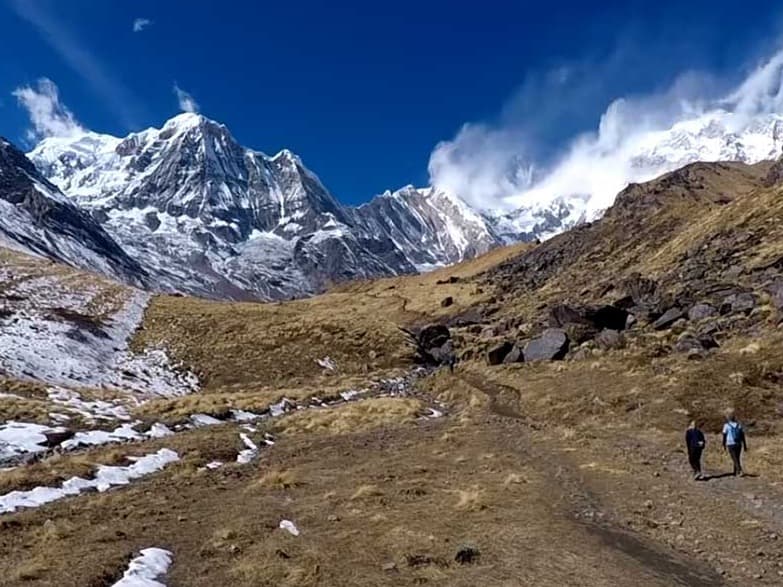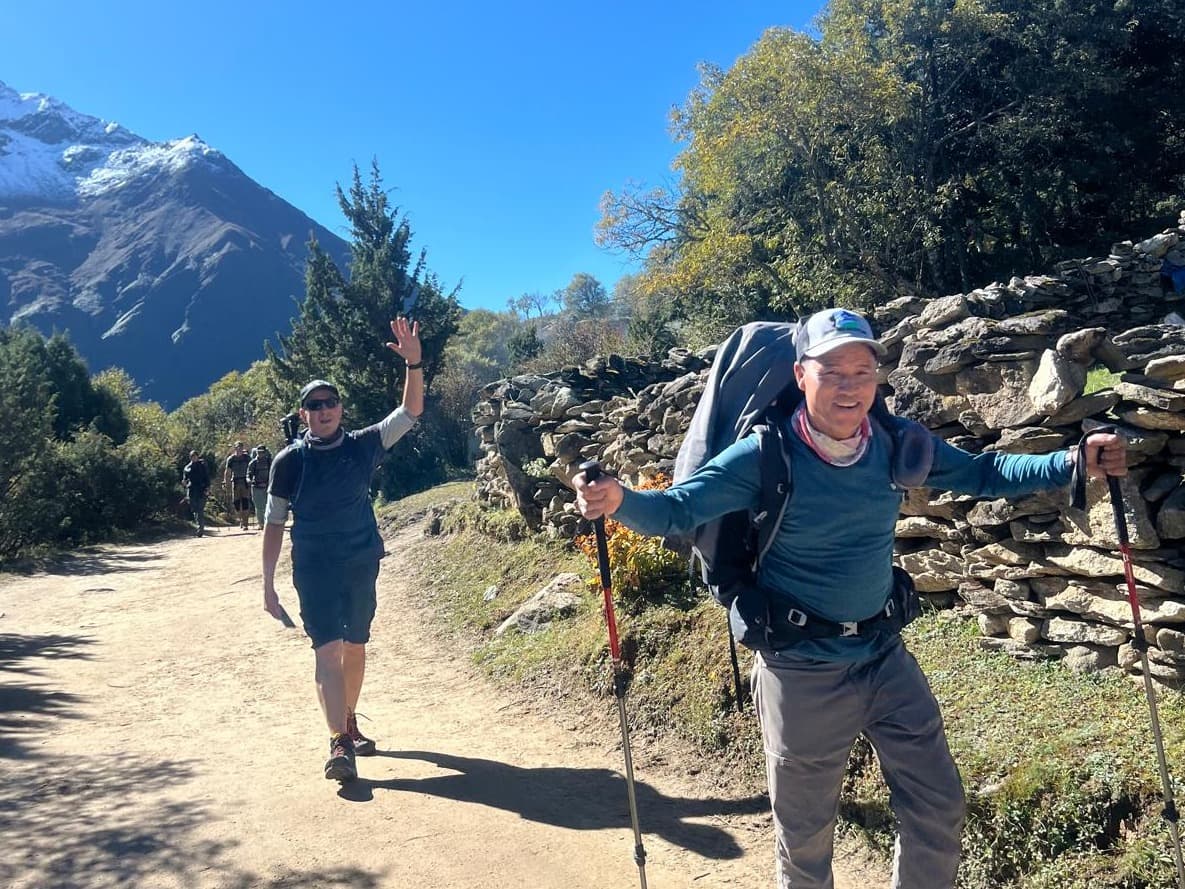

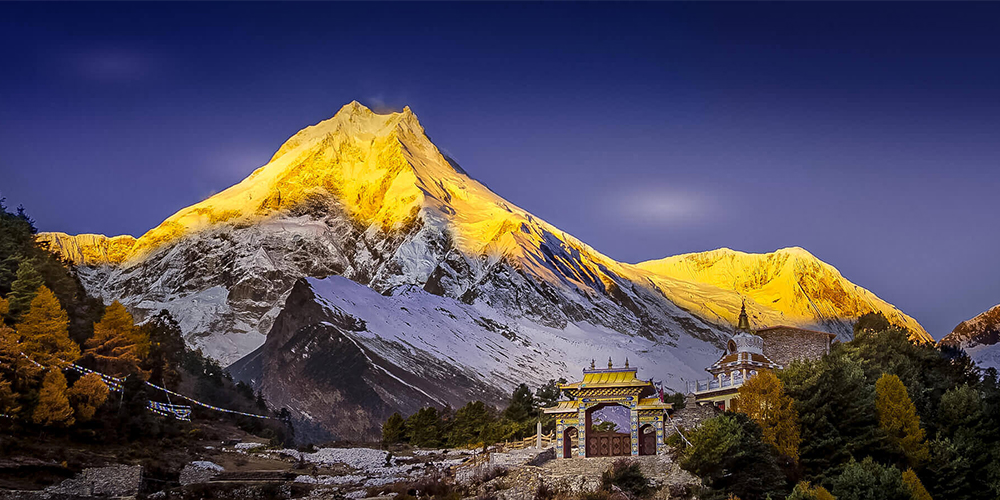
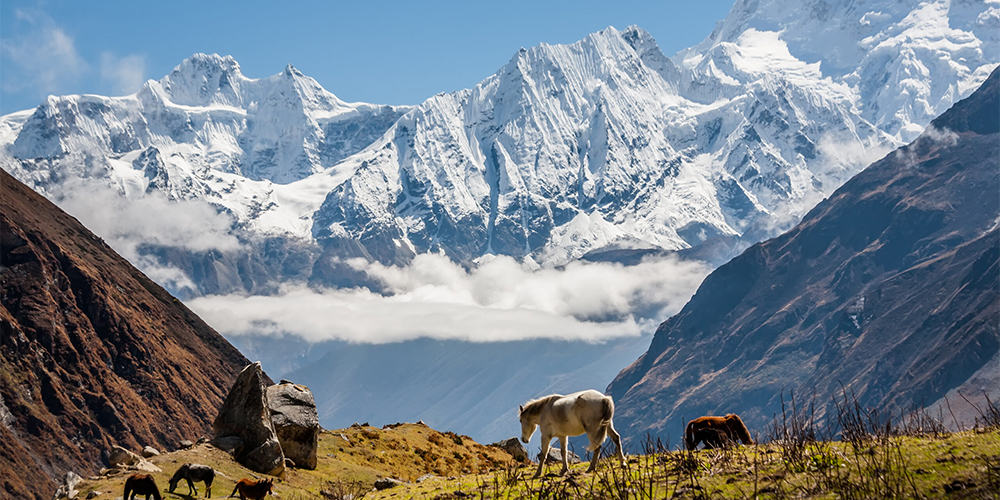
Found in the most remote part of the Gandaki Province of Nepal, the Manaslu Circuit Trek is that unforeseen trekking legend everyone must speak of yet few venture to explore. It is as silent as the genius of Himalayan journeys: breathtaking, rocky, wildly beautiful, and an adventure among the truest mountaintops in the world.
When you are after dramatic sceneries, villages off the road, mind-blowing mountain scenery, and challenges that can become lifetime experiences this hike is your next flex.
Before getting into this journey to the Himalayas, here are the things that you should know.
What Is the Manaslu Circuit Trek?
The Manaslu Circuit is an extended hiking path that entirely encloses Mount Manaslu the eighth most elevated mountain in the globe standing at 8, 163 meters.
And it is not crowded like the Everest or the Annapurna treks, it remains primitive, open and untamed so that trekkers wish to have a serious mountain experience without the Everest-trail crowds.
Basic Trek details:
The following is the lowdown before we go into details:
Distance: Overall distance of about 170-200km based on route and variations.
Time: On average, 12-18 days in the field.
Peak: Larkya La Pass (5,106 -5,160 m) - the most challenging challenge and the greatest payoff.
Right down the river, through woods, to high alpine glaciers and ridge crests.
Start/Finish: Majority of the itineraries start at Soti Khola / Machha Khola and finish around Dharapani / Besisahar after the descent of the circuit.
Translation: It is no mere looping of a mountain... it even smacks you with a complete Himalayan experience.
Why It Is Secret (and Why That Is Really Cool)?
The Manaslu Circuit is not a 'turn up and walk' sort of path. Officially it is a restricted territory, in contrast with the Everest Base Camp or Annapurna Circuit trips. And that has its own regulations. You need special permits. You must hike along with an authorized guide. Solo trekking is prohibited, at least you need to be in a group of two people.
On the surface of that may appear restrictive. Extra paperwork. Extra planning. Less freedom. However, there is a twist to it and that is the same rules that make Manaslu still feel raw, authentic, and untouched.
There will be no overcrowded teahouses, traffic jams on suspension bridges or passionate queues in search of the ideal Instagram picture. The trail remains peaceful. The villages are not commercialized, and this makes them genuine. The culture is not packaged but maintained. You do not walk along a trekking highway, but a living Himalayan scenery.
The permit system has also been well-known to protect the weak ecosystem and assist the local communities in a more sustainable manner. Fewer trekkers will result in climate pressure, as well as a deeper engagement with the region.
Whereas most renowned places of sightseeing are flooded and hyper filtered, Manaslu is a secret sequel of the Himalayas - a place one needs to work hard to get to instead of a place somebody eats. It's not mainstream. It's not chaotic. It is unique in the most desirable manner.
Here's the permit rundown:
Manaslu Restricted Area Permit (RAP) - needed to do the entire circuit.
Manaslu Conservation Area Permit (MCAP) -eco zone.
Annapurna Conservation Area Permit (ACAP) Since the exit leads to Annapurna region.
TIMS Card - not always mandatory, route and regulations.
The treks are generally organized by a licensed trekking firm. This ensures that all is above board and it becomes easy when rangers request to view them.
Typical Trekking Itinerary
All guides will customize this according to the speed and the weather conditions though here is a classic 14-day adventure that most trekkers will use:
Day 1: Kathmandu- Machha Khola/ Soti Khola.
Long drive. Bumpy roads, big views and the initial Holy crap we are doing this sensation are expected.
Day 2-5: Machha Khola - Jagat -Deng - Namrung.
Less elevated valleys, bridges on suspension, streams, terraced fields. You are still on your trekking groove, yet the altitude is sneaking up.
Days 6-7: Namrung - Lho - Samagaon
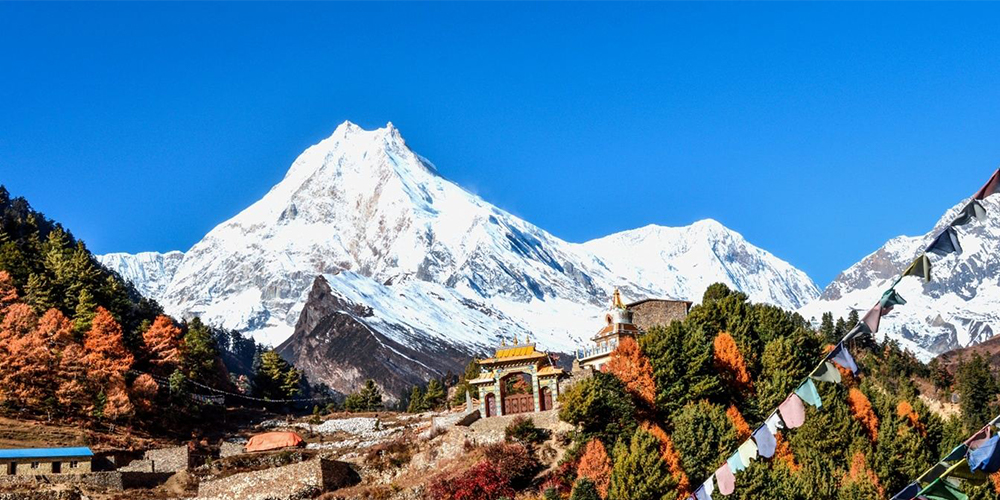
The Himalayas are now beginning to take control of the skyline. Villages are older and more rural and much more picturesque.
Day 8: Acclimatization in Samagaon.
Rest day (compulsory) = sightseeing in points of view, monasteries, lakes or simply taking a rest with dal bhat. Best phone call you will make on the run.
Day 9: Samagaon - Samdo
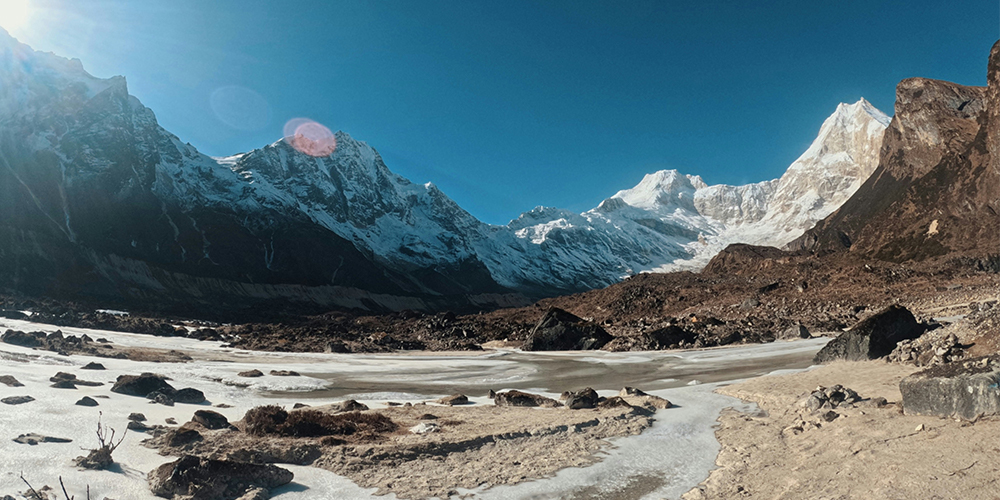
This is the place where you start going up into more difficult country. Snows and cold winds are the order of the day.
Day 10: Dharamsala on the way of Samdo to Dharamsala (Larke Phedi).
You're now above 4,000m. Hotels get scarcer. Views get insane. They may want to increase the salary of your lungs.
Day 11: Larkya La Pass - Bhimtang
This is it -- the big one. Early (before change of weather) Cross Larkya La Pass and enjoy those Himalayan panorama views that not everyone has earned.
Day 12-14: Bhimtang -Tilije -Dharapani-Kathmandu.
You are heading south to north and falling in altitude and consideration of oxygen canisters. Trek finishes with a long drive back home Kathmandu or further adventure.
When to Go (Seasons):
Timing: World of difference.
Autumn (Sept-Nov)
This is THE season. Clarity, no turbulence, and mountain top views. Trails are congested and controllable.
Spring (Mar-May)
The bloom of rhododendrons, warm weather and clear sightseeing. Moonlight hazes a little in the afternoons; however, it is still magnificent.
Winter (Dec-Feb)
Possible, but brutal. Larkya La can be blocked by a lot of snow and numerous teahouses. Only for hardcore trekkers.
Monsoon (Jun-Aug)
Rainy, muddy, slippery. Not advisable though in higher altitudes there might be drier sections owing to rain shadows.
Difficulty & What to Expect
Manaslu Circuit is not as easy as the Everest Base Camp and is not as cold as Annapurna Circuit. It is not that easy to difficult: particularly since:
You are going high--way over 5,000m at Larkya La.
There are long days (7-8 hours strolling with ease).
The higher you go the less tea houses there are.
Weather and altitude may strike you without any notice.
Pro tip: You must always keep hydrated, should take it slow on the acclimatization days and should not hurry Larkya La. It's a marathon, not a sprint.
Food & Accommodation
As opposed to complete camping expeditions, Manaslu Circuit uses tea houses and lodges; that is,
Basic shared bathroom rooms.
Some common foods: dal bhat (Nepal power meal), noodles, soups, momos, eggs, tea.
Hot showers? Occupy, sometimes at an additional charge.
There are less Wi-Fi and electricity up the mountain. Bring power banks.
Besiege local people - they enrich the whole experience.
Top Highlights You Can't Miss
Larkya La Pass Views
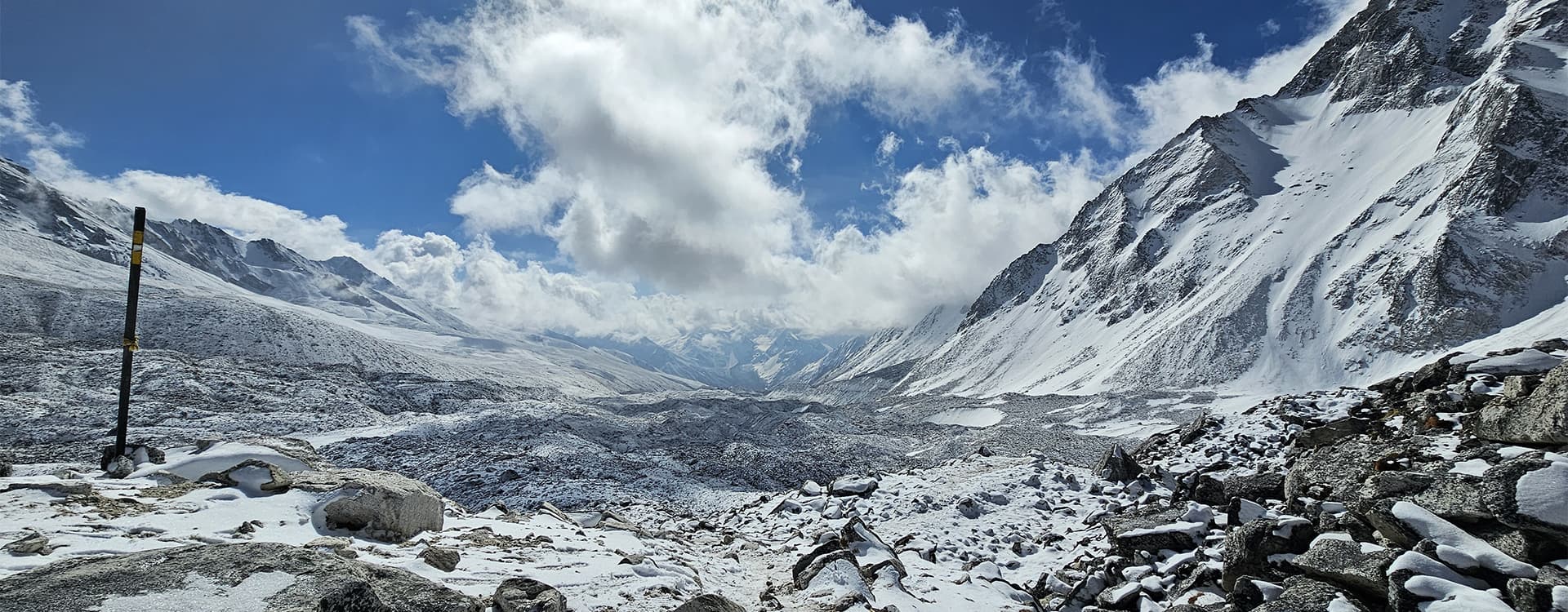
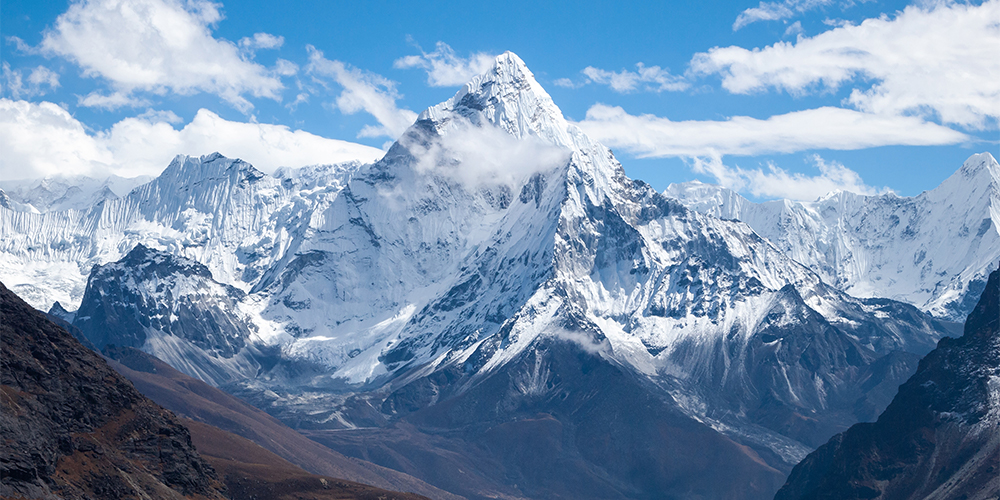
The final point of the expedition is passing the Larkya La Pass (5,160m) which is not a simple checkpoint by any chance. It's the reward. North of it stand huge giants of the Himalayas such as Himlung, Cheo Himal, Kang Guru and Annapurna II. Endless snow-covered mountains, glaciers seen below, and unreal-like valleys all appear to be paintings. The hardest thing to do is to get there, but the view. Absolutely worth every step.
Conventional High-Altitude Villages.
There are such villages as Samagaon, Samdo, and Lho which are the other dimension. Life moves slowly here. The batteries of prayer wheels are turning, monasteries rest in the mountains, and the way of life in Tibet is influenced by the Tibetan Buddhist rituals. It is uningrained, authentic, cultural immersion and not the fake tourism.
Diverse Landscapes
One trek, multiple worlds. It is created in plush river valleys and sub-tropical woodland and transitions through pine woods and alpine discourses ending in dramatic high mountain shifts. The scenery keeps evolving.
Wildlife & Nature
Have your eyes in the clouds: You may see Himalayan tahr, blue sheep, pika and a snow leopard, if fortunate favours you, may be seen better.
Packing Essentials
The Manaslu Circuit is not the location where one is supposed to stuff cute and cross fingers. Status alters quickly, everything is rudimentary and when you get up the mountain, there is no fast-fix shopping solution. Pack smart. The following is what you really require:
Warm Layers
It gets very chilly up towards the higher altitudes, particularly in the mornings and evenings. Reef thermal base layers and a fleece and down jack and waterproof overlay. Layering is key -- not optional.
Sleeping Bag
Having your own tea house is expected in many teahouses. The night can get down to well below freezing and therefore bring a sleeping bag that is suitable to below zero temperature.
Trekking Boots + Poles
Trekking boots of good quality, worn in cannot be compromised. Poles will aid in the pressure avoidance of your knees, particularly when climbing down long slopes.
Assault case Hydration Water purification.
Bring a reusable water / hydration bladder. Include purification pills or filter - bottled water would be costly and would result in wastage.
Sunscreen + Lip Balm
The sun is different when it is up high. The rate of UV is high and dry air will devastate your lips unless you are using some.
Power Bank + Chargers
Power is scarce and it is frequently charged. A power bank charges into the life of your phone, camera and headlamp when they are of low capacity.
First Aid + Altitude Drugs.
Essential ones are simple medicines, blister care, pain relievers and prescribed altitude meds. Safety first, ego later.
Cash
ATMs are extremely limited. Also carry sufficient Nepali cash to check your food, charging, Wi-Fi and other slight costs in between.