

Three High Passes Trekking

5/5 from 0 reviews
  • DestinationNepal
  • Durations17 days
  • Trip DifficultyDemanding+Challenging
  • ActivitiesTour and Trekking
  • AccommodationLodge Trek
  • MealsBreakfast Lunch Dinner(BLD)
  • Mx.altitude5555m.
  • VehiclePrivate vehicle and Flight
  • Group SizeMin. 1 Pax
  • Start fromKathmandu
  • End atKathmandu

Highlights

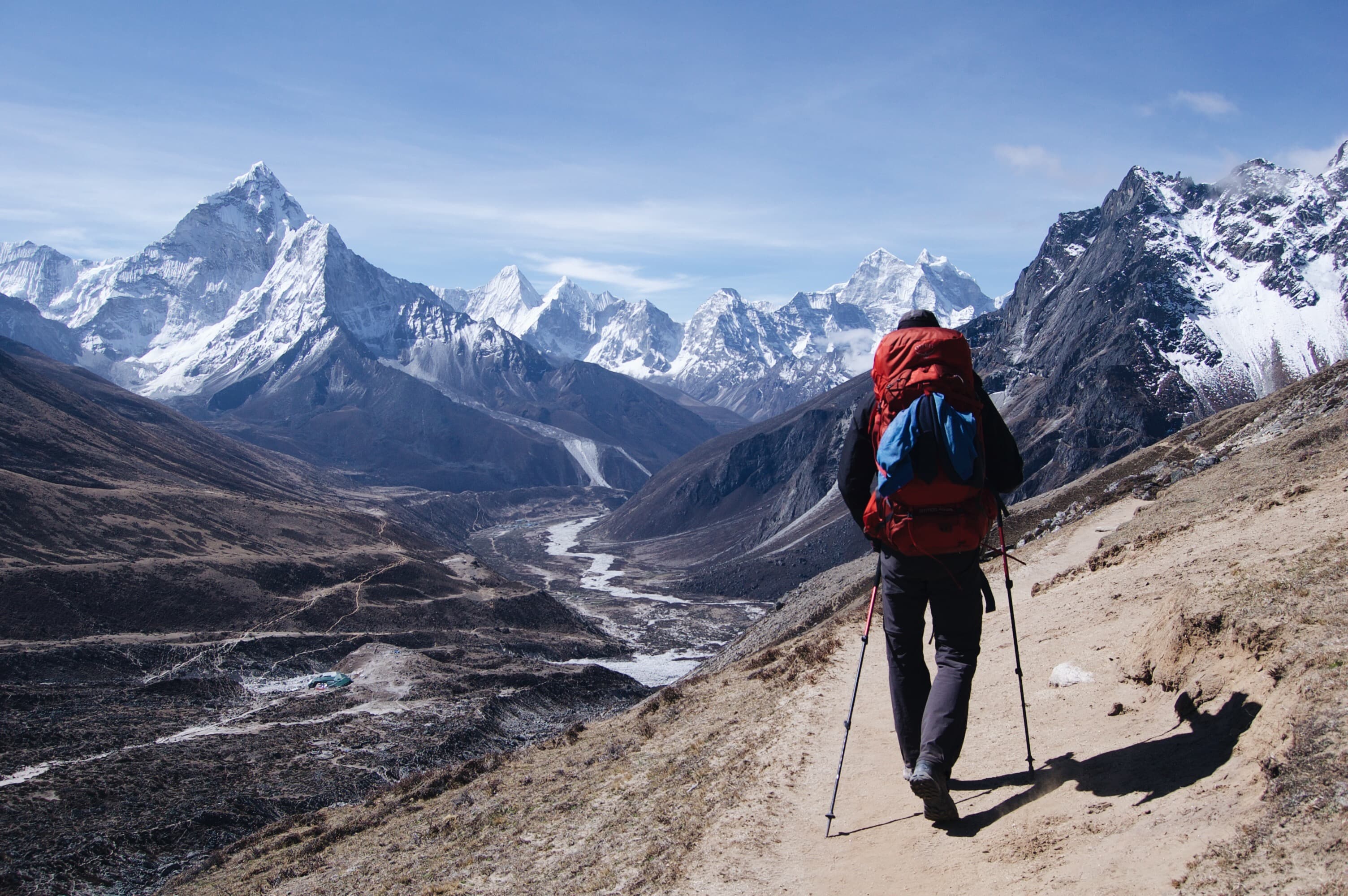
  • Climb Kongma La (5,545 m), Cho La (5,420 m), & Renjo La (5,370 m) Pass.
  • Walk all the way to Everest Base Camp (5,364 m).
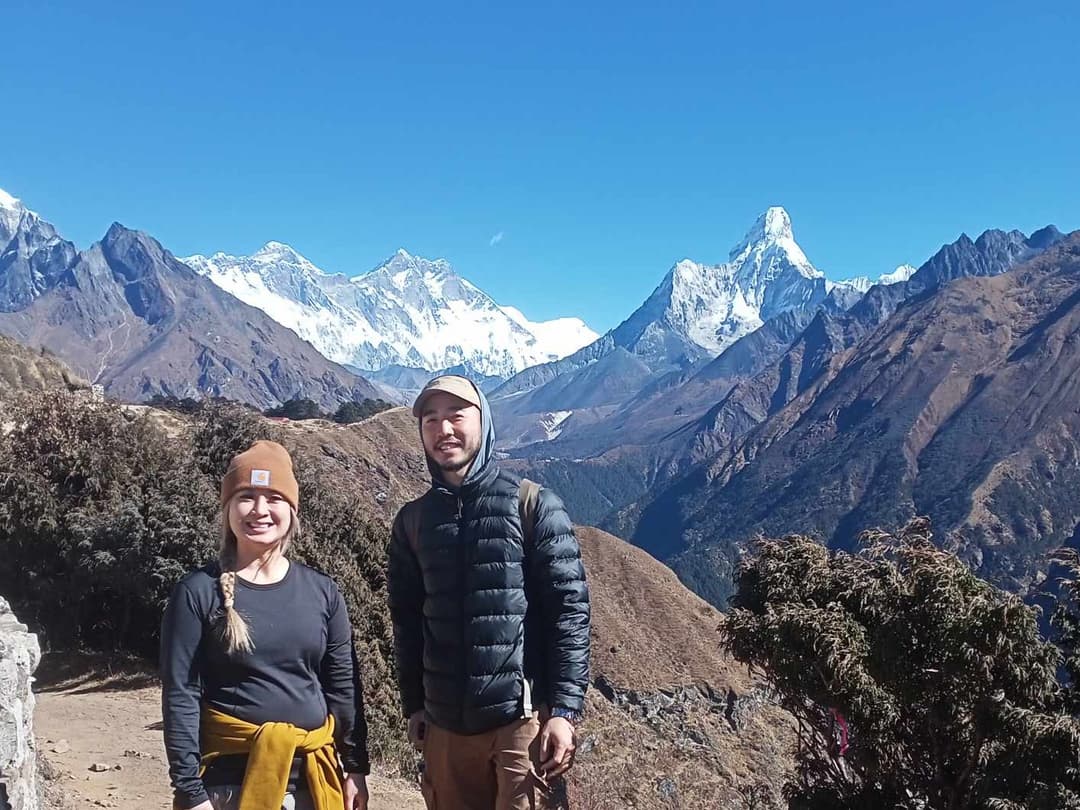
  • One of the best views of Mt. Everest & the other surrounding peaks from the Kala Patthar (5,545 m).
  • Pass through Sherpa villages like Namche Bazaar, Dingboche, Gokyo, & Thame.
  • Visit Tengboche Monastery & walk beneath fluttering prayer flags.
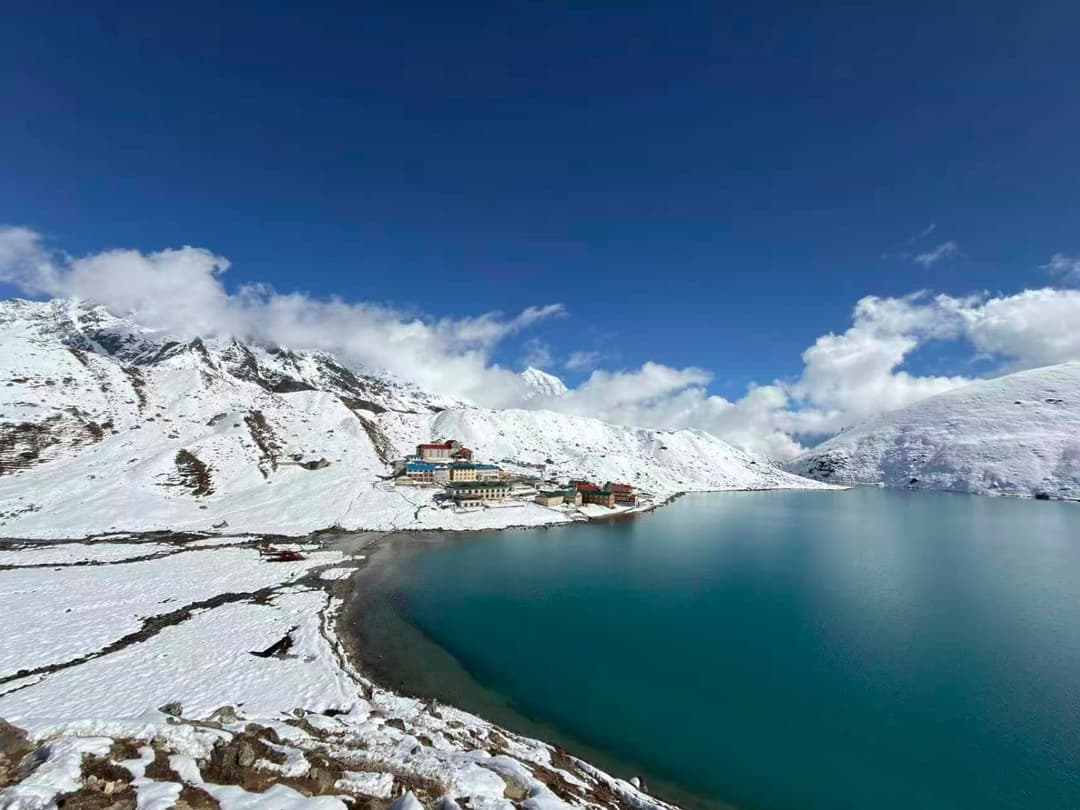
  • The route takes in the turquoise Gokyo Lakes before the climb to Gokyo Ri.
  • Trek inside Sagarmatha National Park, a UNESCO World Heritage Site in the Khumbu region.
  • Cross forests, glaciers, & rugged mountains pass in a single trek.
  • Walk across the massive Ngozumpa Glacier, the longest glacier in the Khumbu region.
  • Witness amazing views of Everest, Lhotse, Ama Dablam, Makalu, Cho Oyu, & many more.

Three High Passes Trekking Elevation Chart

About Three High Passes Trekking

The Everest Three Passes Trek is not the trek most people start with. It is for those who want to see more than just Everest Base Camp & don't mind putting in the extra effort to get there.

The trail takes you across three high passes: Kongma La, Cho La, and Renjo La. Between them, you move through the Everest Base Camp route, the quiet Gokyo Valley, and villages where Sherpa culture is still part of everyday life. The days are longer, the climbs are tougher, and the altitude is higher. But the reward is seeing parts of Khumbu that many trekkers never reach. 

If the Everest Three Passes Trek has been on your list, now is the time to make it happen. Book with us & take home not just photos, but shared laughs on the trail, new friendships, & memories you will be talking about for years. 

Quick Facts About the Everest Three Pass Trek 

Let.s get a short overview of this trek. The Everest Three Pass Trek is for trekkers who want more adventure than just Everest Base Camp. The route crosses Kongma La (5,545 m), Cho La (5,420 m), & Renjo La (5,370 m) while linking the Everest Base Camp trail with the Gokyo Valley.

Most itineraries take 18 to 22 days. During the trek, you will visit Everest Base Camp, Kala Patthar, Gokyo Lakes, Gokyo Ri, & Sherpa villages like Namche Bazaar, Dingboche, Gokyo, & Thame. The trail also passes through Sagarmatha National Park & crosses the Ngozumpa Glacier, the longest glacier in the Khumbu region.

This is a longer route with just a few repeated sections. Rather than returning the same way, it forms a complete loop through different parts of the Khumbu region. 

Everest Three Passes Trek Packages

There is not a single way of comfort for your three passes trek journey. Every person has their own comfort.That's why we have different Everest Three Passes Trek packages to choose from. 

Standard Package
This package covers everything needed for the trek without adding extra luxury. It includes a guide, porter, teahouse accommodation, meals during the trek, permits, & transportation. It is a good choice if you want to keep things simple & focus on the trail.

Luxury Package
This is for trekkers who want the highest level of comfort before, during, & after the trek. It includes premium accommodation, extra services, & more flexibility, while still following the same Everest Three Passes Trek route. If you are looking for a more comfortable Everest experience, you can also consider our Luxury Everest Base Camp Trek,

Custom Packages

You can adjust the itinerary, add extra acclimatization or rest days, upgrade services, or combine the Everest Three Passes Trek with other trips in Nepal. It is a good choice if you want the trek planned around your own schedule & preferences.

How Much does Three Passes Trek Cost in 2026/27?

For 2026/27, you might spend around USD 1,500 to USD 2,800 per person for Everest Three Pass Trek. But here's a thing. Someone choosing a basic trekking setup will pay less, but a traveler looking for extra will need a higher budget. The cost mainly comes from your daily trail needs like accommodation, food, guide and porter support, permits, and transport.

What can the Travelers Expect From Three Passes Trek in Nepal?

Sherpa Villages & Local People

You will cross several sherpa villages along the Everest Three Passes route. Each village feels different. Namche Bazar is the busiest village you will pass through on the trail. You will acclimatize here for a day before moving higher into the Everest region. During this time, you can walk around the market area, explore local stores, and watch trekkers, guides, and porters preparing for the next part of the route. guides, and porters get ready for the next part of the trek. 

Later, the route passes quieter villages like Dingboche, Gokyo, and Thame. You will see stone houses, yak sheds, and locals going about their daily work. On the way, you may notice children watching trekkers from their homes, smiling, waving, and sometimes hiding behind a doorway or stone wall.

Sherpa Culture & Traditions

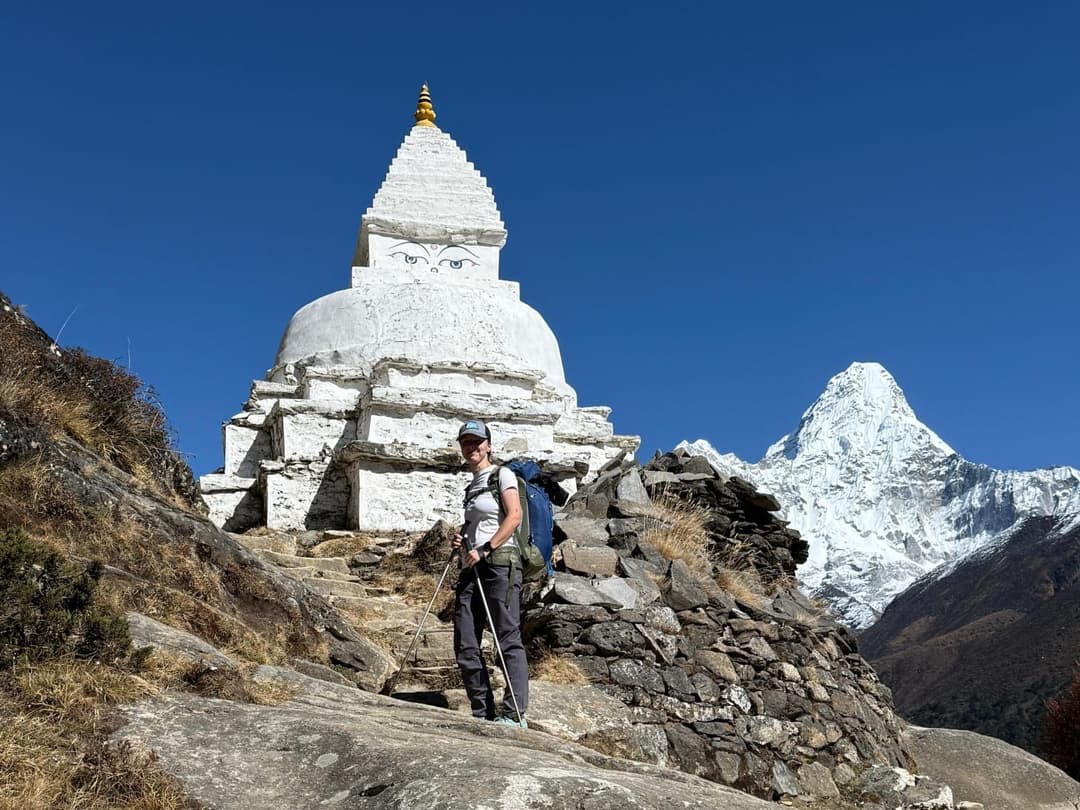
Throughout your trek, you will see how the  Sherpa culture is connected with the mountains & Buddhism. As you walk through villages like Namche Bazaar, Tengboche, Dingboche, Gokyo, & Thame, you will notice prayer flags moving in the mountain wind, mani walls covered with carved prayers, & chortens standing along the trails.

You will often pass locals spinning prayer wheels, carrying traditional baskets, or walking around monasteries for prayers. At Tengboche Monastery, you can see monks following their daily rituals, & if you visit during prayer time, the sound of chanting & traditional instruments fills the monastery.

The Trail

One thing you will notice during the Everest Three Passes Trek is that the trail feels so different. The first few days are greener, with forests, rivers, waterfalls, & small villages. You will walk through rhododendron & pine forests, cross suspension bridges hanging above the Dudh Koshi River, & climb hundreds of stone steps.

As you move higher, you barely see trees. The green hills turn into rocky landscapes, wide valleys, & snowy mountains all around you. One morning you might be walking through a forest, & a few days later you are standing beside a glacier. The change happens slowly, but when you look back, you realise how different the landscape has become.

Simple Teahouse Moments

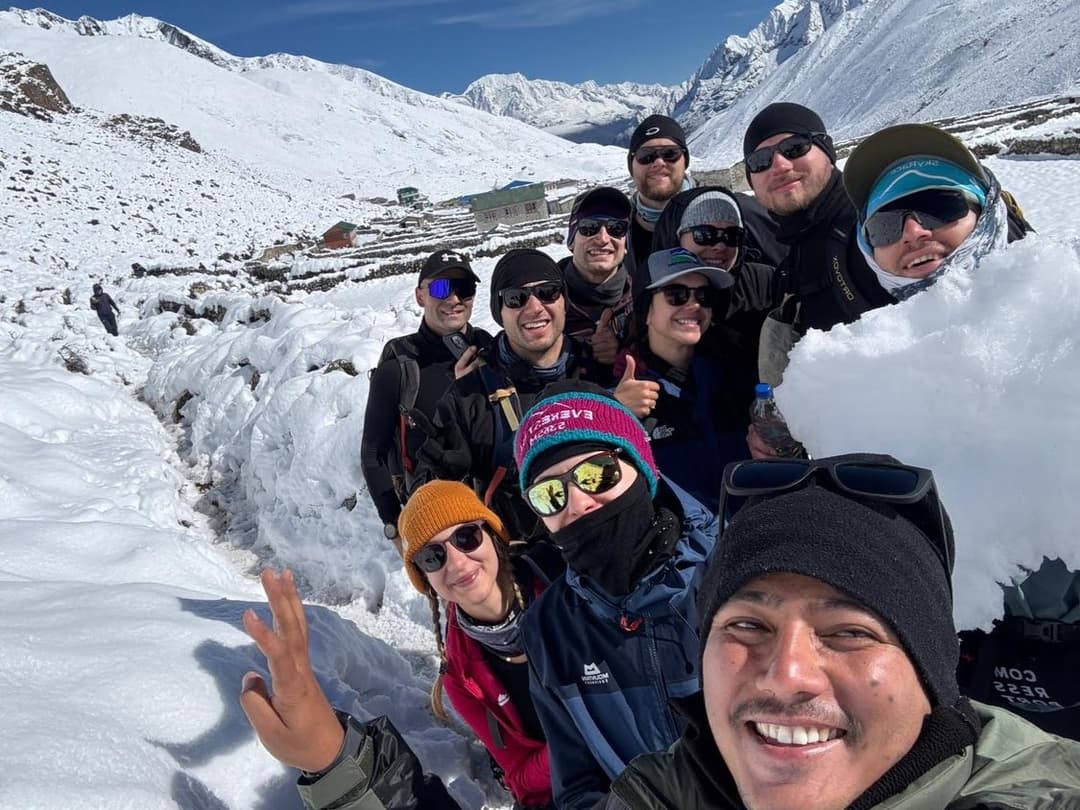
After walking for hours, a small teahouse feels like a luxury. You will sit around the dining table with trekkers from different countries, share stories about the day's walk, & warm yourself near the stove. A simple plate of dal bhat, a bowl of hot soup, or a cup of tea feels different when you are surrounded by mountains.

Some of the best memories are not always from viewpoints. Sometimes it is drinking tea outside a teahouse in Dingboche while watching the sun hit Ama Dablam, or waking up early in Gokyo & seeing the mountains reflected on the lake.

The Feeling of Standing Above 5,000 Meters

The three passes are where the trek starts to feel completely different. Crossing Kongma La, Cho La, & Renjo La is not just about reaching the top & taking a photo. The climb can be slow, the air feels thinner, & every step takes more effort.

But once you reach the top, you get views that are hard to explain. Mountains stretch in every direction, with peaks like Everest, Lhotse, Makalu, Cho Oyu, & Ama Dablam standing around you. For many trekkers, these moments are the reason they chose this route in the first place.

Who is the Everest Three Passes Trek suitable for?

The Everest Three Passes Trek is best for trekkers who already have some high-altitude trekking experience. You don't need to be a professional climber, but you should be comfortable with long walking days, steep climbs, & rough mountain trails.

This trek suits people who want more than the usual Everest Base Camp route. If you enjoy challenging yourself, walking through remote valleys, crossing high mountain passes, & spending more time in the Khumbu region, this trek can be a great fit.

It is not the best choice for a first-ever trek. Beginners who want to explore the Everest region can start with easier routes like the Everest View Trek or Everest Base Camp Trek before taking on the Three Passes route.

When is the Best Time to do Everest Three Passes Trek?

The best time for the Everest Three Passes Trek is spring (March to May) & autumn (September to November). These months give you the best combination of clear mountain views, stable weather, & safer trail conditions for crossing Kongma La, Cho La, & Renjo La. 

Can you do the Everest Three Passes Trek in the off-Season?

Yes, you can do the Everest Three Passes Trek in the off-season, but it comes with more challenges. During winter, the biggest issue is snow & cold temperatures, especially while crossing the passes. Some sections can become harder to pass, & you need proper winter gear & more flexibility with the plan.

The monsoon season is also possible, but rain can make the lower trails wet & slippery. Clouds often cover the mountain views, & flights to Lukla can get delayed because of unstable weather. The advantage of trekking in the off-season is that the trails are much quieter. You will meet fewer trekkers, enjoy more peaceful villages, & get a different side of the Everest region. However, you need to be ready for changing weather & fewer facilities along the route.

Detail Itinerary

Cost Details

Cost Includes

Transport

  • All Airport and Hotel transfers with private vehicles.
  • Both ways (Round Trip) flight fare KTM –Lukla- KTM and domestic airport taxes in Kathmandu and Lukla.
  • Drop and pick up to Nepali restaurant.

 Accommodations

  • Kathmandu (2 Nights): 3** Category Hotel (But it can be customized according to your requirement).
  • Everest Three High passes Trek : Best Available Lodge Accommodation during treks on a twin-sharing basis room.

Meals

  • There are multiple selections in meal items in Everest region trekking. But, it can be basic and may not have choices in the menu some of the restaurants.
  • Breakfast: includes a full trip.
  • Lunch: During the trekking (includes full trip)
  • Dinner: During the trekking (includes full trip)

Guide and Porter


  • Experienced English-speaking government Trekking Guide.
  • 1 Sherpa porter for 2 trekkers in mountains.

Trekking Package

  • Best Lodge Accommodations Mountain, all meals during trekking, all necessary staff with an experienced leader (guide) and Sherpa porters to carry luggage (2 trekkers: 1 porter), including their salary, insurance, equipment, flight, food and lodging.

Taxes and Entrance Fees

  • All the applicable service charges, government taxes, all necessary paperwork and permits (National park permit, TIMS card,and Pashang Lhamu Rural Municipality fees.

Others

  • Good Vibe Adventure’s down Jacket, sleeping bag, and trekking map (down jacket and sleeping bag are to be returned after trip completion).
  • Arrangement of Emergency Helicopter service, which will be paid by your Travel insurance company.
  • Exclusive Medical Kit Bag.
  • Good Vibe Adventure offers you a Farewell Dinner on last night.

Cost Excludes

  • International airfare.
  • Nepal Visa fee (bring accurate USD cash and two passport photographs).
  • Travel and rescue insurance (necessary).
  • Lunch and Dinner while you are in Kathmandu city.
  • Personal expenses (phone calls, internet, laundry, bar bills, bottle or boiled water & Hot Drinks Tea and Coffee, Hot Shower, Batteries charge, Heater during the Trek and Sweet things like desert).
  • Extra night accommodation and meals if early departure from mountain.
  • Tips for the guide, porter. (Tipping is expected).
  • Any others expenses which are not mentioned on including section.

Dates & Availability

  • 18th Aug 2026From Kathmandu
    3rd Sep 2026To Kathmandu
    guaranteed 2 Left
    US $1500Per person
  • 16th Aug 2026From Kathmandu
    1st Sep 2026To Kathmandu
    guaranteed 2 Left
    US $1500Per person
  • 13th Sep 2026From Kathmandu
    29th Sep 2026To Kathmandu
    guaranteed 2 Left
    US $1500Per person
  • 16th Sep 2026From Kathmandu
    2nd Oct 2026To Kathmandu
    guaranteed 2 Left
    US $1500Per person
  • 21st Sep 2026From Kathmandu
    7th Oct 2026To Kathmandu
    guaranteed 2 Left
    US $1500Per person
  • 23rd Sep 2026From Kathmandu
    9th Oct 2026To Kathmandu
    guaranteed 2 Left
    US $1500Per person
  • 3rd Oct 2026From Kathmandu
    19th Oct 2026To Kathmandu
    guaranteed 2 Left
    US $1500Per person
  • 12th Oct 2026From Kathmandu
    28th Oct 2026To Kathmandu
    guaranteed 2 Left
    US $1500Per person
  • 14th Oct 2026From Kathmandu
    30th Oct 2026To Kathmandu
    guaranteed 2 Left
    US $1500Per person
  • 16th Oct 2026From Kathmandu
    1st Nov 2026To Kathmandu
    guaranteed 2 Left
    US $1500Per person
  • 19th Oct 2026From Kathmandu
    4th Nov 2026To Kathmandu
    guaranteed 2 Left
    US $1500Per person
  • 27th Oct 2026From Kathmandu
    12th Nov 2026To Kathmandu
    guaranteed 2 Left
    US $1500Per person

Good to Know

Arrival in Nepal

According to your arrival itinerary, Good Vibe Adventure welcomes you at Tribhuvan International Airport in Kathmandu and transfers you to your hotel. After check-in, we give you a short briefing about the Three High Passes Trek, including the route, trekking conditions, permits, accommodation, and the general plan for the trip.

If you arrive earlier than the scheduled trekking date, we can also help arrange extra hotel nights or sightseeing in Kathmandu.

What About Permits for the Three High Passes Trek?

You need the required permits to enter and trek through the Everest region. These include the Sagarmatha National Park Entry Permit and the Khumbu Pasang Lhamu Rural Municipality Permit.

Good Vibe Adventure handles the required trekking permits as part of the trekking arrangements, so you do not need to arrange them independently.

Transportation for the Three Pass Trek

We provide private tourist vehicle transfers for airport pick-up and drop-off in Kathmandu. The trekking package also includes the Kathmandu-Lukla-Kathmandu flight according to the planned itinerary and flight availability.

Flights to Lukla are highly dependent on weather. Delays can happen, especially during poor visibility or strong winds. Keeping a little flexibility in your schedule is useful.

Food, Water, and Accommodation on the Three High Passes Trek

In Kathmandu, we provide breakfast at the hotel. During the trek, breakfast and dinner are served at the teahouse or lodge, while lunch is taken along the trail.

Food on the Everest Three High Passes Trek is simple but filling. Dal bhat, noodles, pasta, potatoes, soups, eggs, Tibetan bread, and other basic meals are available at the lodges. Food choices become more limited as you reach the higher passes.

You can buy bottled water along the trail, but the cost increases with altitude. Boiled water is another option. We recommend carrying water purification tablets or a suitable water filter and a reusable water bottle.

In Kathmandu, we provide a 2-3 star hotel. You can request a different hotel category if you prefer. During the trek, we use the best available teahouses and mountain lodges along the route. Rooms are generally basic, with twin beds and shared bathrooms.

Hot showers, Wi-Fi, and charging facilities are available at many lodges for an additional fee, although these services become less reliable at higher elevations.

Where Does Your Main Luggage Go?

You do not need to carry your full trekking bag throughout the Three High Passes Trek. Our porter carries your main luggage, while you carry a small daypack with the things you need during the day's walk.

Your daypack should contain items such as:

  • Water bottle
  • Sunscreen and sunglasses
  • Camera and phone
  • Light jacket
  • Personal medication
  • Snacks
  • Headlamp
  • Extra layers

We recommend keeping valuable items, passports, electronics, and important documents with you rather than placing them in your main luggage. You can also leave unnecessary belongings safely at your Kathmandu hotel and collect them after the trek.

Communication, Electricity and Battery Charge on Three High Passes Trekking

Despite some areas, there is network coverage of mobile phone in almost the places. The landline phones are also available for the communication. Electricity or solar powers are available for the mobile charge. It is better to have a spare battery.

Is Altitude Sickness a Serious Concern?

Yes. Altitude sickness is one of the main concerns on the Three High Passes Trek because the route crosses three high mountain passes: Kongma La (5,535 m), Cho La (5,420 m), and Renjo La (5,360 m).

The itinerary includes acclimatization days to help your body adjust to the increasing elevation. These days are important, not optional rest days that you can easily skip.

Before starting the trek, consult your doctor if you have any concerns about high-altitude travel. Bring your regular medicines and a basic personal medical kit.

During the trek, tell your guide immediately if you develop symptoms such as headache, nausea, dizziness, unusual tiredness, or difficulty breathing. Do not ignore worsening symptoms simply because you want to continue the trek.

Insurance/Rescue

Insurance help you to get a quick rescue and the medical expenses. It is an expensive operation from the higher altitude in helicopter. It cuts your economic burden if some accidents happen. Insurance should be done by you.

Best Trekking season for theThree high passes Trekking
Autumn and spring are the best seasons for Three High passes Trekking. Days are warm and nights are chilling. Mornings are usually clear and fine weather. It can be cloudy around the afternoon and evening. The winter season is more challenging due to the heavy snow fall.

Booking and Payment procedure

20% payment should be paid in advance while you book the trip. It should include Passport copy and flight detail. The rest of 80% payment is payable at your arrival in Nepal. You can pay by your credit card and deposit into the bank account of Good Vibe Adventure from your country and can pay cash after your arrival.

Trip Extension

In addition of Everest Base Camp Treks, we can also extend the trip to jungle safari, Lumbini Tour, Nepal Tour, Rafting along with tour activities in Tibet and Bhutan. Please, let us know earlier if you want to extent your trip either inside Nepal or outside of it according to your time management.

FAQS