

Mera Peak Climbing

5/5 from 0 reviews
  • DestinationNepal
  • Durations13 days
  • Trip DifficultyDemanding+Challenging
  • ActivitiesClimbing and Expedition
  • AccommodationLodge Trek
  • Mx.altitude6461m.
  • VehicleBus/Jeep/Flight
  • Group SizeMin. 1 Pax

Highlights

  • It is regarded as a great practice and a boost to the confidence of people who want to be on the mountaineering team to conquer the world and the more technical mountains like the mount Everest.
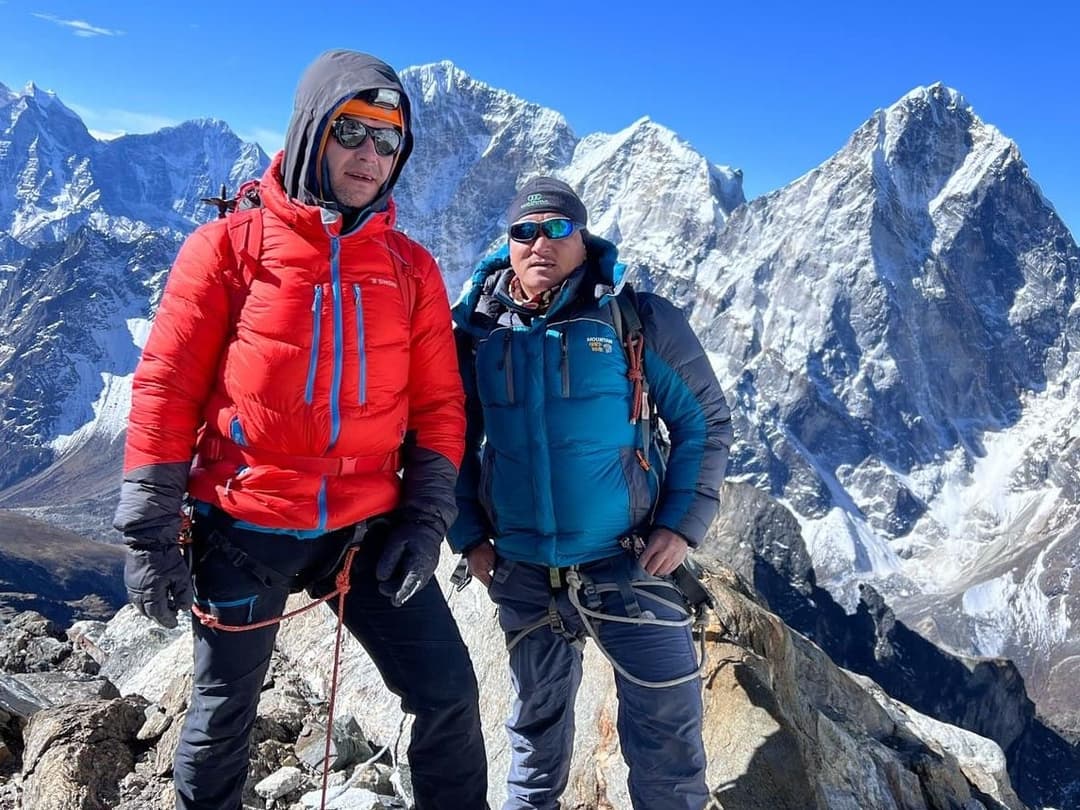
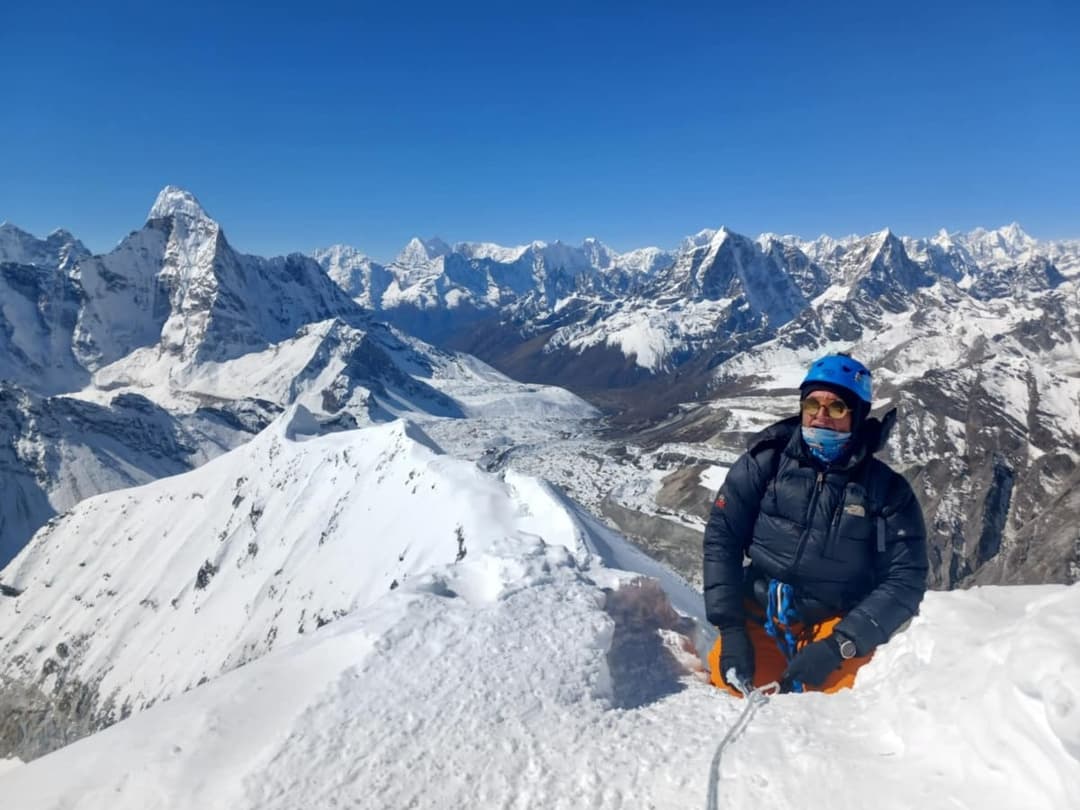
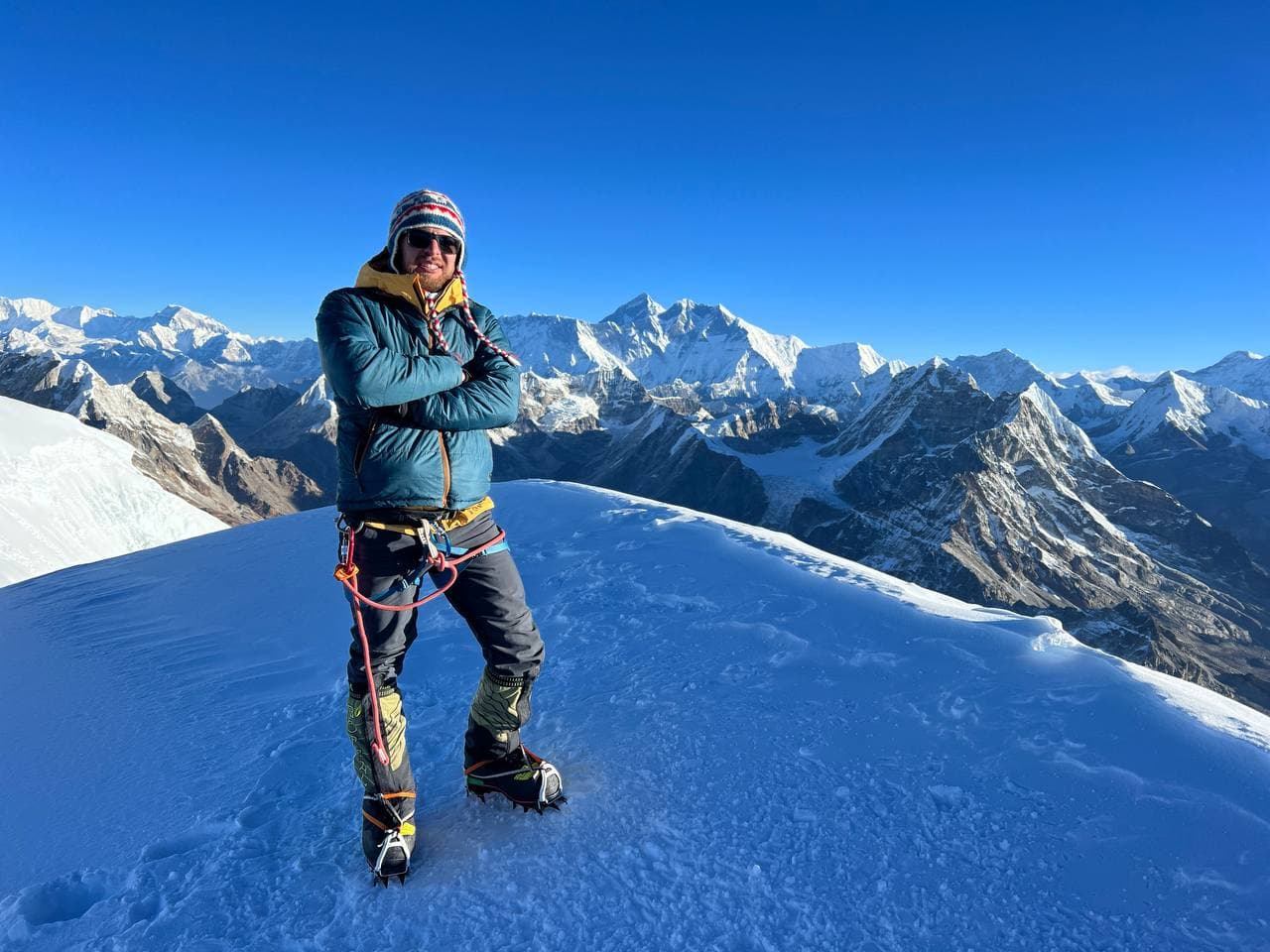
  • The view of five out of the six highest mountains in the world, Everest, Kanchenjunga, Lhotse, Makalu, and Cho Oyu, is incomparable and close to the eye with the 6,461m peak.
  • Entire day of acclimatization at Khare (5,045m): a day of the full course of practical training with the climbing guide on the utilization of ice axes, crampons, harnesses, and techniques of working with a rope.
  • The 13-day plan has a gradual ascent pattern and incorporates acclimatization days (such as in Khare) to ensure the highest safety and a successful summit.
  • The excursion will be guided by professional and English-speaking Sherpa guides and climbing leaders who are well conversant with the area and its climate.
  • It also includes all the necessary permits, domestic flights, on-trek meals, accommodation, equipment rental (sleeping bag, down jacket), and even a final dinner too.
  • The itinerary has a planned reserve day, which will take into consideration the unpredictable Himalayan weather, hence flexibility and a higher probability of reaching the summit.

Mera Peak Climbing Elevation Chart

About Mera Peak Climbing

Mera Peak (6476m) climbing in the Khumbu region is a thrilling and adventurous trip in the Nepal adventure holidays. The Peak is one of the popular trekking peaks in Nepal, which is authorized by the Nepal Mountaineering Association (NMA) for the climbing permit.

It is not only a technical climbing trip in Everest Region, but also connects with the visit of local Sherpa culture, traditions and lifestyles. The high Himalayan Peaks including the Mt. Everest are wonderful from the top of the Mera Peak and also the Glaciers and Lakes.

The Mera Peak climbing journey commences after a short Himalayan flight from Kathmandu to Lukla and gradually follows the trail along the River to the Hinku Valley. With proper acclimatization by hiking in the high altitude geography, a long foot hill journey from Lukla prepares the climbers to have a successful summit of the Mera Peak.

The climbing guide offered by the Good Vibe Adventure Company helps for the climbing practice by using the climbing equipment like an ice axe, rope, crampons and ascending as well as a descending jumper. From the top of the Mera Peak, the views of Mt. Everest, Cho Oyu, Makalu, Lhotse, mountain Glaciers, Himalayan gorges, and the surrounding striking panoramas are outstandingly come closer.

The mountaineering trips in the Mera Peak are generally taken as a gradual, relatively less technical than some of the other trekking peaks in the Khumbu region, mostly from the north face. This trip is helpful for beginner climbers who are still hoping to climb the high mountains, which are extremely challenging and technical like Mt. Everest.

Combining with the memorable trek to the Mera Peak base Camp, the Mera Peak Climbing strengthens the climbing confidences and familiarizes the challenges that occur while climbing through the Glaciers and steep trails.

We offer the whole package of Mera Peak Climbing trips with the Sherpa guides and climbing members, who born and grow in the high mountain regions. We are fully conscious of applying safety measures and acclimatization. Please, Contact us to let us manage your Mera Peak expedition trip with our best offerings.

How much does it cost for Mera Peak climbing in 2026/27?

The Mera Peak climbing cost for 2026/27 ranges from USD 1,600 to USD 1,900 per person with us. The final price depends on your group size, services, and the season you choose. We also offer group discounts for larger groups. Our package covers the main costs of the climb: food, accommodation, permits, domestic flights, guides, porters, and climbing support. 

You should also keep some money for personal expenses. Hot showers, WiFi, charging electronic devices, bottled water, snacks, and other personal items cost extra. These expenses depend on what you use during the trip.

If you do not have your own climbing equipment, you can rent the necessary gear in Kathmandu or Khare. Gear rental costs around USD 200 extra, You also need travel insurance covering high-altitude trekking and emergency helicopter evacuation. Insurance is not included in our package and you should arrange it before starting the trek.

If you are travelling with friends or joining a larger group, contact us for a group price. We offer better rates for larger groups.

Mera Peak Climbing Permits

For your Mera Peak climbing journey, you need a three permits: 

  • Mera Peak Climbing Permit
  • Makalu Barun National Park Entry Permit
  • Khumbu Pasang Lhamu Rural Municipality Entry Permit

We arrange the permits after you arrive in Nepal and before your climb begins. You should provide your passport details, and our team handles the applications and related paperwork. This saves you from visiting government offices or dealing with permit applications yourself. The permits are then ready before you head towards the Mera Peak climbing route.

How to Climb Mera Peak?

The Mera Peak climbing section starts from Khare. Here, you prepare for the climb and practice with your gear. Your guide teaches you how to use crampons, an ice axe, harness, and rope. You also practice walking on snow and ice.

From Mera Peak Base Camp, you climb towards High Camp. This section takes around 5 to 6 hours. The route crosses rocky ground, snow, and glacier sections. At High Camp, you rest and prepare for the summit climb.

The summit climb starts around 2:00 AM. You climb for about 4 to 6 hours to reach the summit. The full summit day takes around 8 to 10 hours, including the descent to Khare. You use crampons, an ice axe, and rope on the snowy sections. From the 6,476m summit, you get views of Everest, Lhotse, Makalu, Baruntse, and other peaks.

Why choose Mera Peak Climbing with Good Vibe adventure?

Mera Peak climbing isn’t easy, so choosing the right company matters. With Good Vibe Adventure, you get experienced guides, proper safety support, and help throughout the climb.

Experienced Sherpa climbing guides: Our Sherpa climbing guides have more than 10 years of experience in the mountains. They are licensed and trained to handle high altitude climbs. They guide you calmly and professionally, so you feel less stressed during the climb.

High summit success rate: Our 100% summit success rate shows our experience with Mera Peak climbing. We focus on proper acclimatization, route planning, and safe climbing conditions before taking you towards the summit.

Climbing certification: After a successful Mera Peak climb, you receive a summit certificate to recognize your achievement. It gives you a record of completing the climb.

Safety comes first: Safety matters most on a 6,476m peak. You will walk on snow and ice and face colder conditions at higher elevations. Our guides monitor your condition throughout the climb. If you develop symptoms of altitude sickness, they assess your condition and take the necessary steps. If your condition becomes serious, we arrange an emergency descent or helicopter evacuation when required.

Full support throughout the climb: Our team supports you from preparation to the summit and back. We help with climbing gear, permits, accommodation, logistics, and route information. You have a team with you throughout the climb, so you do not have to handle everything yourself.

Whom this Mera Peak Climbing is suitable for? 

Mera Peak climbing is suitable for people who are reasonably fit and want a real high-altitude adventure. You do not need to be an experienced mountaineer, but you should be comfortable with long days of walking and have good physical endurance.

Basic training in crampon, ice axe, rope, and harness use helps before the summit climb. Your climbing guide also gives you practical training before you reach the higher sections.
Few other Peak Climbing Packages in Nepal:

Detail Itinerary

Cost Details

Cost Includes

  • Domestic Airport pick-up and drop-off
  • Ground transport private vehicles.
  • Meals on a full-board basis (Breakfast, Lunch, and Dinner) during the trek and while climbing the mountain.
  • A highly experienced and knowledgeable English-speaking trekking Guide
  • A highly experienced and knowledgeable English-speaking climbing guide
  • 1 Sherpa potter for 2 trekkers in mountain.
  • All Food, Accommodation, Transportation, Insurance, and transportation for the guides.
  • All necessary paperwork: Sagarmatha national park fee, climbing permit, and TIMS card.
  • Special climbing permits for Mera Peak
  • Round-trip flight from Kathmandu to Lukla to Kathmandu including applicable departure taxes
  • All Camping Equipment (kitchen tent, dining tent, toilet tent, table, chair, and kitchen utensils) during the climbing period
  • Trekking lodge (Tea House) and tents during the trek and climbing periods.
  • Down Jacket, sleeping bag, and trekking map (down jacket and sleeping bag are to be returned after trip completion).
  • Arrangement of Emergency Helicopter service, which will be paid by your Travel insurance company.
  • Exclusive Medical Kit Bag.
  • Good Vibe Adventure offers you a farewell dinner on the last night.

Cost Excludes

  • International airfare.
  • Nepal Visa fee (bring accurate USD cash and two passport photographs).
  • Travel and rescue insurance (necessary).
  • Lunch and Dinner while you are in Kathmandu city.
  • Personal expenses (phone calls, internet, laundry, bar bills, bottle or boiled water & Hot Drinks Tea and Coffee, Hot Shower, Batteries charge, Heater during the Trek and Sweet things ).
  • Extra night accommodation and meals if early departure from the mountain.
  • Tips for the guide, porter. (it is expected).
  • Any other expenses that are not mentioned in the included section.

Good to Know

Best Time for Mera Peak Climbing 

Spring and autumn are the best seasons for Mera Peak climbing. Choosing the right time makes a big difference at such high altitude. Weather, temperature, snow, and trail conditions all affect the climb.

Spring, from March to May, has warmer days and clearer skies. The lower trails become easier as winter snow clears. Rhododendron flowers also cover parts of the lower route. Higher areas still have freezing nights, so warm clothing is essential.

Autumn, from September to November, has dry weather and clear mountain views. The trails are generally dry after the monsoon. October and November are good months for the climb because the weather is often stable. Temperatures drop sharply at night, especially around Base Camp and High Camp.

Winter and monsoon are less suitable for Mera Peak climbing. Winter has heavy snow and freezing temperatures at higher elevations. Monsoon has rain, clouds, and wet trails on the lower sections. These conditions make the climb harder and less predictable.

Food and Accomodation During Mera Peak Climbing

Food and accommodation during the Mera Peak climb are divided into two parts. You stay in teahouses during the lower part of the route. You then move to tented camps for the higher sections. The facilities are different in both places.

At the teahouses, you get three meals a day as part of our package. Meals include dal bhat, noodles, pasta, rice, potatoes, soup, eggs, bread, and other simple local dishes. You stay in basic but comfortable teahouses with shared bathrooms. Rooms usually have two beds and simple bedding. You should carry a sleeping bag for the colder nights.

At Base Camp and High Camp, you sleep in tents. Our climbing crew prepares hot meals at the camp. Food is simpler at higher elevations because cooking conditions become harder. Meals include rice, pasta, noodles, soup, eggs, potatoes, and other easy-to-eat foods. The team also prepares hot drinks to help you stay warm and hydrated during the climb.

Transportation for Mera peak climbing

The flight from Kathmandu to Lukla is the most common choice for Mera Peak climbers. It is the quickest way to reach the trailhead and saves time for the trek.

If you have extra time and energy, you can also drive from Kathmandu to Phaplu and trek from there towards Lukla. This adds more walking to your trip and gives you more time in the lower Solukhumbu region.

For a more comfortable option, you can take a helicopter flight from Kathmandu to Lukla. It costs more than a regular flight, but it gives you a faster and more private journey to the starting point.

Mera Peak Climbing Difficulty 

The first and foremost thing to consider is the difficulty. Mera Peak is a challenging climb. The season, weather, temperature, snow, and altitude all affect the climb. It is not a highly technical peak, but the higher section still needs care.

The climb from High Camp to the summit is the hardest part. You start around 2:00 to 3:00 AM with a headlamp and torch. You walk over snow and ice in cold and dark conditions. The thin air at high altitude also makes each step harder.

Altitude Sickness and Remedies during Mera Peak Climbing

Altitude sickness is one of the main concerns during Mera Peak climbing. You climb above 6,000m, where the air has much less oxygen. Headache, nausea, dizziness, tiredness, and loss of appetite are common symptoms.

The best way to reduce the risk is proper acclimatization. You should climb gradually, drink enough water, eat regular meals, and get enough rest. Avoid alcohol and do not push yourself when you feel unwell. Our guide checks your condition during the climb and watches for signs of altitude sickness.

If you develop mild symptoms, we give you time to rest and assess your condition before going higher. Do not continue climbing if your symptoms become worse. Serious symptoms require immediate descent and medical attention. If needed, we arrange emergency evacuation and take you to a lower altitude for further care.

Tips for Mera Peak Climbing

  • Train your body before the climb.
  • Acclimatize properly at higher elevations.
  • Check your climbing gear before leaving.
  • Carry warm and waterproof clothing.
  • Drink enough water throughout the climb.
  • Eat regular and nutritious meals.
  • Walk slowly on snow and ice.
  • Follow your guide’s instructions carefully.
  • Tell your guide if you feel unwell.
  • Carry travel insurance with high altitude rescue coverage.

FAQS