Permits and Travel Insurance during Mardi Himal Trek
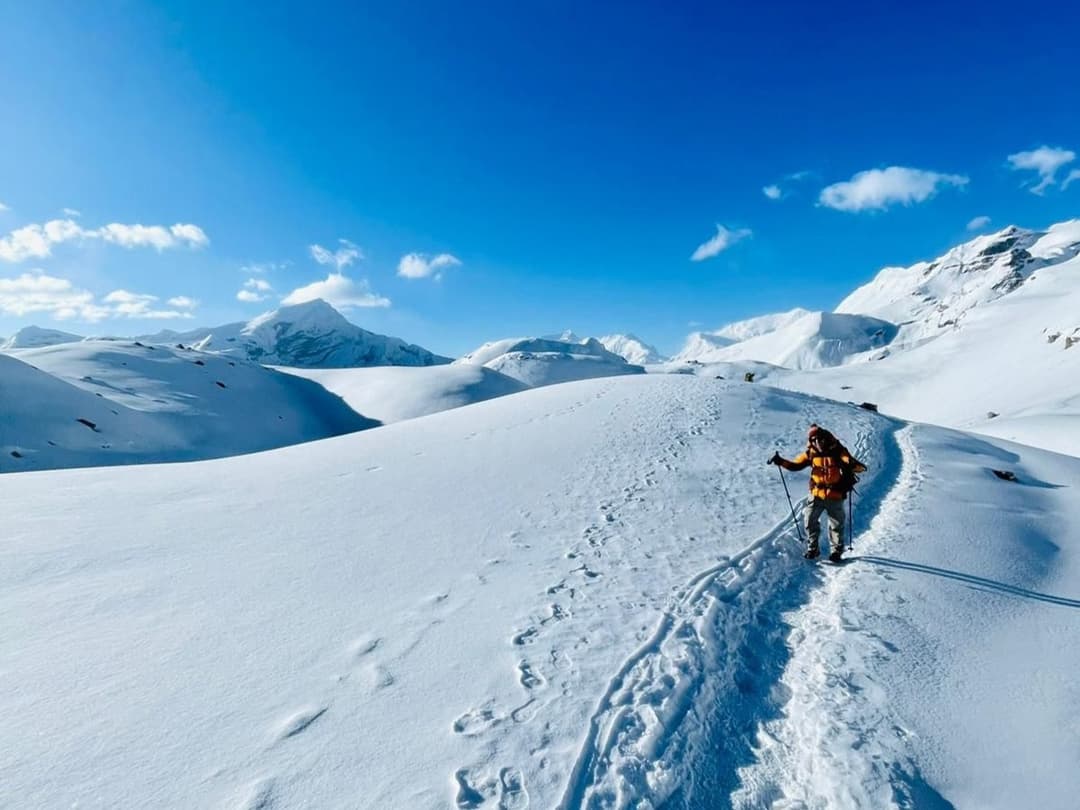
For the Mardi Himal Trek, you need the Annapurna Conservation Area Permit (ACAP) and a TIMS card. We will arrange these permits before starting the trek. Keep your passport and required documents with you, as the permits will be checked at checkpoints along the route. Mardi Himal is listed by the Nepal Tourism Board among the trekking routes where a licensed guide and agency-issued TIMS card are required.
Travel insurance is strongly recommended for trekking in Nepal. Make sure your insurance covers trekking at the altitude you will reach, medical treatment, and emergency helicopter evacuation. If you are confused about which travel insurance is best for you, we can help you understand what coverage you should look for before the trek.
Food, Water and Accommodation on Mardi Base Camp Trip
Food
Trekkers can savor a range of meals at teahouses along the Mardi Base Camp trail. Usually substantial and uncomplicated, the meal is prepared to provide hikers with the energy they need. Typical dinners consist of:
- Dal Bhat: is a classic Nepalese dish made of rice, pickles, vegetable curry, and lentil soup. It is a trekking essential that frequently has endless refills.
- Momos are meat or vegetable-filled dumplings made in Nepali cuisine that are sometimes served with a hot dipping sauce.
- Soups & Noodles: A variety of noodle meals are popular, particularly at higher elevations. Tibetan noodles, or thukpa, are one example.
- Breakfast: toast, eggs, and pancakes; occasionally served with jam or honey.
- Simple yet satisfying lunch or dinner alternatives include fried rice and pasta.
Water
During the trip, access to clean drinking water is crucial. Trekkers can choose from a variety of options, including:
- Boiled Water: For a nominal charge, teahouses often provide boiling water. It's a dependable and secure choice.
- Tablets for Water Purification: To purify water from local sources, many hikers carry tablets or drops for water purification.
- Bottled water: more costly at higher altitudes, but available for purchase along the way. It is advised to use purification pills or drink hot water to reduce plastic waste.
Accommodation
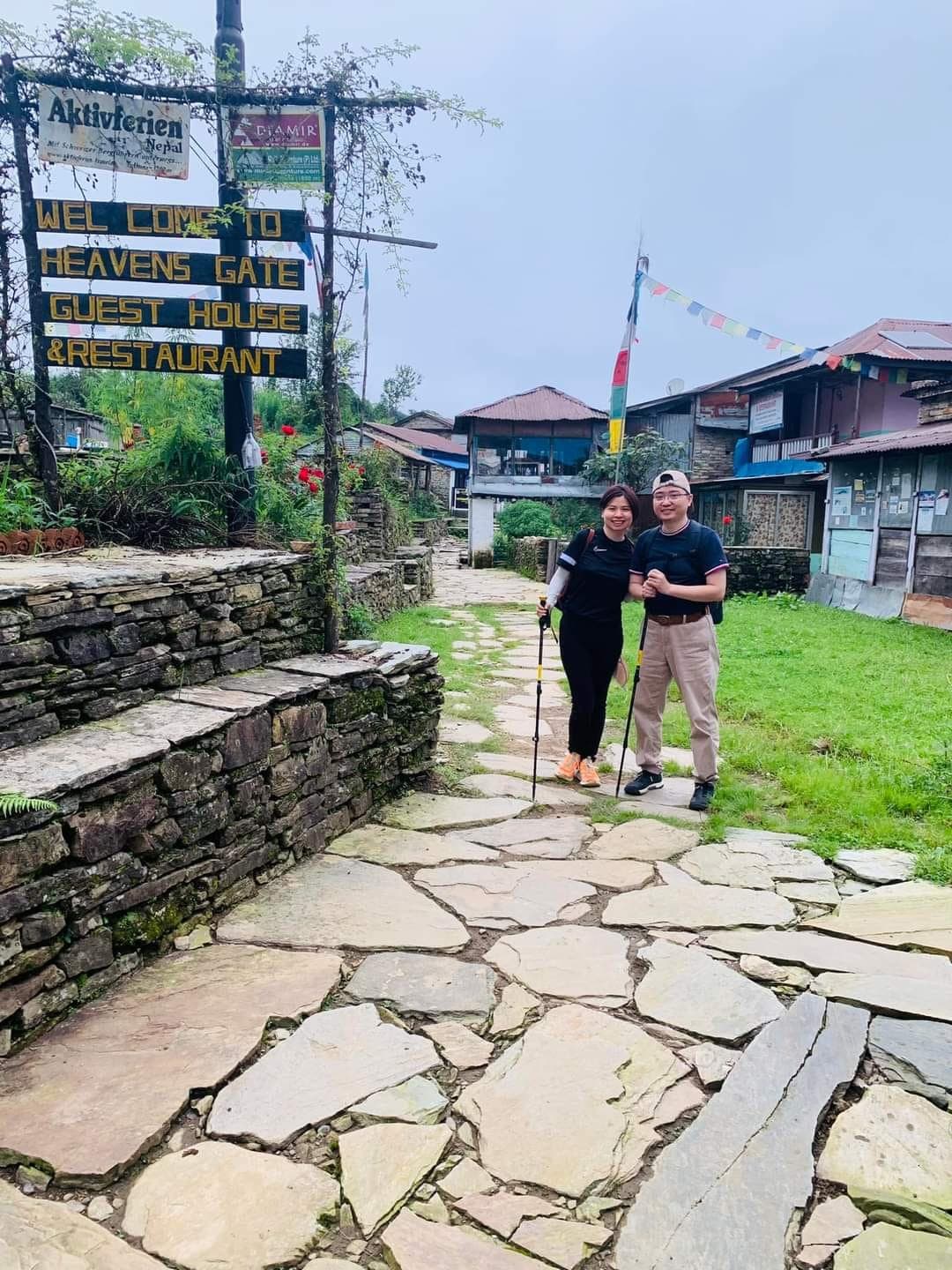
Teahouses, which are simple lodges offering a place to sleep and food, serve as the main kind of lodging for people doing the Mardi Himal trek. Important components of accommodations consist of:
- Rooms: Twin beds, a mattress, and a blanket are the standard furnishings in teahouse rooms. Rooms may be more basic at higher elevations, so it's best to pack a sleeping bag for added warmth.
- Shared Bathrooms: Western-style or squat toilets are found in the majority of teahouses. At higher elevations, the water may be lukewarm, although hot showers are provided for an extra price.
- Most teahouses have access to electricity; however, there is usually a nominal charge for charging gadgets. Bringing a power bank is a good idea, especially to higher altitudes where power supplies may be scarce.
- Wi-Fi: While some tea shops have it, it's often sluggish and might not be available everywhere. During the hike, it's ideal to unwind and take in the beautiful surroundings.
How Difficult is Mardi Himal Trek?
Mardi Himal Trek is moderately difficult. The main challenges are the altitude, uphill sections, and long walking days of around 5 to 7 hours. The trail has many stone steps and steep sections, especially as you get closer to High Camp. You need good stamina and regular walking practice to handle the daily hikes comfortably.
Altitude Sickness and Remedies for Mardi Himal Trek
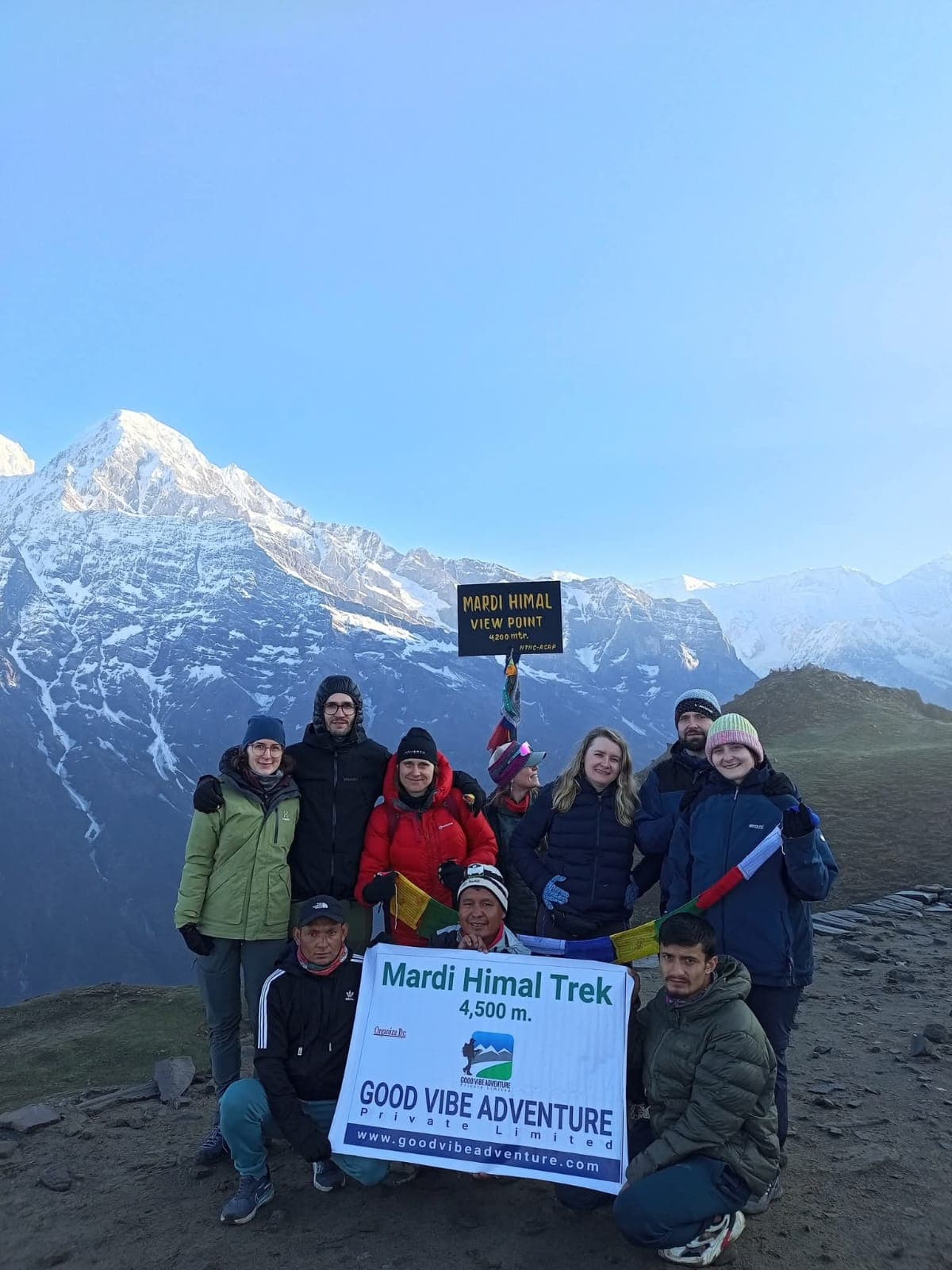
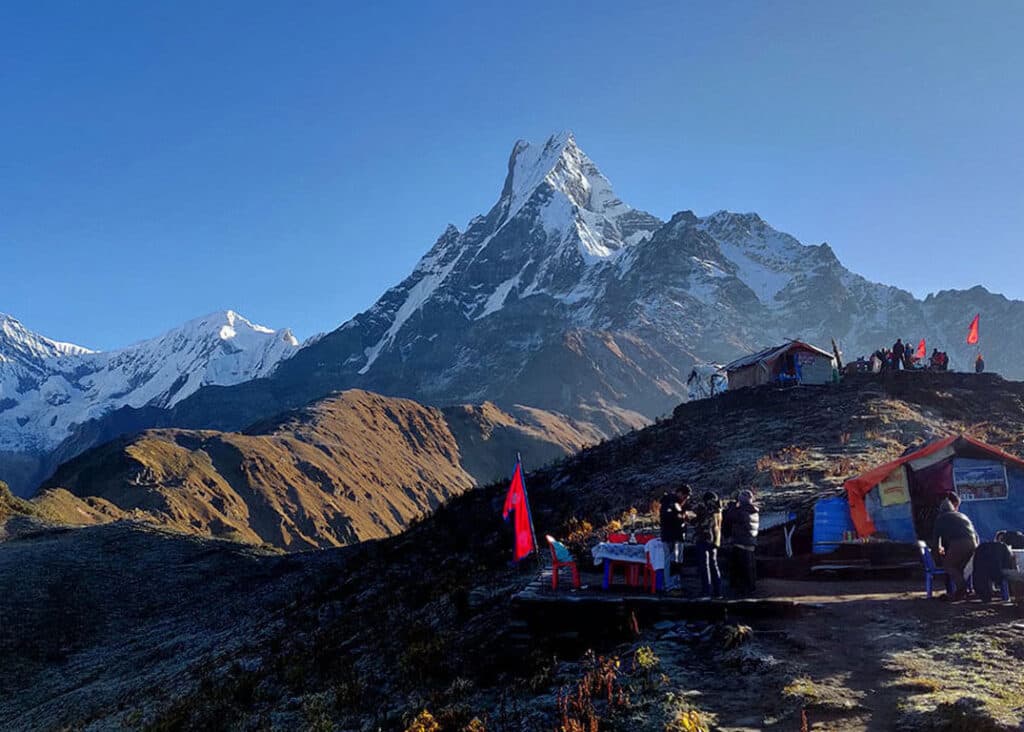
The highest point of the Mardi Himal Trek is at 4,500 meters at Mardi Himal Base Camp. As you gain altitude, there is a chance of getting altitude sickness. It can cause headaches, dizziness, nausea, tiredness, and shortness of breath. The risk becomes higher as you go above 3,000 meters. Here are a few things you can do to reduce the risk:
- Drink enough water throughout the day.
- Take your time on uphill sections and avoid rushing.
- Eat regular meals, even if you do not feel very hungry.
- Get enough rest during the trek.
- Avoid alcohol at higher elevations.
- Tell your guide if you feel unwell or notice symptoms getting worse.
Can Beginners do mardi himal trek?
The answer would be yes. First-time trekkers can do the Mardi Himal Trek with good fitness and some basic preparation. If you are willing to walk around 6 hours a day, handle the uphill trail, and adjust to the altitude, you can do it.
Our Booking and Payment Procedure
We request a 20% down payment at the time of booking to guarantee your spot on the trip. Confirming your reservation and guaranteeing availability for the dates you have selected requires this upfront payment.
We respectfully ask that you provide us with a copy of your passport and the information about your flight, along with the payment. With the use of this information, we can expedite the booking process and make sure that everything is ready for your arrival in Nepal.
When you get to Nepal, you can pay the remaining 80% of the trip fee. To suit your interests, we provide a variety of flexible payment alternatives.
You have two options for making the remaining payment: either use your credit card to pay the balance or transfer the funds to Good Vibe Adventure's local bank account. Furthermore, cash payments can be made when you arrive in Nepal.
When it comes to payments, we know how important convenience and security are; therefore, we work hard to make the process as easy as we can for our customers.
Please don't hesitate to get in touch with us if you need help making payment arrangements or if you have any queries. We are looking forward to having you visit Nepal and making sure you have a memorable journey with us.
Want to Extend Your Trip?
We provide packages beyond the Mardi Trek. A wide range of activities are available for you to select from to make the most of your time in Nepal and beyond. Options include exciting jungle safaris to witness unique species, pilgrimage trips to places of religion like Lumbini, or thorough tours of famous locations like Pokhara and Kathmandu.
We also provide thrilling rafting tours and chances to see Tibet and Bhutan. Our team can help you tailor your schedule to your preferences, no matter what you're interested in. Simply notify us ahead of time, and we'll ensure that your prolonged travel exceeds your expectations through careful preparation and attention to detail.
Packing List for 5 Days Trek to Mardi Base Camp
Clothing:
- Moisture-wicking base layers (tops and bottoms)
- Insulating layer (fleece or down jacket)
- Waterproof and windproof jacket
- Waterproof and windproof pants
- Trekking pants (convertible pants are versatile)
- T-shirts or hiking shirts
- warm hat or beanie
- Gloves or mittens
- Hiking socks (wool or synthetic)
- Undergarments
Footwear:
- Hiking boots or shoes (broken-in and waterproof)
- Camp shoes or sandals (for wearing in the lodge)
Gear:
- Backpack (30-40 liters)
- Sleeping bag (3-season or 4-season depending on the weather)
- Trekking poles
- Headlamp or flashlight (with extra batteries)
- Sunglasses (with UV protection)
- Sun hat or cap
- Personal first aid kit (including any necessary medications)
- Water purification tablets or water filters
- Trekking map and guidebook
- Camera or smartphone for capturing memories
- Power bank for charging electronic devices
- Lightweight towel
Toiletries:
- Toothbrush and toothpaste
- Biodegradable soap
- Hand sanitizer
- Toilet paper (carry your own as it may not be available in all places)
- Wet wipes
Miscellaneous:
- Passport and permits (if required)
- Cash (local currency) for expenses along the way
- Snacks (energy bars, nuts, dried fruits)
- Trekking permit (arrange in advance if necessary)
- Plastic bags (for organizing and waterproofing items)
- Durable water bottles or hydration systems
- Travel insurance documents
Optional:
- Portable pillow or pillowcase
- Earplugs (for sleeping in shared accommodations)
- Lightweight down jacket (for extra warmth)
- Gaiters (for keeping snow and debris out of boots)