

Lobuche Peak Climbing with EBC

5/5 from 0 reviews
  • DestinationNepal
  • Durations14 days
  • Trip DifficultyDemanding+Challenging
  • ActivitiesClimbing and Expedition
  • AccommodationLodge Trek
  • Mx.altitude5545m.
  • VehicleBus/Jeep/Flight
  • Group SizeMin. 1 Pax

Highlights

  • Lobuche East falls within the classification of technical trekking peak, meaning the implementation of mountaineering gear in technical, steeper and glacier-covered areas.
  • You could see recognized sights such as the Kalapatthar (5545m) where you could get close shots of Mt Everest.
  • This walk has been in the heart of the Sherpas fields, through colorful villages such as Namche Bazaar and Tengboche with its old monastery which gives the cultural fulfillment.
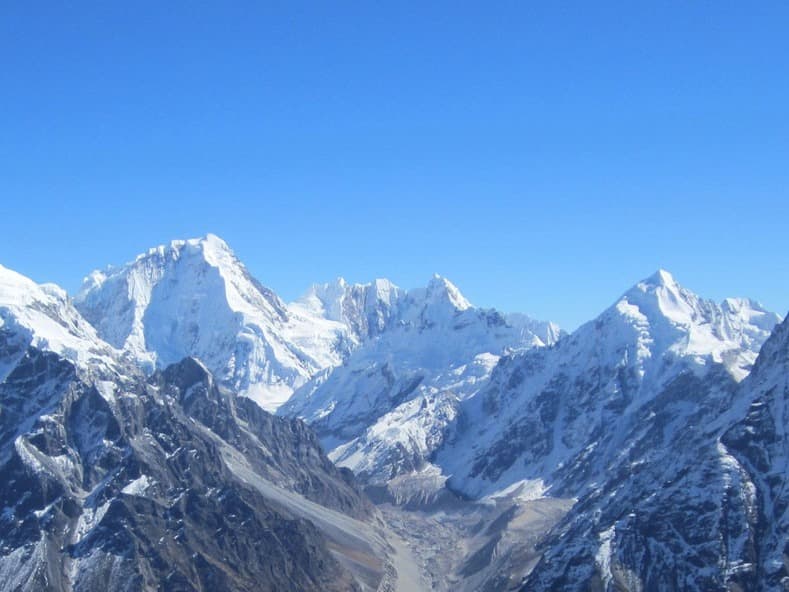
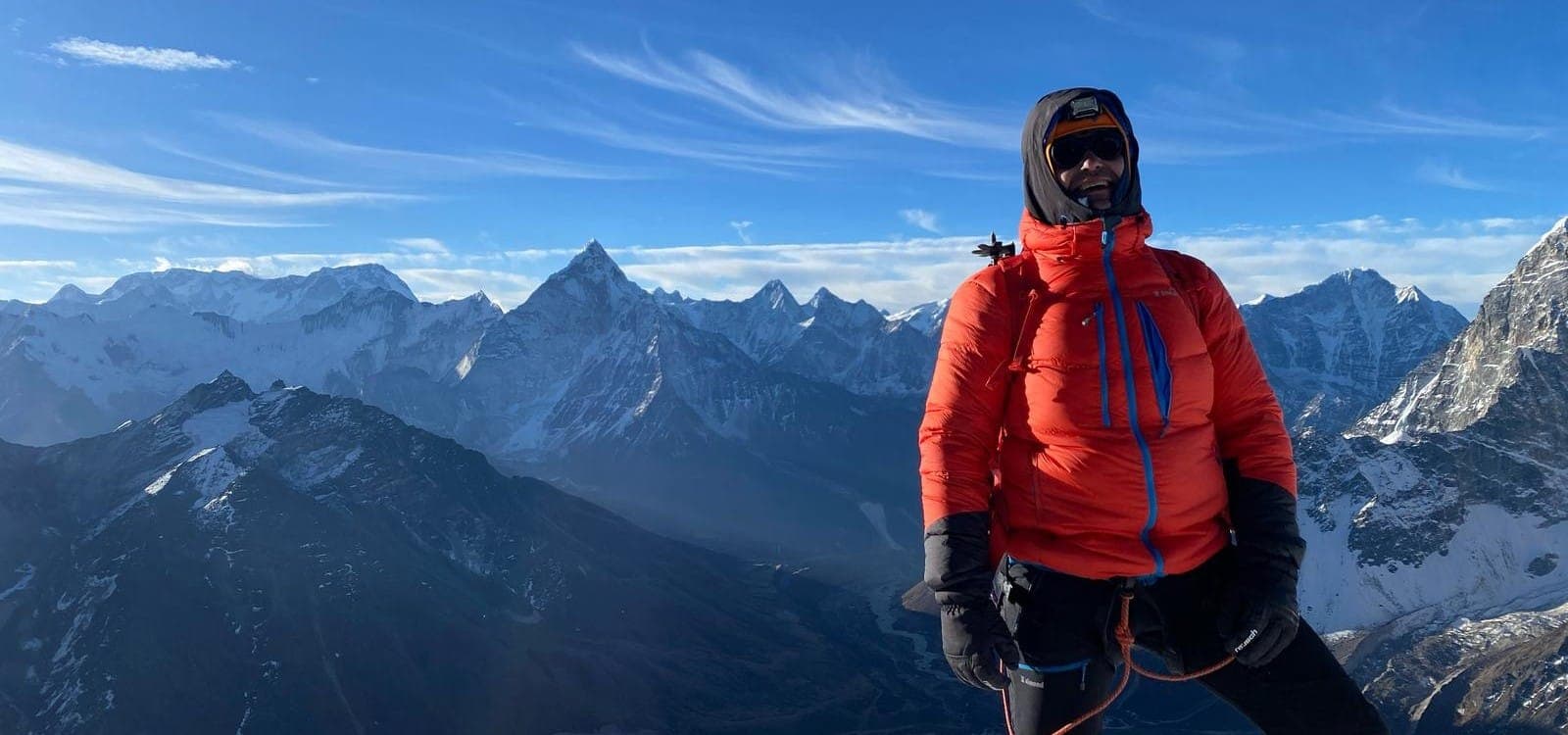
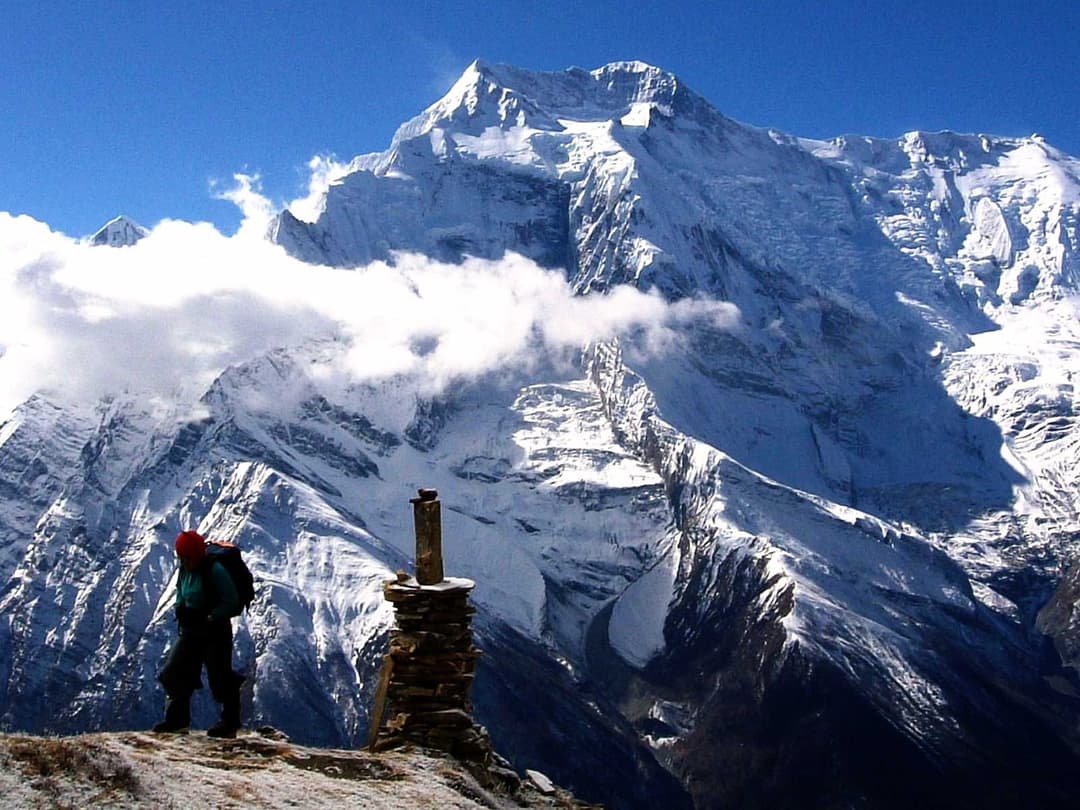
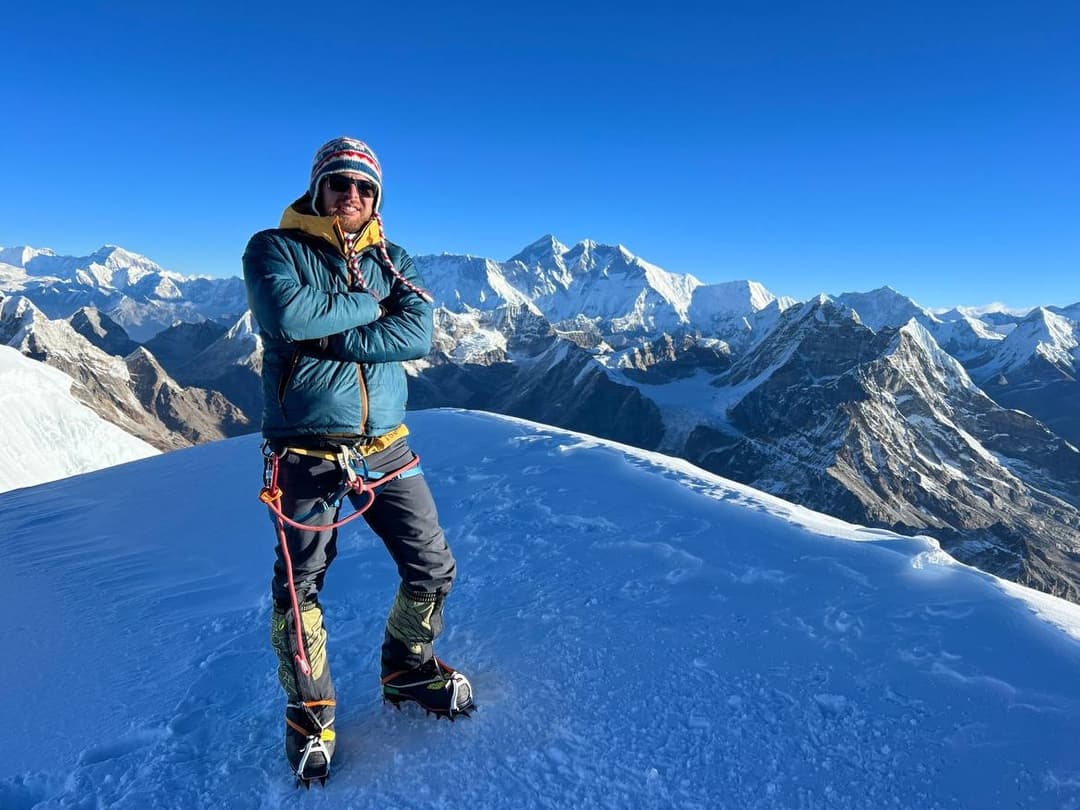
  • Atop the summit, which is 6,119 meters altitude, you have a treat consisting of a wide angle and close up views of the giants such as Mt. Everest, Lhotse, Nuptse, Ama Dablam and Pumori.
  • Proven Acclimatization Timeline The 14-day schedule is logically planned with specific rest/acclimatizing days in Namche Bazaar and Dingboche to ensure the maximum safety level and success of the summits.
  • An extra day will be part of the itinerary that is put aside in case of an unexpected Himalayan weather that will increase your chances of successfully reaching the summit.
  • The adventure starts and ends with an exciting short flight between Kathmandu and Lukla providing the sites of beautiful scenery of the mountains.

Lobuche Peak Climbing with EBC Elevation Chart

About Lobuche Peak Climbing with EBC

Lobuche Peak is a technical trekking peak in the Khumbu region, located above the Lobuche village. It is divided into the Lobuche East Peak (6119m) and Lobuche West Peak (6145m). Combined with the Everest Base Camp trekking, the Lobuche Peak climbing trip is a reward to experience the extreme adventure of technical climbing along with a memorable trekking through the Sherpa landscape, spectacular Himalayan views and flora and fauna in the Sagarmatha National Park. The views of the Khumbu Glacier and frozen Lakes are further attractions of the Lobuche Peak Climbing trip.

The trip to Lobuche Peak Climbing commences from the beautiful Himalayan village Lukla, after a half an hour flight from Kathmandu and follows the ridge of the Dudh Koshi River. Heading through the vibrant Sherpa village- Namche Bazaar, the mountain views welcome the climbers with its full white gaze.

The Tengboche village is very much popular about having the world-renowned Tengboche Monastery with an ideal work of art. Before heading to the Lobuche base camp, the climbers hike up to the Everest base camp and Kalapatthar (5545m) that helps to acclimatize and keep physically fit.

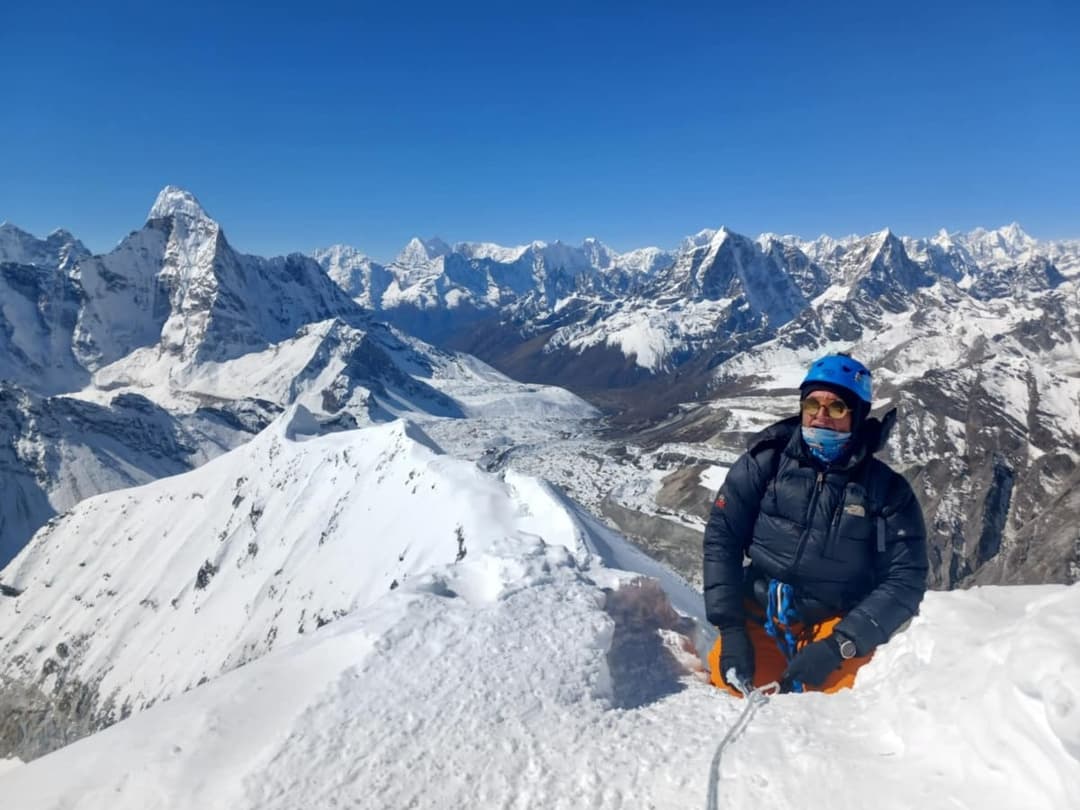
As the trip climbs down to Lobuche village, it moves forward to the Lobuche Peak East Base camp at 5200m altitude. On the summiting day, the climbers climb up through the south ridge on its top. The views of Mt. Everest, Ama Dablam, Pumori, Mountain Glaciers, and the surrounding mountain peaks are incredible on the climbing trip to Lobuche Peak.

How to climb Lobuche Peak?

You should start the climb from Lobuche East Base Camp. From there, you climb to High Camp

You start the summit climb early in the morning, usually around 2:00 to 3:00 AM. The climb from High Camp to the summit takes about 6 to 8 hours. The route follows the ridge toward the summit at 6,119m. You use crampons, an ice axe, harness, and ropes on technical sections.

After reaching the summit, you descend to High Camp. It takes around 3 to 4 hours. You then continue down to Lobuche village.

How much does it cost for Lobuche Peak Climbing 2026/27?

The average cost of our Lobuche Peak Climbing package is around USD 1,750 per person for 2026/27. The price can vary depending on your group size and the services included in your package. This covers the main costs of the climb, including permits, transportation, accommodation, meals, and support from our climbing team. Personal expenses such as travel insurance, snacks, hot showers, Wi-Fi, charging, and extra drinks are not included.

How to Book Lobuche Peak Climbing with us?

Booking your Lobuche Peak Climbing package is simple. First, contact our team and tell us your preferred travel dates, group size, and any specific requirements. We will confirm the available departure date, package cost, and trip details.

Once you agree to the itinerary and price, you need to make a 20% advance payment to confirm your booking. After receiving the deposit, we will confirm your trip and start preparing the required permits, accommodation, transportation, and climbing arrangements.

The remaining amount can be paid after you arrive in Nepal, before the trek starts. Our team will guide you through the payment process and provide the details you need for your booking.

Who is Lobuche Peak Climbing for?

Lobuche Peak Climbing is a good fit for people who have already trekked at high altitude and now want to attempt their first 6,000-meter summit. It also suits trekkers planning Everest Base Camp who want to add a peak climb instead of ending their trip at EBC.

It is suitable for first-time peak climbers who are ready to learn basic climbing skills, as well as regular mountain trekkers looking for a more demanding trip in the Everest region.
Detail Itinerary

Cost Details

Cost Includes

  • Domestic Airport pick-up and drop-off and all
  • Ground transport private vehicles.
  • Meals on a full-board basis (Breakfast, Lunch, and Dinner) during the trek and Climbing the mountain.
  • A highly experienced and knowledgeable English-speaking trekking Guide
  • A highly experienced and knowledgeable English-speaking climbing guide
  • 1 Sherpa potter for 2 trekkers in mountain.
  • All Food, Accommodation, Transportation, Insurance, and transportation for the guides.
  • All necessary paperwork: Sagarmatha national park fee, climbing permit, and TIMS card.
  • Khumbu Pasang Lhamu Rural Municipality Permit
  • Special climbing permits for Lobhuche Peak.
  • Round trip flight from Kathmandu – Lukla - Kathmandu including applicable departure taxes
  • All Camping Equipment (kitchen tent, dining tent, toilet tent, table, chair, and kitchen utensils)
  • Trekking lodge (Tea House) and tents during the trek and climbing periods.
  • Good Vibe Adventure’s t-shirt, Down Jacket, sleeping bag and trekking map (down jacket and sleeping bag are to be returned after trip completion).
  • Arrangement of Emergency Helicopter service which will be paid by your Travel insurance company.
  • Exclusive Medical Kit Bag.
  • Good Vibe Adventure offers you Farewell Dinner on last night.

Cost Excludes

  • International airfare.
  • Nepal Visa fee (bring accurate USD cash and two passport photographs).
  • Travel and rescue insurance (necessary).
  • Lunch and Dinner while you are in Kathmandu city.
  • Personal expenses (phone calls, internet, laundry, bar bills, bottle or boiled water & Hot Drinks Tea and Coffee, Hot Shower, Batteries charge, Heater during the Trek and Sweet things ).
  • Extra night accommodation and meals if early departure from the mountain.
  • Tips for the guide, porter. (it is expected).
  • Any other expenses that are not mentioned in the included section.

Dates & Availability

  • 29th Sep 2026From Kathmandu
    12th Oct 2026To Kathmandu
    guaranteed 2 Left
    US $1650Per person
  • 5th Oct 2026From Kathmandu
    18th Oct 2026To Kathmandu
    guaranteed 2 Left
    US $1650Per person
  • 15th Oct 2026From Kathmandu
    28th Oct 2026To Kathmandu
    guaranteed 2 Left
    US $1650Per person
  • 19th Oct 2026From Kathmandu
    1st Nov 2026To Kathmandu
    guaranteed 2 Left
    US $1650Per person
  • 24th Oct 2026From Kathmandu
    6th Nov 2026To Kathmandu
    guaranteed 2 Left
    US $1650Per person
  • 29th Oct 2026From Kathmandu
    11th Nov 2026To Kathmandu
    guaranteed 2 Left
    US $1650Per person
  • 1st Nov 2026From Kathmandu
    14th Nov 2026To Kathmandu
    guaranteed 2 Left
    US $1650Per person
  • 12th Nov 2026From Kathmandu
    25th Nov 2026To Kathmandu
    guaranteed 2 Left
    US $1650Per person
  • 14th Nov 2026From Kathmandu
    27th Nov 2026To Kathmandu
    guaranteed 2 Left
    US $1650Per person
  • 17th Nov 2026From Kathmandu
    30th Nov 2026To Kathmandu
    guaranteed 2 Left
    US $1650Per person
  • 26th Nov 2026From Kathmandu
    9th Dec 2026To Kathmandu
    guaranteed 2 Left
    US $1650Per person
  • 2nd Dec 2026From Kathmandu
    15th Dec 2026To Kathmandu
    guaranteed 2 Left
    US $1650Per person

Good to Know

Best Time for Lobuche Peak Climbing with EBC

The best time for Lobuche Peak Climbing with EBC is spring and autumn. You will spend many days walking the EBC trail before reaching the climbing section, so the season affects both parts of the trip.

Lobuche Peak with EBC in Spring (March to May)

Spring is a good time if you want the trail to feel more alive. As you walk through the lower Khumbu villages, you will see rhododendrons starting to bloom and more greenery around the trail. Tea houses also start getting busier as more trekkers arrive.

As you get higher, the landscape changes quickly. You will leave the green forests behind and start walking through the rocky and colder areas around Lobuche. Snow is still present around the peak, which gives you proper winter conditions for the climbing section. April and May are popular choices for combining EBC with Lobuche Peak.

Lobuche Peak with EBC in Autumn (September to November)

Autumn has a different feel. The monsoon has ended, so the EBC trail becomes busy again with trekkers, porters, and yaks ( carrying supplies to the villages). You will see more people staying in the tea houses around Namche, Dingboche, and Lobuche.

This is also a good period to continue from EBC toward Lobuche Peak. By the time you reach the climbing section, you have already spent days getting used to the altitude. October and November are among the busiest months for the Lobuche Peak route.

Difficulty of Lobuche Peak Climbing with EBC

The EBC section is a long high-altitude trek, but the real climbing starts after you reach Lobuche Base Camp. From there, the trail becomes steeper and you start dealing with snow, ice, and climbing equipment.

Lobuche Base Camp to High Camp is one of the harder sections. You gain a lot of elevation in a short distance, and the terrain becomes more technical. You may need crampons, an ice axe, harness, and fixed ropes.

High Camp to the summit is the hardest part of the trip. You start climbing very early in the morning while it is still dark. The cold, steep snow and ice, and altitude above 6,000 meters make the climb tough. After reaching the summit, you still need to descend and continue toward Thukla or Pheriche, so you need enough energy for the whole day.

The walk from Lobuche to Everest Base Camp and Kala Patthar is also demanding because of the altitude, but it is still trekking. The long walking days and high elevation can leave you tired before the actual summit attempt.

Fitness Level Required for Lobuche Peak Climbing

You should be able to walk uphill for 5 to7 hours with a backpack and still have enough energy to continue the next day. The EBC section includes long climbs around Namche, Tengboche, Dingboche, and Lobuche, so your legs need to handle repeated uphill walking.

For the climbing section, you need enough leg strength and endurance to climb steep snow and ice from Lobuche Base Camp to High Camp and then to the 6,119 m summit. Summit day starts very early and can take several hours of climbing before the descent.

Before the trek, focus on long hikes, stairs, uphill walking, running, or cycling. Strength training for your legs and core also helps. You do not need to be an athlete, but you should already be comfortable with long uphill hikes before starting the trip.

Altitude Sickness During Lobuche Peak Climbing

Altitude sickness is one of the main things you need to be careful about during Lobuche Peak Climbing. You start feeling the change in altitude after Namche and spend more time above 4,000 meters as you reach Dingboche and Lobuche. Headache, nausea, dizziness, tiredness, and difficulty sleeping are common signs.

In some cases, altitude sickness can become serious and lead to HACE (High Altitude Cerebral Edema). HACE can cause confusion, difficulty walking, severe headache, unusual behavior, or loss of consciousness. This is an emergency and requires immediate descent and medical treatment.

The best way to prevent altitude sickness is to take your acclimatization days seriously, drink enough water, eat well, and avoid alcohol. Do not continue climbing if your symptoms are getting worse.

Carry a basic first-aid kit with medicines for headache, stomach problems, blisters, and other common trekking issues. Your guide should also carry first-aid supplies and monitor your condition during the trek.

If symptoms are mild, you may need to rest at the same altitude and drink fluids. If they do not improve, you should descend. Never try to push through serious altitude sickness just to reach the summit.

Accommodation and Food During Lobuche Peak Climbing with Everest Base Camp

For most of the Lobuche Peak Climbing with EBC, you sleep in teahouses along the trail. The rooms are simple, usually with two beds, blankets, and shared bathrooms. You stay in places like Phakding, Namche, Tengboche, Dingboche, and Lobuche. After walking for several hours, having a bed and a warm place to sleep is enough to get ready for the next day.

Things change once you reach Lobuche Base Camp and High Camp. You sleep in tents instead of teahouses, and the nights are much colder here. Facilities are limited, so you spend most of your time inside the tent when you are not preparing for the climb.

Food is simple but filling. Along the trail, you can have dal bhat, noodles, rice, pasta, momos, soup, eggs, and potatoes. Dal bhat is especially useful on long trekking days because it keeps you full for longer. Tea, coffee, and other hot drinks are also easy to get in the teahouses.

At Lobuche Base Camp and High Camp, the climbing team prepares the meals at camp. The food is more basic, especially at high camp, but it gives you the energy needed for the summit attempt. Breakfast is important because you leave very early for the climb. Accommodation and meals during the trek and climbing section are included in the package.

Permits and Travel Insurance for Lobuche Peak Climbing with EBC

You need three permits for Lobuche Peak Climbing with EBC. These include the Lobuche Peak climbing permit, Sagarmatha National Park permit, and Khumbu Pasang Lhamu Rural Municipality permit. These permits are required for both trek and the peak climb. The permit costs are included in our package.

Travel insurance is not included in the package. You should have insurance that covers high-altitude trekking and peak climbing up to 6,119 meters. Your policy should also cover emergency medical treatment, helicopter evacuation, and mountain rescue. Check the altitude limit carefully before buying your insurance because some standard travel policies do not cover activities above 6,000 meters.

FAQS