Best Time for Langtang Gosaikunda Trek
Nepal's best time to trek is either Spring (March, April, May) or Autumn (September, October, November) and Langtang Gosainkunda trek is no exception. Because of its mild and stable weather and temperature these seasons are popular for trekking in Nepal.
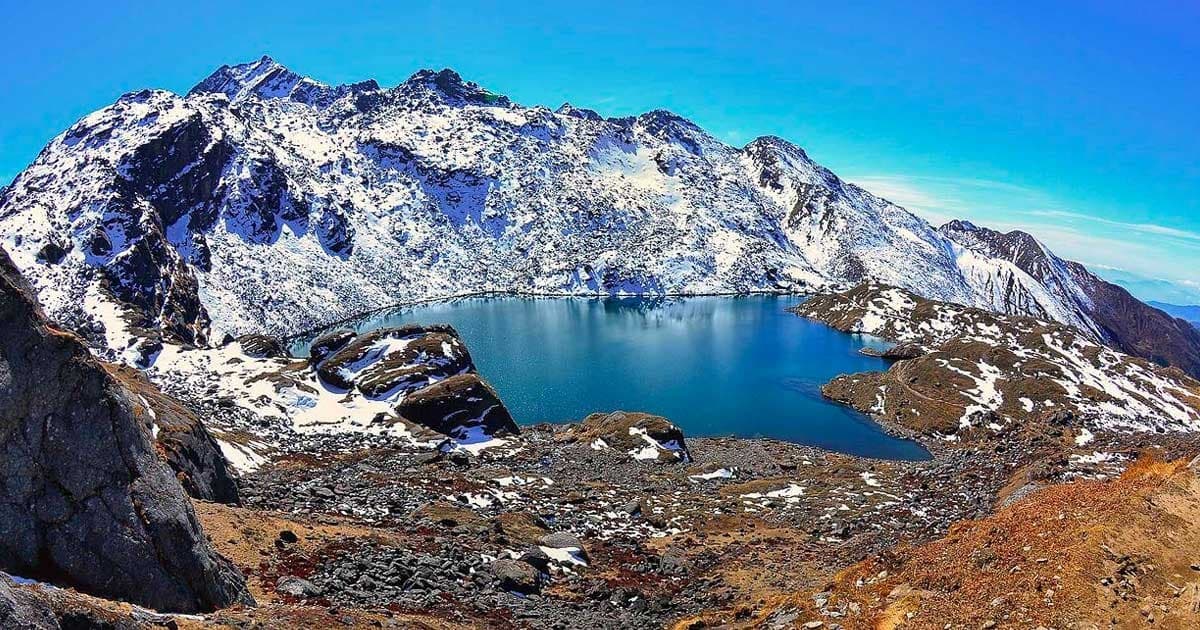
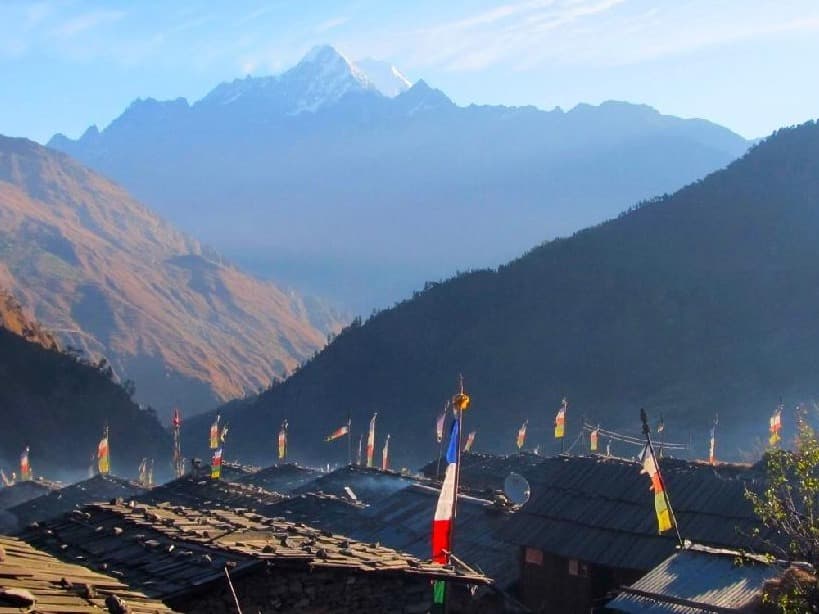
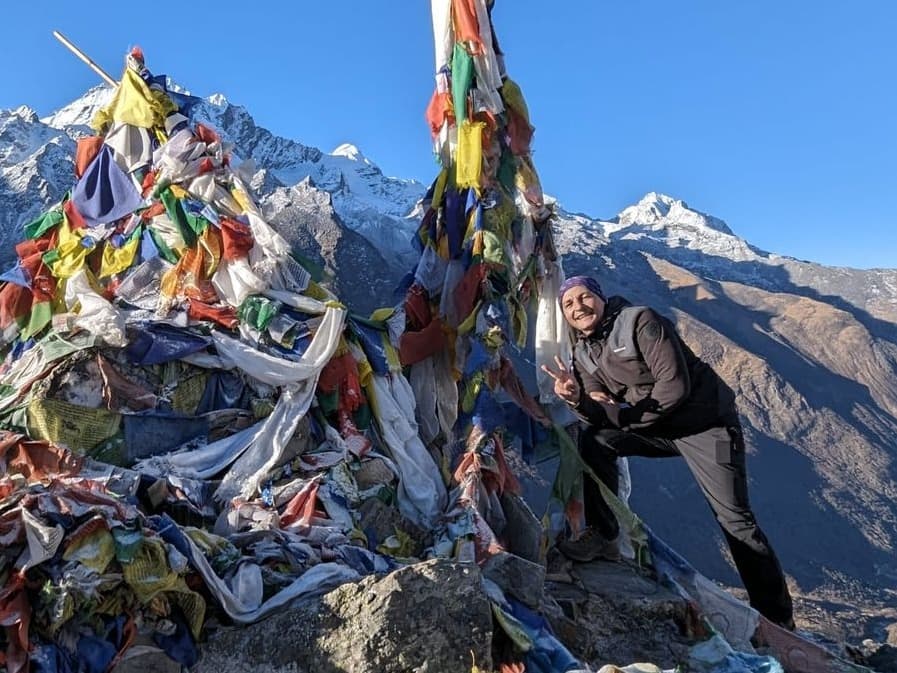
Spring is the best time for hikers and is also a paradise for photographers. The trekking trails, the mountains, the small villages, the yaks, the vegetation, all look magnificent and organic. It provides your photo and selfie with a nice backdrop.
You can see colorful Rhododendron flowers in the dense forest, as it is the Rhododendron season. You could see Danphe and Red Panda too if you are lucky enough.
(March through May) is the Spring Season in the Langtang Area. The average temperatures range from 18°C to 30°C around this area. This temperature makes the trekking trip fun but the temperature can go below 6 ° C.
In this season, the chances of rainfall and snowfall are lower which allows you to see more clearly the landscape and the mountains. Spring is beautiful in the Langtang area, and attracts thousands of trekkers, so tea houses are also full of tourists.
Autumn is yet another popular trekking season in Nepal. This begins at the beginning of September and finishes in early December. Autumn is the best travel season, it's neither too hot, nor too cold. The weather is warm and calm, with mountain and landscape views great.
In Langtang Gosainkunda hike, the average temperature in Autumn is normally 20°C to 28°C. The temperature normally decreases at night and reaches as high as 6°C to 10°C.
Autumn is the dry season so there is low rainfall and humidity that gives you a glorious view of Himalayan ranges and sky. It is also the time for the Gosainkunda festival, where Hindus and Buddhists perform their religious rituals.
Your trek to Langtang Gosaikunda trekking is also possible during the winter and summer seasons, but during the journey, it can come with different difficulties. The biggest obstacles to this season are rain and snow.
During this season, both weather and temperature are unpredictable, you need to be especially careful for this season. It is important to update your packing lists which increases the cost so that Spring and Autumn is the best season to travel.
Food and Accommodation
In this whole journey of Langtang Gosaikunda trekking, the accommodation you will get varies from basic to normal. The varieties of operation change with the number of people and altitude at the site. You can only get accommodation that's very easy if you go up to a higher altitude.
There are no hotels or other fancy places anywhere on your walk and the best lodging you will get in this trek makes you feel very easy as it's a very rural environment.
Lower-altitude areas have better accommodation relative to higher-altitude areas. You will get good twin-bedded quarters, queen bedrooms and an attached bathroom.
Usually, there is a rather slow wifi service and a reasonable choice of food. Not all rooms have all the amenities and so you will have to pay more for more facilities.
The toilets at the lower altitudes are western-style toilets, but there is a greater chance of getting a squat type toilet when you ascend. It is also a good idea to bring toilet paper on your own since most places do not sell toilet paper.
Most of the tea houses during the journey of Langtang Gosaikunda trekking have a hot water shower area. You are going to have to pay extra but it costs only $4 per customer, which is a reasonable price considering the heating effort required. Even water is free from the cold.
When you ascend to higher altitudes the rooms will decrease their services, so will the variety of food changes. Nepali Dal Bhat and other local foods will be the only decent food on offer.
There may be a couple of locations where western food is sold but you will have to pay more. You are advised to eat Dal Bhat as it is a balanced diet and is very full.
Langtang Gosainkunda trekking difficulties
The itinerary for the Langtang Gosaikunda trekking is a lovely one. In terms of difficulty it can be easy to get to a middle-level trek.
That depends on who's trekking and what time of the year. Let's take a look at some of the difficulties that one might face during the Langtang Gosaikunda trek.
To those who come from sea level altitude may be a concern. One should be wary about sickness from altitude. Move slowly and make sure the body is well hydrated to avoid the complications and the sickness.
Trekking along the Langtang Gosaikunda trekking is a mid-hill trek. The trail is largely forested. And when you're trekking in a monsoon, you're more likely to get leech bites. For this reason take table salt or insect repellents.
There are small paths at times. If you see the coming of a caravan of yak, go to the safer side and wait for it to pass. Chances are they will drive you off the edge.
Experienced trekkers are prohibiting anyone from smelling flowers on the trail. They say the flowers can be poisonous, although some locals even say it can cause altitude sickness to smell flowers in there.