
- Everest Base Camp trek profile
- What makes the Everest Base Camp trek difficult?
- How food, accommodation, and basic facilities affect the trek?
- Mental challenges of the Everest Base Camp trek
- How do the seasons affect the Everest Base Camp trek difficulty?
- How to prepare for the Everest Base Camp trek?
- Common mistakes that make the trek harder
- Conclusion
- FAQs
- Is Everest Base Camp Trek difficult?
- Can beginners do the Everest Base Camp Trek?
- Is altitude the hardest part of the Everest Base Camp Trek?
- How fit do you need to be for Everest Base Camp?
- How many hours do you walk each day on the Everest Base Camp Trek?
- Is Everest Base Camp harder than Kilimanjaro?
- Do I need a guide for the Everest Base Camp Trek?
- How do I avoid altitude sickness on the Everest Base Camp Trek?
When people hear Everest Base Camp Trek, the first thing they ask is, "How hard is the Everest Base Camp Trek? "
That is not even a new thing. The name alone makes the trek sound difficult. You are walked to the base of the world's highest mountain, so it's easy to think the trek must be extremely difficult.
So if you are looking for a simple answer like "easy" or "hard," you won't get one because the Everest Base Camp Trek difficulty level depends on what challenges you the most. Some people struggle with EBC altitude, others find the long walking days exhausting, & some handle both without much trouble but find the cold or basic facilities harder.
The best way to judge this trek is to understand each challenge on its own, & that's exactly what this guide will do.
Everest Base Camp trek profile
Before moving forward at what makes the Everest Base Camp Trek difficult, it's worth understanding what the trek actually involves.
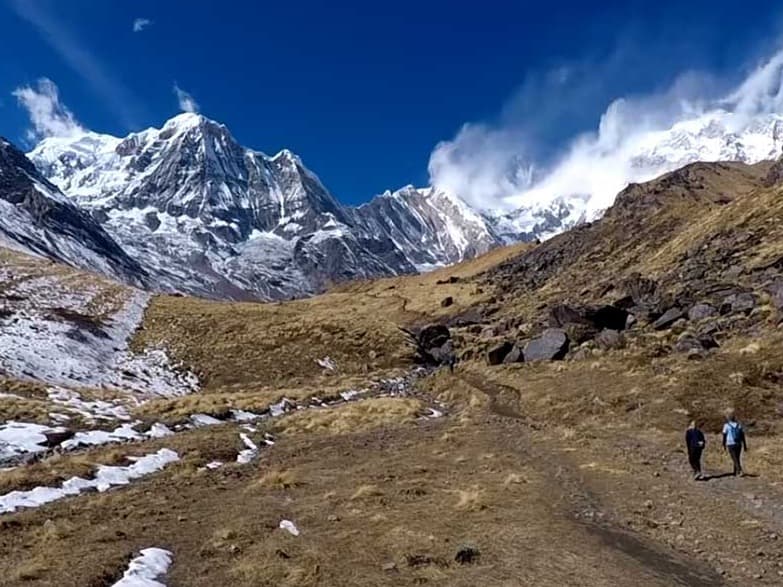
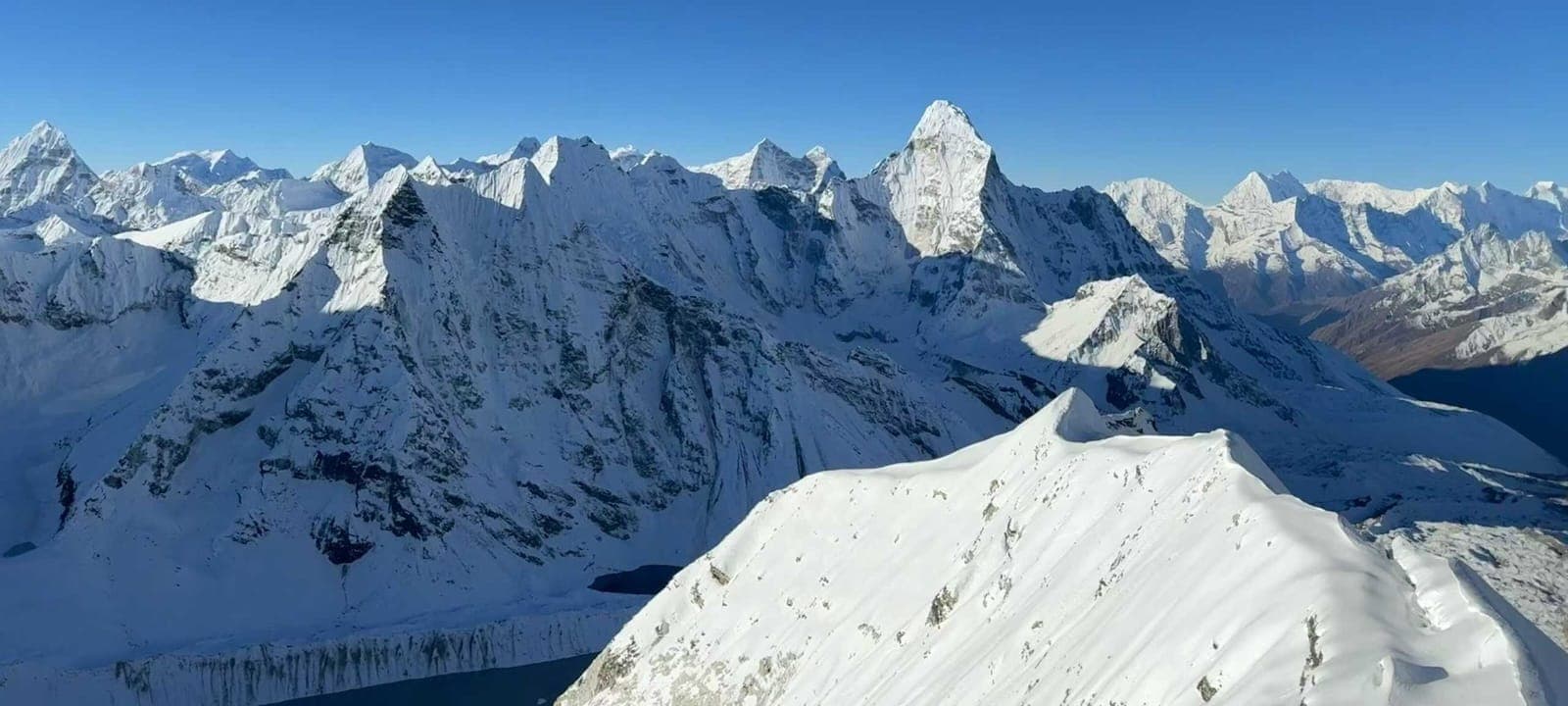
The Everest Base Camp Trek is one of the most famous trekking routes in the world. It takes you through the Khumbu region of Nepal, passing Sherpa villages, suspension bridges, forests, & high mountain valleys before reaching Everest Base Camp at 5,364 metres (17,598 feet). Most itineraries also include a hike to Kala Patthar (5,545 metres), one of the best viewpoints for Mount Everest.
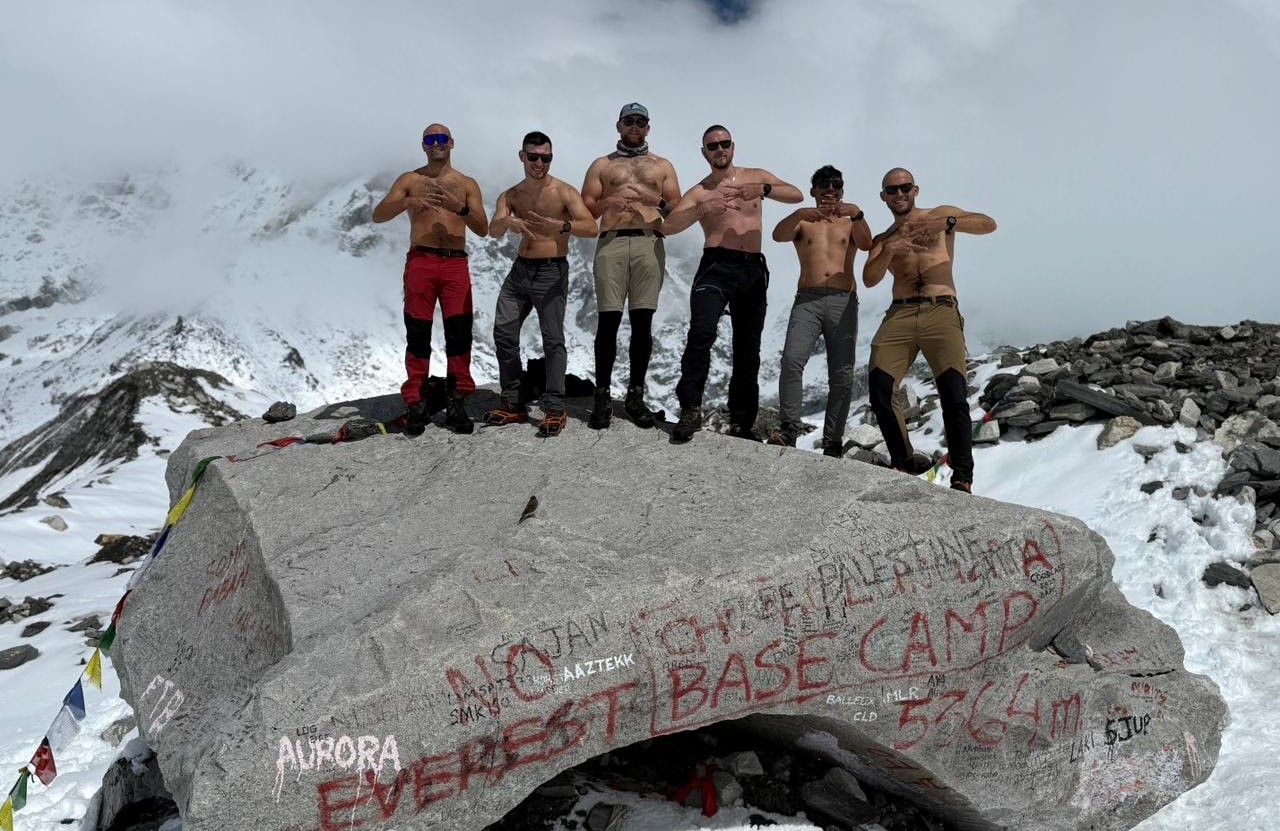
The trek normally takes 12 to 14 days, although the exact itinerary mostly depends on your starting point & acclimatization days. Over the full journey, you will cover around 130 kilometres (80 miles), with most trekking days ranging between 8 and 15 kilometres depending on the itinerary. Since you will spend much of the journey at high altitude, understand the trek profile helps put its difficulty into perspective.
What makes the Everest Base Camp trek difficult?
Let's break the difficulty down instead of calling the trek simply "hard." That doesn't really tell you much. Once you understand each one, you will have a much clearer picture of Everest Base Camp Trek difficulty level & whether you're prepared for it.
High altitude & thin air
For most trekkers, this is the biggest challenge on the entire route. Everest Base Camp Trek altitude is what catches many people off guard. As you climb higher into the Khumbu region, the amount of oxygen available to your body gradually decreases.
You start from Lukla (2,860 metres), where the air still feels fairly comfortable, but that changes as you pass through villages like Namche Bazaar, Tengboche, Dingboche, Lobuche, & Gorakshep. Around Namche Bazaar (3,440 metres), a lot of trekkers begin to notice that uphill walks leave them breathing harder. By Dingboche (4,410 metres) & Lobuche (4,910 metres), even a slow walk on gentle ground can leave you short of breath. Near Gorakshep (5,164 metres), simple tasks like climbing a few steps or carrying your backpack gets noticeably more tiring.
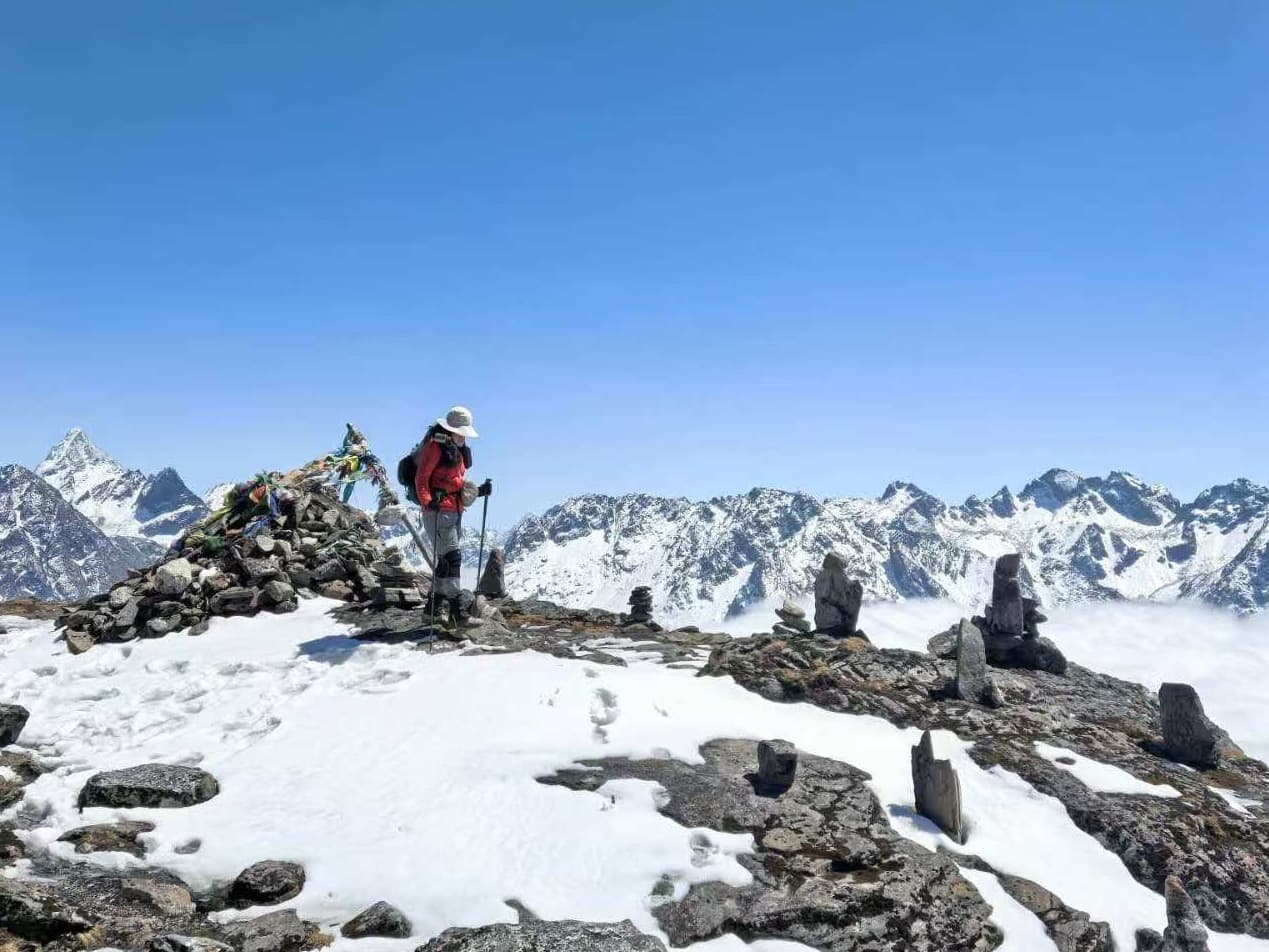
The highest point on most itineraries is Kala Patthar (5,545 metres), not Everest Base Camp. The steep climb, freezing morning temperatures, & thin air force many trekkers to stop frequently to catch their breath, even if they're physically fit.
How altitude sickness can affect the difficulty of the Everest base camp trek?
Lower oxygen levels do not just make you breathe harder. They also increase the risk of altitude sickness, which is one of the main reasons people fail to complete the Everest Base Camp Hik.
The first stage is Acute Mountain Sickness (AMS). It normally begins with symptoms such as headache, nausea, loss of appetite, dizziness, unusual tiredness, or difficulty sleeping. These symptoms often appear above 2,500 to 3,000 metres & become more common as you continue towards Dingboche, Lobuche, & Gorakshep. Even mild AMS can make a normal trekking day feel much harder because every uphill section requires more effort on Everest trekking routes.
If AMS is ignored & you continue climbing, it can develop into more serious conditions such as High Altitude Pulmonary Edema (HAPE), where fluid builds up in the lungs, or High Altitude Cerebral Edema (HACE), where the brain begins to swell. Both are medical emergencies & require immediate descent & professional treatment.
Trekkers also carry acetazolamide (Diamox) after discussing it with their doctor. It can help reduce the risk of altitude sickness, but it should never replace proper acclimatization or encourage climbing higher when symptoms appear.
This is why Everest Base Camp itineraries include acclimatization days before continuing to higher elevations.
Long days of walking
On most days, you will walk 5 to 7 hours, but a few days can stretch to 8 or 9 hours. That may not sound extreme at first, but remember, you are doing it day after day instead of treated it as a one-off hike.
The longest & most demanding day for plenty of trekkers is the journey from Lobuche to Everest Base Camp, and then the return to Gorakshep. After several days of gaining altitude,You will hike for 7 to 9 hours across rocky glacial terrain before finally reach to the Base Camp.
The next day,you will wake up early to climb Kala Patthar. By then, most of the people are already feeling the effort from the previous days.
The challenge is not just the distance. It's the combination of long walking hours, higher elevation, & consecutive trekking days. By the second week, even small uphill sections take longer, short breaks feel more frequent, & you start paying much more attention to where you can sit down & rest during Everest Base Camp journey. .
Steep climbs & descents
The Everest Base Camp Trek is not a steady uphill walk from start to finish. The trail climbs, drops, & climbs again almost every day. You'll often lose a few hundred metres of elevation only to gain it back a short while later. These repeated ascents & descents gradually wear you down, normally once you're above 3,000 metres EBC trail.
The climb from Phakding to Namche Bazaar is often the first real test. Another difficult section is between Namche Bazaar & Tengboche, where you first descend to the Dudh Koshi River before tackling a long uphill climb to Tengboche.
Near the end of the trek, the route from Lobuche to Gorakshep & the climb to Kala Patthar (5,545 metres) feels even more demanding because of the thinner air. The return journey is not as easy as many people imagine. Walk downhill for hours puts constant pressure on your knees, ankles, & thighs, normally after several days on Everest trekking trail . Even on the way back, the uneven rocks & long stone staircases demand careful footing & plenty of concentration.
Trail conditions
Large parts of the route are made up of uneven rocks, natural stone staircases, loose gravel, exposed tree roots, & glacial moraine near the higher villages. The terrain changes from forests around Phakding & Namche Bazaar to the rocky landscapes near Lobuche & Gorakshep.
You will cross dozens of suspension bridges, walk over uneven stone paths through Sherpa villages, & navigate rocky sections where a careless step can easily twist an ankle. Trekking poles are normally useful on longer descents & rougher sections of Everest Base Camp route.
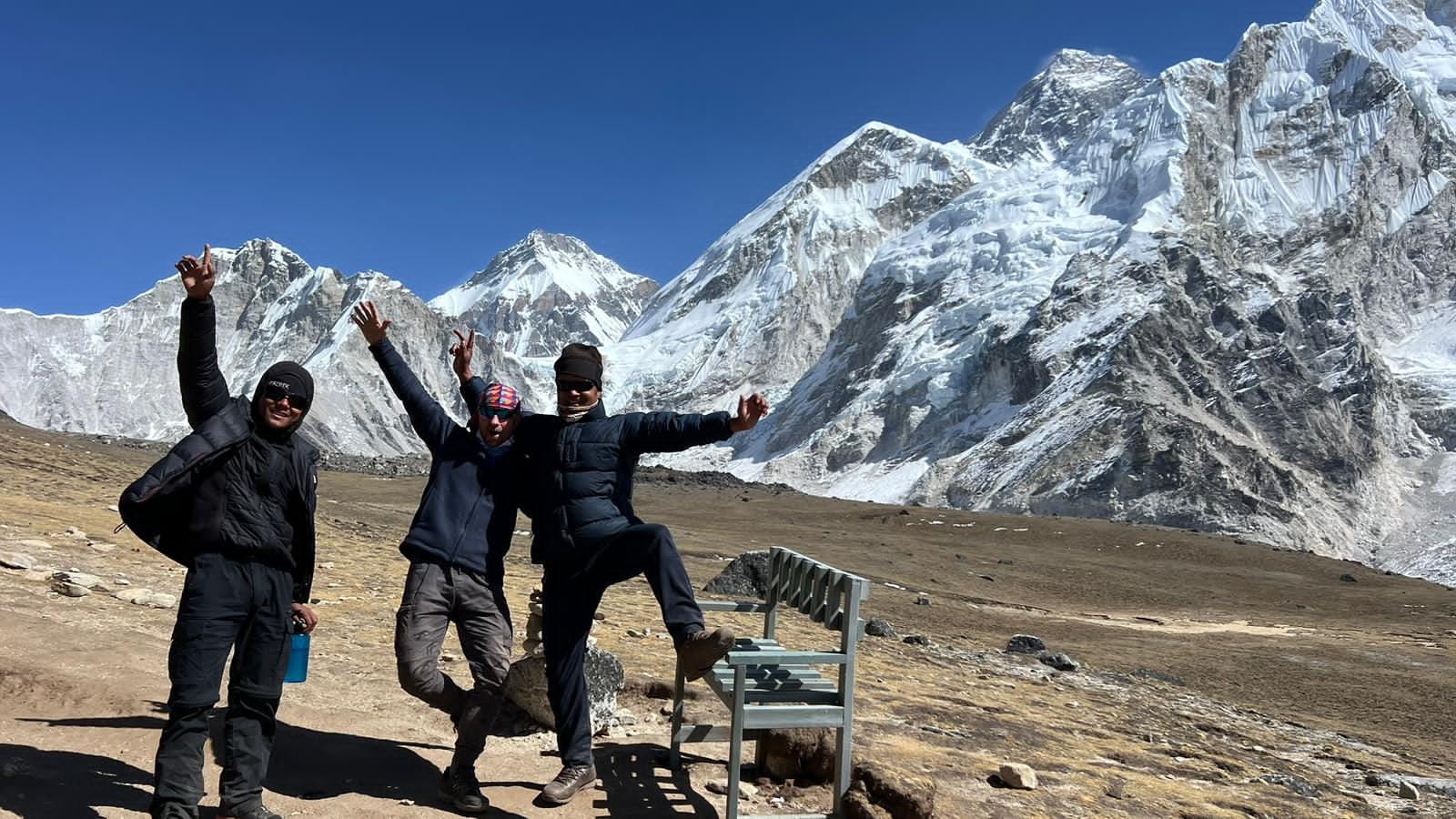
Trail conditions also change with the season. In spring & autumn, the paths are generally dry & easier to walk on, although dust can start to feel an issue on busy days. Over the monsoon, muddy & slippery trails get common, particularly below Namche Bazaar, where the forests hold more moisture.
In winter, snow & ice cover many higher sections between Dingboche, Lobuche, Gorakshep, & Kala Patthar which makes careful footing even more important.
Weather conditions
A comfortable morning can quickly turn into cold winds, clouds, or snowfall by the afternoon, normally at higher elevations. Even when the trail doesn't change, the weather can make the same section feel much more demanding.
Daytime temperatures are normally comfortable for walking, but mornings & evenings remain cold, particularly above 4,000 metres. As the sun disappears behind the mountains, temperatures drop quickly, & tea houses become surprisingly cold because most rooms are not heated.
December to February is the most challenging period. Daytime temperatures often stay below freezing at the higher villages, while nights in places like Lobuche & Gorakshep can fall to -15°C to -20°C, sometimes even lower. Snow & icy winds make the Everest Base Camp trek slower & more tiring.
In the monsoon, heavy rain at lower elevations, poor visibility, slippery trails, & frequent flight delays to & from Lukla create a different set of challenges, even though temperatures are warmer than in winter.
Remote location & limited facilities
Once you leave Lukla, there are no roads leading to Everest Base Camp. Every village is connected by foot, & almost everything you use along the EBC route is carried in by porters, yaks, or helicopters.
If the weather changes, flights to Lukla can stop for days. Supplies may arrive late, & getting medical help is nowhere near as simple as calling an ambulance. If someone develops serious altitude sickness, the only realistic options are to descend or wait for a helicopter if the weather allows.
Once you are a few days into the trek, the only way forward or back is on foot.
How food, accommodation, and basic facilities affect the trek?
After walk for six or seven hours, most people are not thinking about the scenery anymore. They think about food, a warm place to sit, & getting some sleep. That is when the simple living conditions in the Everest Base Camp teahouses feel much more noticeable.
Dal bhat, noodles, potatoes, soup, eggs, & fried rice become the meals. You will see again & again. Your appetite may also drop because of the altitude, even though your body still needs the calories.
Even if your appetite drops at higher elevations, try to eat regular meals because your body burns far more energy than it does at lower altitudes. Drinking enough water throughout the day also becomes important, as dehydration can make altitude-related symptoms feel worse. Many trekkers also avoid alcohol and smoking during the trek since both can affect acclimatization.
The rooms are basic above villages like Dingboche & Lobuche. You will probably spend the evening in the dining hall because it is the only warm place before heading to a cold room. Hot showers, charging your phone, & Wi-Fi often cost extra, & sometimes they are not available. After several days on the trail,you will understand why trekkers start getting excited about a hot meal & a good night's sleep in the Everest Base Camp accommodation.
Mental challenges of the Everest Base Camp trek
The Everest Base Camp Trek does not just test your legs. It also tests your patience, motivation, & mindset. There will be days when you feel strong & excited, & others when you wonder how much farther you still have to walk. That is completely normal, normally on a trek that lasts nearly two weeks.
One of the biggest mental challenges is that you have to slow down. At higher elevations, your body naturally moves at a different pace, no matter how fit you are. You may find yourself stopped more often to catch your breath or watching other trekkers move ahead. That can be frustrating at first, but the EBC Trek is not about who walks the fastest. It's about reaches to the destination safely.
There & also moments when the mountains remind you that you are not in control. Flights to & from Lukla can be delayed because of weather, snow may change your plans, & some days won't go exactly as you think. Staying patient is just as important as physical fitness on the Everest Base Camp journey.
How do the seasons affect the Everest Base Camp trek difficulty?
One of the biggest mistakes people make is to assume the EBC Trek has the same difficulty all year round. It does not. You could walk the exact same route in spring & then return in winter, & it would feel like a completely different trek. The villages, the trails, & the destination stay the same, but the conditions on the ground change a lot.
The season influences almost everything. You will experience it on the trail. It affects how cold the mornings & nights become, whether the paths & dry, muddy, snow-covered, or icy, how far you can see, & even whether your flight to Lukla takes off on time. These factors do not just change your comfort level. They also affect how much energy you use each day & how difficult the trek feels overall.
That's why there is no single answer to the question, "How difficult is the Everest Base Camp Trek?" The answer partly depends on when you go. Some seasons offer stable weather & easier trail conditions, while others demand more caution, extra gear, & a greater willingness to deal with unpredictable mountain conditions.
How to prepare for the Everest Base Camp trek?
The Everest Base Camp Trek becomes much more manageable when you prepare for it properly. You can not control the altitude or the weather, but you can arrive with better fitness, the right gear, & realistic expectations. A few months of preparation can make a noticeable difference once you are on the trail. Good Everest Base Camp preparation starts long before you arrive in Nepal.
Train for consecutive walking days
The trek is not about completing one long hike. You will be walking for nearly two weeks with very few rest days. Practice walking on consecutive days so your body gets used to recovering overnight & trekking again the next morning.
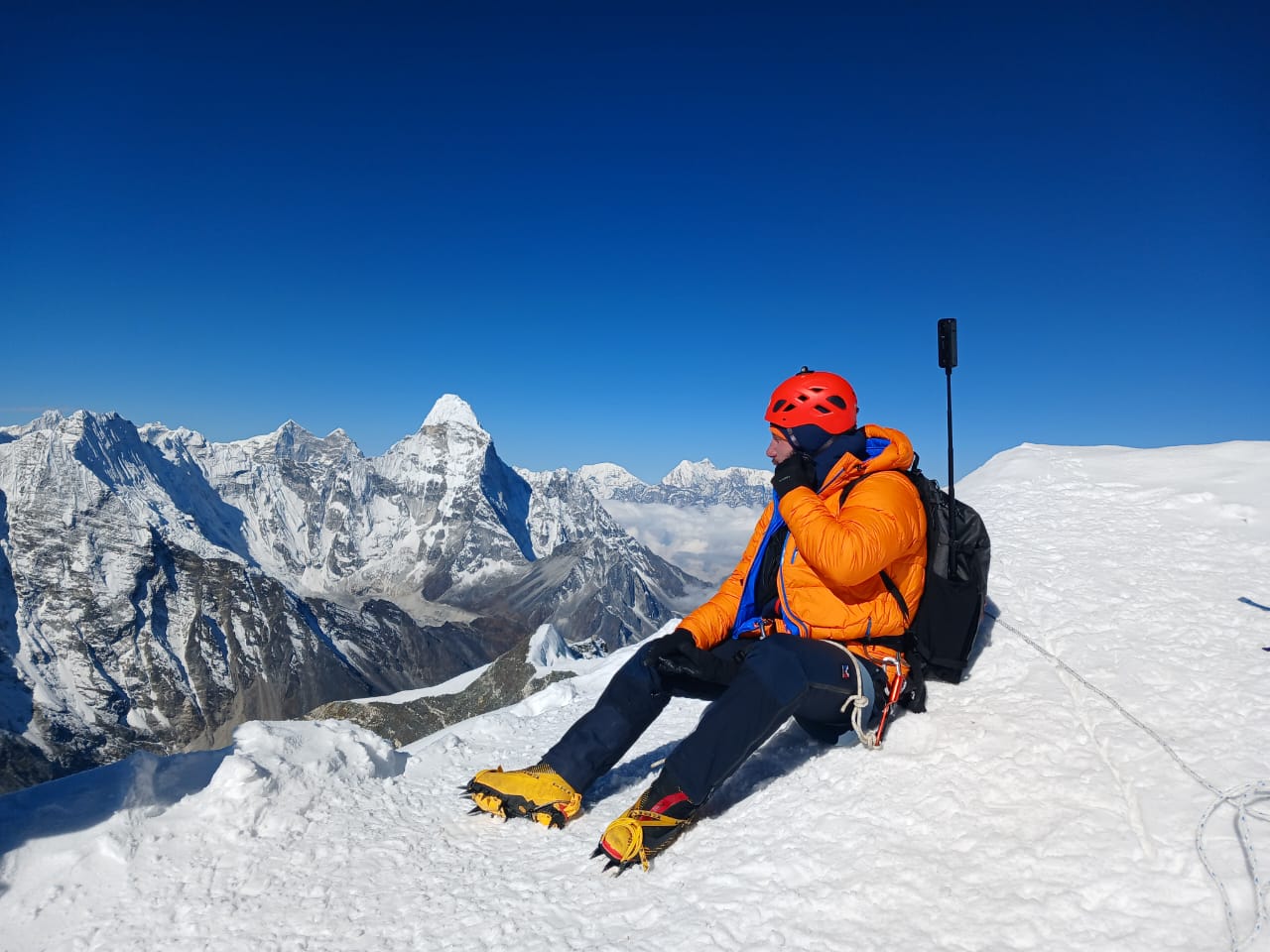
Get comfortable walking uphill & downhill
Flat roads will not prepare you for the Everest Base Camp trail. Train on hills, staircases, or hiking trails, and do not ignore downhill walking, as it puts constant pressure on your knees & ankles.
Prepare for the season you're trekking in
Your Everest Base Camp packing list should match the season. Winter brings snow, icy trails, & sub-zero temperatures, while the monsoon means muddy paths, rain, & possible flight delays to & from Lukla.
Be ready for basic mountain living
Higher up the trail, rooms are simple, nights are cold, & services like charging electronics or hot showers may cost extra or not be available. To know this in advance makes it easier to adjust.
Does hiring a guide or porter make the Everest Base Camp trek easier?
Yes, in many cases it does. A guide or porter will not reduce the altitude, shorten the distance, or make the climbs any less steep, but they can make the overall journey much more manageable. A guide takes care of navigation, helps with accommodation, keeps an eye on trekkers & adapting to the altitude, & knows how to respond if weather or health issues affect the itinerary.
A porter, on the other hand, reduces the physical load by stocking most of your luggage. To walk Everest Base Camp with only a light daypack feels very different from carrying 12 to 15 kilograms on your back every day. Less weight means less strain on your knees, shoulders, & back, normally during long climbs and on the return journey. If it is your first high-altitude trek, hiring an Everest Base Camp guide, a porter, or both can make the trek more comfortable without taking away the challenge of reaching Everest Base Camp on foot.
Common mistakes that make the trek harder
The Everest Base Camp Trek is already demanding on its own, but a few common mistakes can make it feel much harder than it needs to be. Most of them & avoidable, and they are often made by first-time trekkers who underestimate the effects of altitude or try to push themselves too much. Knowing what not to do can be just as helpful as knowing how to prepare.
Walking too fast
Many trekkers start with plenty of energy & walk faster than they should. At higher elevations, a steady pace gives your body more time to adjust & leaves you with more energy by the end of the day.
Choosing a short itinerary
To finish the trek in fewer days often means cutting acclimatization time, which increases the risk of altitude sickness. An itinerary with acclimatization days at Namche Bazaar & Dingboche gives you a much better chance of completing the Everest Base Camp itinerary safely.
Carrying too much weight
Many trekkers pack more than they need. A few extra kilograms become much more noticeable after hours of climbing above 4,000 metres, so keeping your backpack light makes the trek easier.
Ignoring early signs of altitude sickness
Headaches, loss of appetite, or dizziness are not symptoms to ignore. You will continue to climb without giving your body time to recover and can quickly make the situation worse.
Wearing new boots on the trek
New boots often cause blisters during the first few days of trekking. Break them in before your trip instead of wearing them for the first time on the trail. A good pair of trekking boots for Everest Base Camp can make long walking days much more comfortable.
Conclusion
If you are trying to decide whether this trek is right for you, don't let the word "Everest" make the decision for you. Look at your fitness, choose a sensible itinerary, prepare well, & give yourself enough time on the mountain. If you are willing to do that, the difficulty becomes something you work through one step at a time instead of something that stops you from reaching Everest Base Camp.
FAQs
Is Everest Base Camp Trek difficult?
Yes, but it's achievable for most people with good preparation. The biggest challenges are high altitude, long walking days, changing weather, and several days of trekking in a row.
Can beginners do the Everest Base Camp Trek?
Yes. Many first-time trekkers complete it successfully. A sensible itinerary, decent fitness, and enough time for acclimatization are far more important than previous trekking experience.
Is altitude the hardest part of the Everest Base Camp Trek?
For most people, yes. As you gain elevation, lower oxygen levels make every uphill section more tiring and increase the risk of altitude sickness.
How fit do you need to be for Everest Base Camp?
You should be able to walk for several hours on consecutive days with a light backpack. Training on hills, stairs, or hiking trails before the trek makes the journey much easier.
How many hours do you walk each day on the Everest Base Camp Trek?
Most trekking days take around 5 to 7 hours. The longest days, such as the hike to Everest Base Camp and the climb to Kala Patthar, can take 7 to 9 hours.
Is Everest Base Camp harder than Kilimanjaro?
It depends on the itinerary. Everest Base Camp involves more trekking days and a longer overall distance, while Kilimanjaro reaches a higher summit in fewer days. Many people find Everest Base Camp easier to acclimatize to because the itinerary usually includes planned acclimatization days.
Do I need a guide for the Everest Base Camp Trek?
A guide is not mandatory on every itinerary, but hiring one can make the trek easier. Guides help with navigation, accommodation, and altitude monitoring, while porters reduce the weight you carry each day.
How do I avoid altitude sickness on the Everest Base Camp Trek?
Ascend gradually, follow the acclimatization schedule, drink plenty of water, eat regular meals, and avoid climbing higher if symptoms become worse. You can also carry Diamox (acetazolamide) after consulting the doctor.