
- Top 10 Best Treks in Nepal
- Everest Base Camp Trek: The Classic Nepal Trek
- Annapurna Circuit Trek: Best for Diverse Scenery
- Manaslu Circuit Trek: Best for a Remote Experience.
- Annapurna Base Camp Trek: Best for Short Base Camp Trek
- Langtang Valley Trek: A short trek from Kathmandu
- Everest Three Passes Trek: Best for Experienced Trekkers
- Upper Mustang Trek: Best for a Different Himalayan Landscape
- Mardi Himal Trek: Best for a Short Himalayan Trek
- Gokyo Lakes Trek: Best for Lakes & Mountain Views
- Ghorepani Poon Hill Trek: Best for a Short Sunrise Trek
- How Much Does Trekking in Nepal Cost?
- Which Trek in Nepal is Right for Your Fitness Level?
- When is the Best Time to Trek in Nepal?
- FAQs
- Is trekking in Nepal suitable for children?
- Which trek in Nepal is best for families?
- Do I need a permit to trek in Nepal?
- Do I need travel insurance for trekking in Nepal?
- What food is available during treks in Nepal?
- What is accommodation like on Nepal trekking routes?
- Do I need a guide for trekking in Nepal?
- Which trek in Nepal is good for beginners?
- Conclusion: Which trek is best in Nepal?
Choosing the best trek in Nepal sounds simple until you start comparing the options. You will find plenty of lists naming one route after another as the “best,” but that does not tell you much about what the trek is actually like. A route that works well for an experienced trekker may feel too long or difficult for someone doing their first Himalayan trek.
That is where the choice becomes personal. Trekking in Nepal can mean short walks through mountain villages, long high-altitude routes, or demanding trails that cross mountain passes. Your available time, fitness, budget, trekking experience and comfort with altitude all matter when choosing a route.
This guide looks beyond the usual popularity rankings. It looks at what actually matters once you are on the trail. How difficult is it? How high do you go? How many days do you need? What kind of scenery & villages can you expect? More importantly, is the trek a realistic choice for you?
You will find honest comparisons to help you choose a trek that fits your plans, rather than simply picking the route.
Top 10 Best Treks in Nepal
Here are the major ten treks in Nepal worth considering, with what each route is actually best for.
Everest Base Camp Trek: The Classic Nepal Trek
If your main reason for coming to Nepal is Mount Everest base camp, this is the obvious choice. The trail takes you through the Khumbu region, where mountain villages, Buddhist monasteries, suspension bridges and huge peaks are part of the journey.
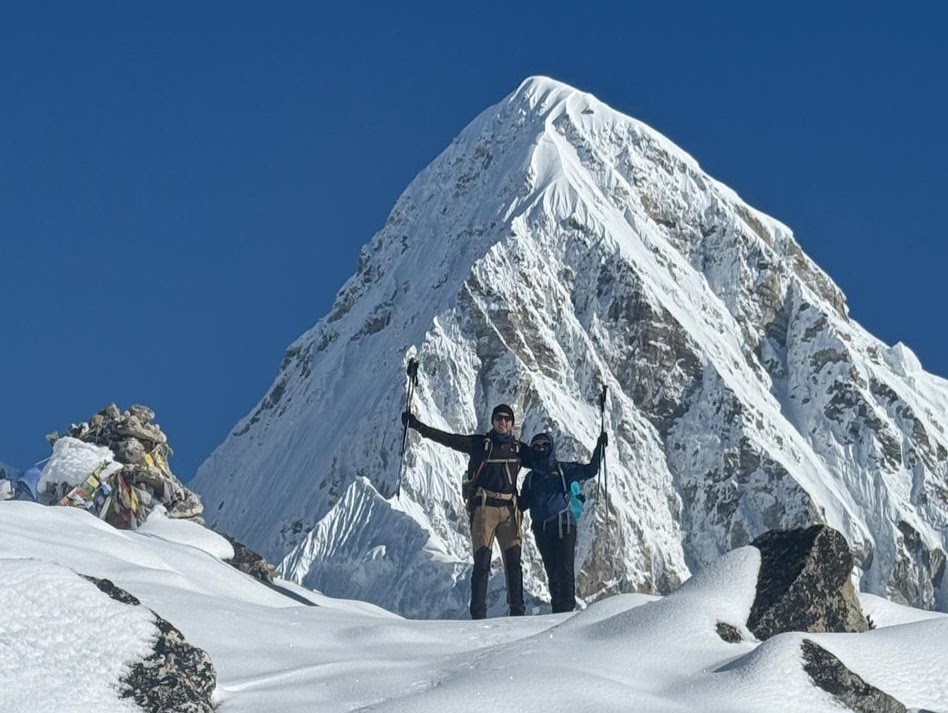
The trek is not technically difficult, but it is an altitude trek and therefore hard. You are already several days above 10,000 feet and then you arrive at Everest Base Camp at 17,598 feet. The trek to Kala Patthar is an extra challenge, but it gives you one of the best views of Everest.
Annapurna Circuit Trek: Best for Diverse Scenery
If you want variety, the Annapurna Circuit Trek is hard to beat. The landscape becomes very different as you travel from lower valleys into the high mountains. You go through forests, farming villages, dry valleys & Tibetan influenced settlements before arriving at Thorong La Pass at 5,416m.
It’s also a good choice if you want more than a single destination at the end of the trail. The journey is half the experience, itself.
Manaslu Circuit Trek: Best for a Remote Experience.
The Manaslu Circuit Trek is less crowded than the more popular trekking trails of Nepal. The trail passes through small mountain settlements & follows Budhi Gandaki Valley to reach the high Larkya La Pass at 5106 meters.
The route is physically demanding, & the infrastructure is more basic in remote sections. It also requires a restricted area permit, so this is not the trek you choose if you want the easiest logistics.
Annapurna Base Camp Trek: Best for Short Base Camp Trek
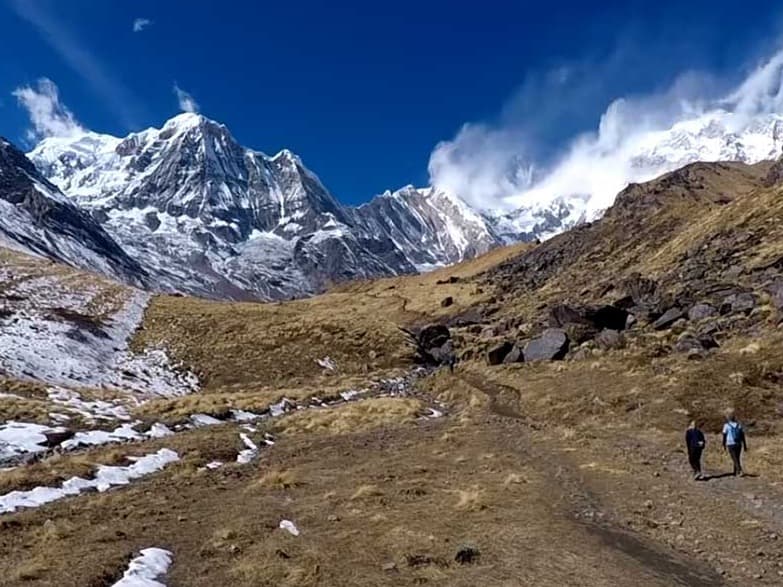
If you want a Himalayan base camp but don't want to spend two weeks on the trail consider Annapurna Base Camp. The trail ascends the Gurung villages, rhododendron forests and narrow mountain valleys to the Annapurna Sanctuary.
Annapurna Base Camp is much lower than Everest Base Camp at 4,130 meters. That doesn't make the trek easy, though. The path is littered with steep stone steps.
Langtang Valley Trek: A short trek from Kathmandu
The Langtang Valley Trek is a good option if you don’t fancy wasting time flying to Lukla or driving into the back end of beyond. The trek starts north of Kathmandu and enters the Langtang region. It passes through forests, Tamang villages, glaciers and high mountain views.
The trail arrives at Kyanjin Gompa at about 3,870 meters and there are higher viewpoints to ascend nearby.
Everest Three Passes Trek: Best for Experienced Trekkers
The Everest Three Passes Trek is not an easy alternative to Everest Base Camp. This is a serious high altitude trek crossing the Kongma La, Cho La & Renjo La. All three passes are over 5300 meters.
Plus you get Everest Base Camp, Gokyo Lakes, remote valleys & some of the biggest mountain views in the region. The trade off is obvious. Longer walking days, higher elevations, & more demanding terrain.
Upper Mustang Trek: Best for a Different Himalayan Landscape
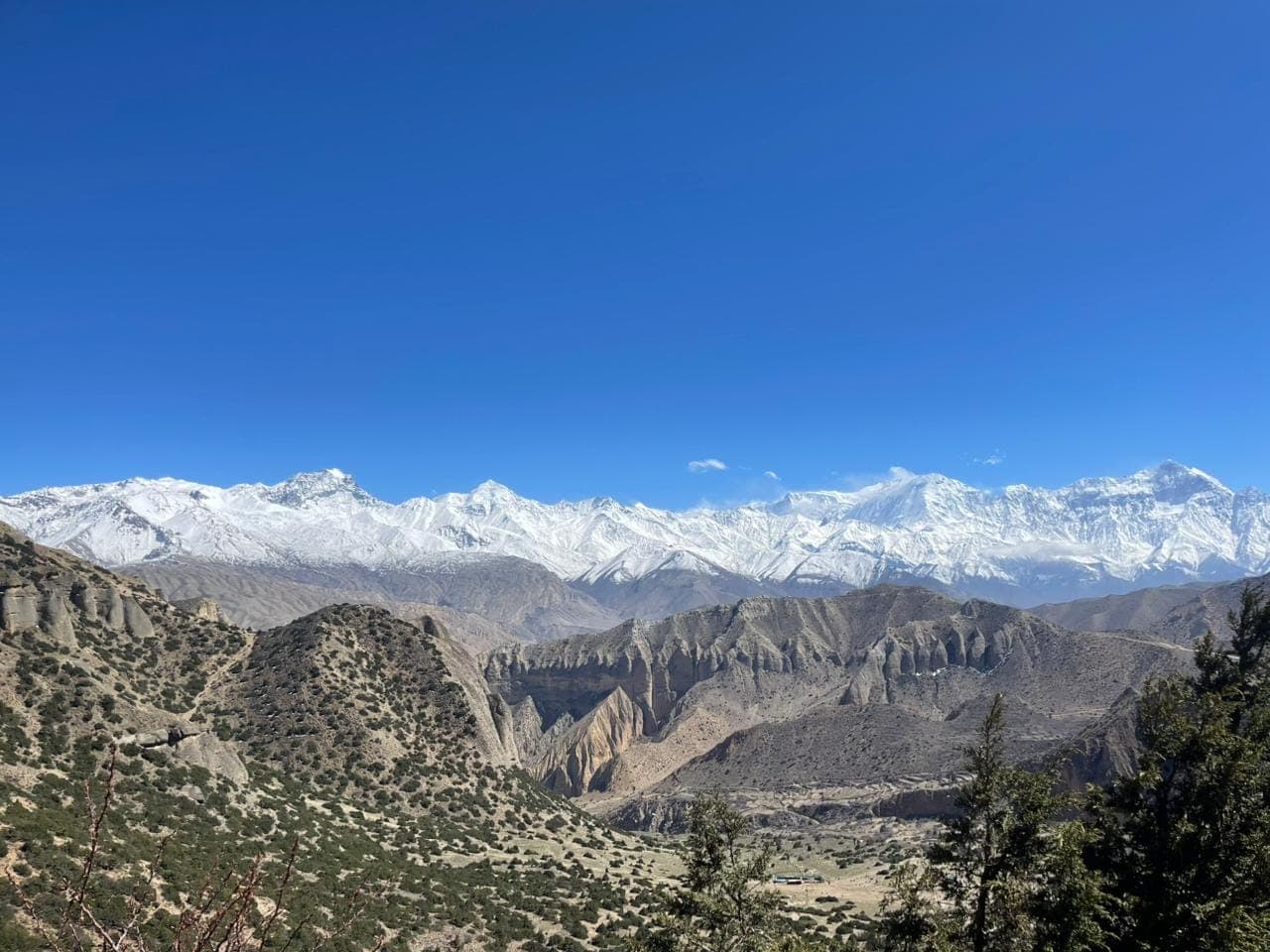
The Upper Mustang Trek feels nothing like the green valleys of lower Nepal. The landscape becomes dry, rocky, & almost desert-like as you enter the rain-shadow region behind the Annapurna & Dhaulagiri ranges.
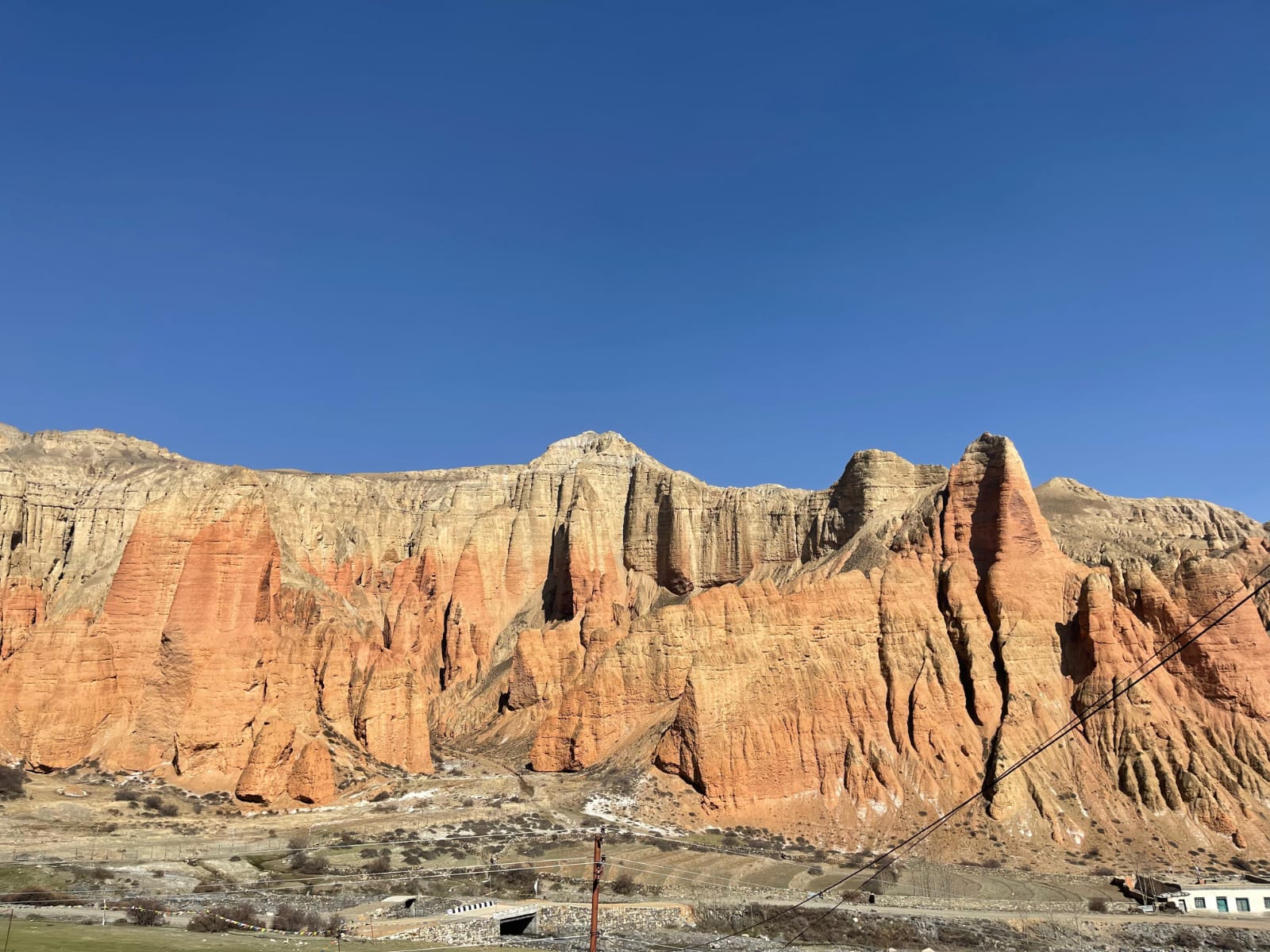
The route passes through old settlements, Buddhist monasteries, caves, & traditional Tibetan-style villages. Because Upper Mustang lies in a restricted area, you need a special permit & must trek with a licensed guide.
Mardi Himal Trek: Best for a Short Himalayan Trek
The Mardi Himal Trek is a good option if you want impressive mountain views without committing to a long, high-altitude trek. The trail starts near Pokhara & climbs through forests before reaching open ridges with views of Machhapuchhre, Annapurna South, Hiunchuli, & Annapurna I.
The route is shorter than many of Nepal’s famous trekking circuits, but the steep sections can still test your legs. Its relatively short duration makes it easier to fit into a limited Nepal itinerary.
Gokyo Lakes Trek: Best for Lakes & Mountain Views
The Gokyo Lakes Trek takes you into the Everest region without following the standard Everest Base Camp route all the way. The trail passes through the Dudh Koshi Valley & reaches a group of high-altitude glacial lakes surrounded by mountains.
The climb to Gokyo Ri at around 5,357 meters is one of the major highlights. From the top, you can see Everest, Lhotse, Makalu, Cho Oyu, & other peaks. The route also feels different from EBC because the lakes & quieter valleys become a bigger part of the trek.
Ghorepani Poon Hill Trek: Best for a Short Sunrise Trek
The Ghorepani Poon Hill Trek is one of the easier ways to get into the Himalayas without committing to a long trek. The route passes through Gurung & Magar villages, rhododendron forests, stone steps, & small mountain settlements.
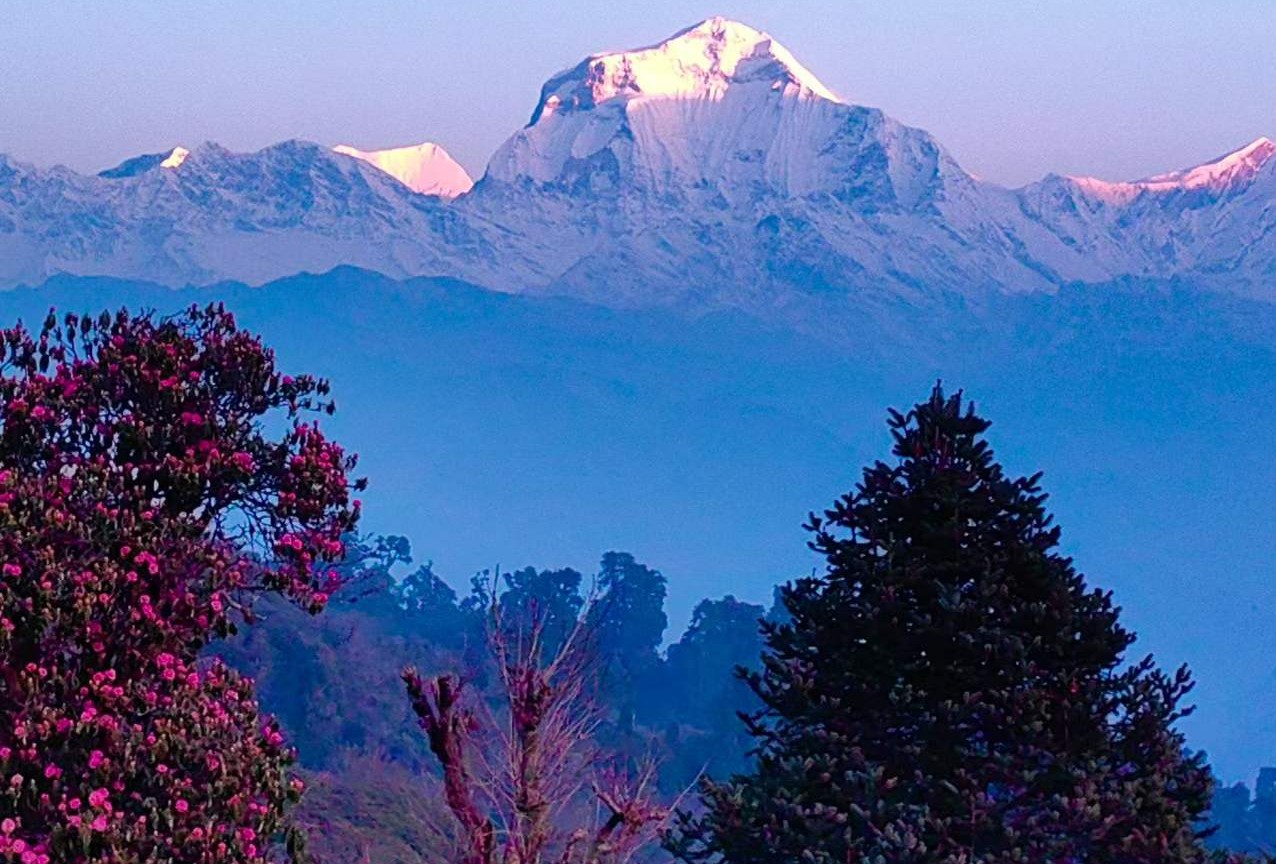
The main highlight is Poon Hill at 3,210 meters, where you can watch the sunrise over the Annapurna & Dhaulagiri ranges. The trek is short enough for travelers with limited time, but the stone steps can still make parts of the route surprisingly tiring.
How Much Does Trekking in Nepal Cost?
The budget can change the answer when you are deciding which trek is right for you. A short trek with easy access from Pokhara will not cost the same as a high-altitude route that needs flights, extra permits, & more days on the trail.
For a budget trek in Nepal, expect to spend roughly USD 25-50 per person per day if you travel simply & share costs. This can cover a basic teahouse room, meals, & small daily expenses. Once you add a licensed guide, porter, transportation, permits, flights, or a more comfortable package, the total rises.
What do you actually pay for?
Your trekking budget usually includes several separate expenses:
- Permits: Most trekking regions require entry or conservation permits. Restricted areas have additional fees.
- Accommodation: Teahouse rooms are generally inexpensive at lower elevations but can cost more in remote areas.
- Food: Dal bhat, noodles, soups, eggs, bread, & other teahouse meals make up most trekking menus.
- Guide & porter: A guide adds a significant amount to the total, but becomes particularly important on restricted & more remote routes.
- Transportation: Road transfers can be affordable, while flights to trekking trailheads can push the budget higher.
- Extra expenses: Hot showers, charging, Wi-Fi, snacks, drinks, laundry, & battery charging can add up during longer treks.
Which treks are more Budget-Friendly?
If cost is a big factor, the best choices tend to be shorter routes with easy road access. Ghorepani Poon Hill, Mardi Himal, Langtang Valley & Annapurna Base Camp can be quite manageable as you don’t need many trekking days.
Longer routes cost more simply because you spend more nights eating & sleeping out on the trail. Because of the flight to Lukla, Everest Base Camp & Everest Three Passes have higher transportation cost. Additional permits and logistics are required for remote routes like Manaslu and Upper Mustang and this can further increase the price.
Therefore, do not go for a trek solely based on the package price advertised. See what the price really includes. A cheaper package may not include permits, meals, flights or guide services & look cheap at first sight.
Which Trek in Nepal is Right for Your Fitness Level?
The number of days is not always an indication of how difficult a trek will be. A shorter route can be steep stone steps, a longer trail may have more gradual climbs. Another issue is altitude. The daily distance may seem the same but walking at 4,000 meters is a very different beast than walking at 2,000 meters.
It also depends on your past experience of trekking . If you don’t do a lot of hiking, jumping straight into a multi-day high altitude trek may not be a good idea. You don't have to be a sports person, but you must be able to walk for hours on uneven ground.
For First Time Trekkers
If this is your first trekking experience in Nepal, try to find routes with manageable altitude, shorter walking days, & simple logistics. Consider Ghorepani Poon Hill, Mardi Himal, Langtang Valley, and Annapurna Base Camp.
That doesn’t mean these treks are easy. There are still plenty of stairs to climb, and uneven trails. The difference is you’re not jumping straight in at the extreme altitude and length of a demanding Himalayan circuit.
For Regular Hikers
If you already walk regularly and can easily walk for several hours on consecutive days, you have more choices. Everest Base Camp, Annapurna Circuit, Gokyo Lakes & Manaslu Circuit can be considered.
The bigger issue is altitude, not just basic fitness. Being fit does not mean you’re immune to altitude sickness. Acclimatisation still matters.
For old hikers
Experienced trekkers can target routes with high passes, longer days & more remote sections. Trekking through Everest Three Passes, Manaslu Circuit, & Upper Mustang requires more preparation than a short valley trek.
You should be comfortable with changing weather, basic teahouse facilities, steep ascents & multiple days at high elevation. Preparation is not something you want to leave until the last minute on these routes.
When is the Best Time to Trek in Nepal?
The season can completely change what a trek feels like. Clear mountain views, dry trails, snow, rain, & cold temperatures all depend on when you travel. There is no single month that works equally well for every trekking region.
Spring: March to May
Spring is one of the busiest trekking seasons in Nepal. The weather is generally suitable for high-altitude routes, & the lower trails come alive with rhododendron flowers.
March can still be cold at higher elevations, while April & May tend to bring warmer days. Mountain visibility can become less reliable later in May as clouds & pre-monsoon conditions start to build.
Autumn: September to November
Autumn is another popular period for trekking in Nepal. The monsoon has usually cleared the atmosphere, leaving better visibility across the mountains. October is particularly popular because the weather is generally dry & the skies are often clear.
November brings colder nights, especially at higher elevations, but daytime trekking can still be pleasant.
Winter: December to February
Winter does not make trekking impossible, but altitude changes the equation. Higher passes can receive heavy snow & become difficult or unsafe to cross. Nights are also seriously cold at higher elevations.
Lower-altitude routes can still work well during winter, especially if you want quieter trails & do not mind cold mornings.
Monsoon: June to August
The monsoon brings heavy rain to much of Nepal. Trails can become muddy & slippery, while clouds often hide the mountain views. Leeches can also be a nuisance on lower forest trails.
That does not mean every trek should be ruled out. The Upper Mustang region sits in the rain shadow of the Himalayas, so it remains a strong option during the monsoon months.
FAQs
Is trekking in Nepal suitable for children?
Yes, Ghorepani Poon Hill, Mardi Himal, & Langtang Valley can be suitable for children who are comfortable walking for several hours. The trek should match the child’s age, fitness, & hiking experience. High-altitude routes with long walking days are less suitable for younger children.
Which trek in Nepal is best for families?
Ghorepani Poon Hill Trek is one of the better choices for families because it is relatively short & reaches 3,210 meters. Mardi Himal & Langtang Valley can also work for families with older children & regular hiking experience.
Do I need a permit to trek in Nepal?
Yes. The permit depends on the trek. Everest Base Camp requires a Sagarmatha National Park entry permit & local area permit, while Annapurna Circuit & Annapurna Base Camp require an Annapurna Conservation Area Permit. Manaslu & Upper Mustang require additional restricted-area permits.
Do I need travel insurance for trekking in Nepal?
Yes. Travel insurance is strongly recommended, especially for Everest Base Camp, Manaslu, Upper Mustang, & Everest Three Passes. Check that your policy covers trekking at the highest altitude of your route & emergency evacuation.
What food is available during treks in Nepal?
Teahouses serve dal bhat, noodles, rice, pasta, soup, eggs, potatoes, pancakes, porridge, & Tibetan bread. Dal bhat is particularly common because it is filling & available along most major trekking routes. Food choices become more limited at higher & remote sections.
What is accommodation like on Nepal trekking routes?
Most popular routes, including Everest Base Camp, Annapurna Circuit, Langtang Valley, & Ghorepani Poon Hill, have teahouses. Rooms are basic, usually with beds & blankets. Bathrooms may be shared, while hot showers, Wi-Fi, & charging often cost extra.
Do I need a guide for trekking in Nepal?
It depends on the route & current regulations. Manaslu & Upper Mustang require a licensed guide, while rules for other trekking regions can differ. A guide is also useful for navigation, accommodation, permits, & handling problems on longer or higher routes.
Which trek in Nepal is good for beginners?
Ghorepani Poon Hill, Mardi Himal, & Langtang Valley are good options for beginners who are reasonably fit. Everest Base Camp & Annapurna Circuit are also possible for first-time trekkers with proper preparation, but the higher altitude & longer walking days make them more demanding.
Conclusion: Which trek is best in Nepal?
The right choice depends on what you want from the trip & what you can realistically handle.
If you want the classic Himalayan experience, Everest Base Camp is a strong choice. If changing landscapes matter more, Annapurna Circuit is hard to overlook. For quieter trails, Manaslu Circuit makes more sense. Ghorepani Poon Hill, Mardi Himal, & Langtang Valley are better suited to shorter trips, while Everest Three Passes is for trekkers looking for a much tougher challenge.
Your decision should come down to time, budget, fitness, altitude, trekking experience, & the kind of landscape you want to see. Do not choose a trek simply because it is the most famous.
The best trek in Nepal is the one that fits your trip & leaves you with a good experience rather than a route you struggled to finish.