
- Langtang Trek and Gosaikunda Lake: A Scenic Himalayan Journey
- Why Langtang Feels Special
- The Langtang Valley Route
- Adding Gosaikunda to the Trek
- Tamang Heritage and Local Life
- Trekking Flow
- Best Time to Go
- Trek Difficulty
- Permits and Practical Planning
- What the Trail Feels Like
- Where You Stay
- Food on the Trek
- Highlights to Remember
- Packing Tips
- Safety and Acclimatization
- A Good Route Idea
- Final Thoughts
Langtang Trek and Gosaikunda Lake: A Scenic Himalayan Journey
The Langtang Trek is one of the most beneficial hiking trail in the Himalayas in Nepal due to its strong views of the mountains, the rich local culture and the accessibility from Kathmandu. The trip is even more stunning when combined with Gosaikunda Lake, and the resulting sacred waters, loftier altitudes, and greater sense of adventure.
For those who prefer a more tranquil travel experience, this trek can also be a wonderful choice as it will not be as hectic as Everest or Annapurna trek. It is a real Himalayan experience not without feeling rushed, suitable for those who like to see both the scenery and the culture in a trek.
Why Langtang Feels Special
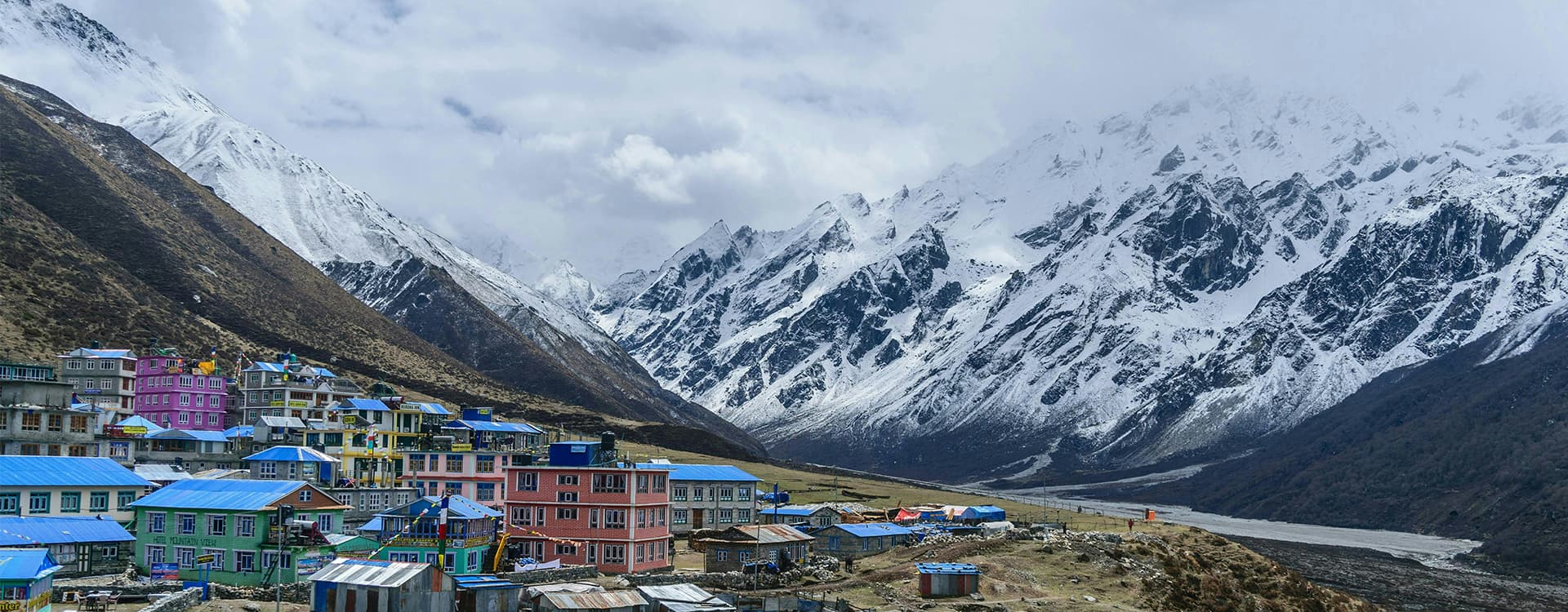
The Langtang area is a little bit offbeat of the many trekking areas of Nepal. The trail starts within the boundaries of Kathmandu, but as you cross the valley the hustle and bustle of the city gives way to forests, rivers and mountain villages.
The area is particularly special because of its close association with the Tamang culture. You navigate through small towns that contain aspects of mountain living, traditional culture and Buddhist rituals.
The Langtang Valley Route
The Langtang Valley Trek is the main attraction of the area. Most treks start from Kathmandu and then proceed to Syabrubesi after which the trek is along the river valley to Langtang Village and Kyanjin Gompa.
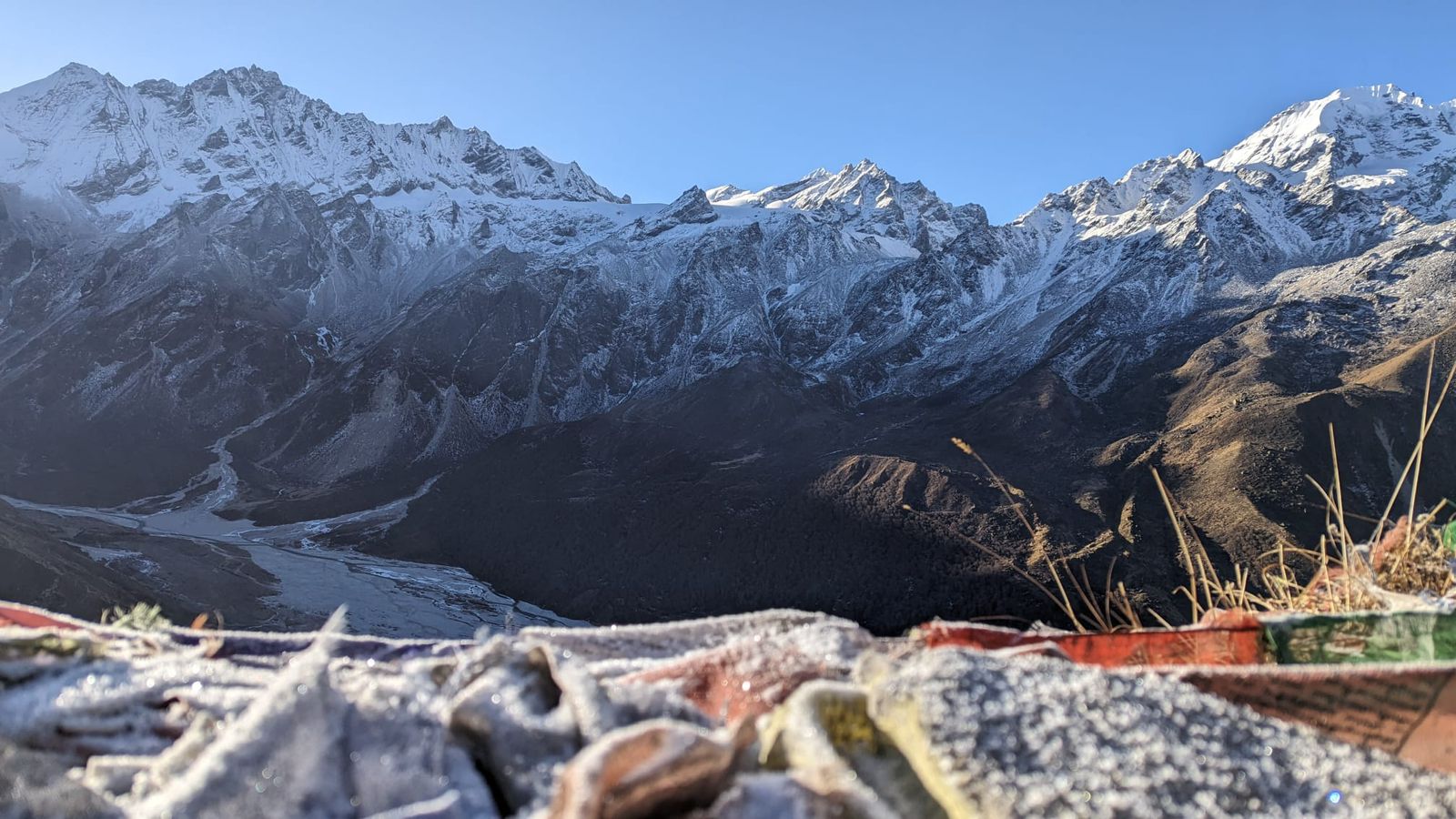
It is considered a section of the walk with steady pace, various vistas and a mountain vibe. You will generally find that the trail gets more open the higher that you are, and each day the views spread out.
Kyanjin Gompa is one of the most rewarding along the way. Here, a few hikers make a side hike to a viewpoint to enjoy a wider view of the other summits.
Adding Gosaikunda to the Trek
The trek to Gosaikuda does not have the same ambiance. Langtang Valley is green with a welcoming agricultural feel while the Gosaikunda area is high with an open and dramatic aesthetic.
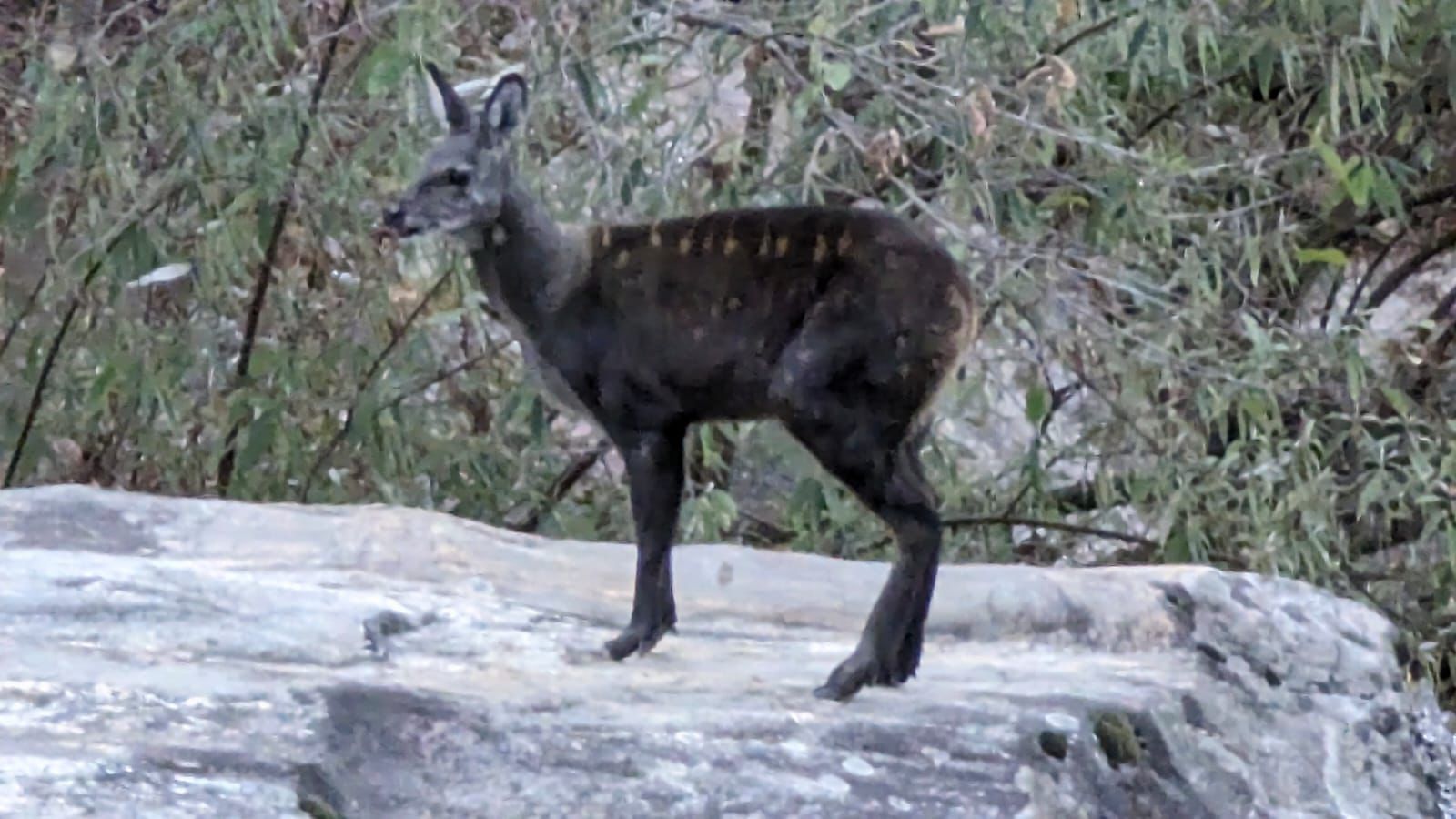
This lake is also a significant attraction for pilgrims and trekkers. Its importance is also sacred but so is its powerful and still beauty in the stillness and high altitude.
It is common to have a combined trek of Langtang and Gosaikunda as the two are very complimentary to each other. One is for culture and valley views and the other is a more rugged mountain experience.
Tamang Heritage and Local Life
All three of the following make the Tamang region a good reason to choose this trek: The villages to visit in Langtang are an opportunity to experience the host's hospitality first hand along with other nearby heritage routes.
Old houses can be seen, prayer flags can be seen as well as small monasteries and village life associated with farming and livestock. It's not a trip that's hurried from one vantage point to another, but instead offers opportunities to observe the mountain-living lifestyle.
Aside from the mountains, “cultural” travel is what you'd want as well; if so, then Langtang would be a good choice. The route has a personal, earthy and local feeling.
Trekking Flow
The typical Langtang trek begins from Kathmandu to Syabrubesi on a road.The Langtang trek begins at the drive from Kathmandu to Syabrubesi on a road. Then it leads uphill through woodlands, cross river and villages of mountain folk into the upper valley.
The landscape takes a turn when you head towards Gosaikunda. The trail steepens up and becomes more exposed, the feeling temperature drops, and there's an accentuated feeling of altitude.
This makes the journey seem like it offers you two trips in 1! The bottom part is low-tech and cultural, the top section is the challenge and drama of the mountains.
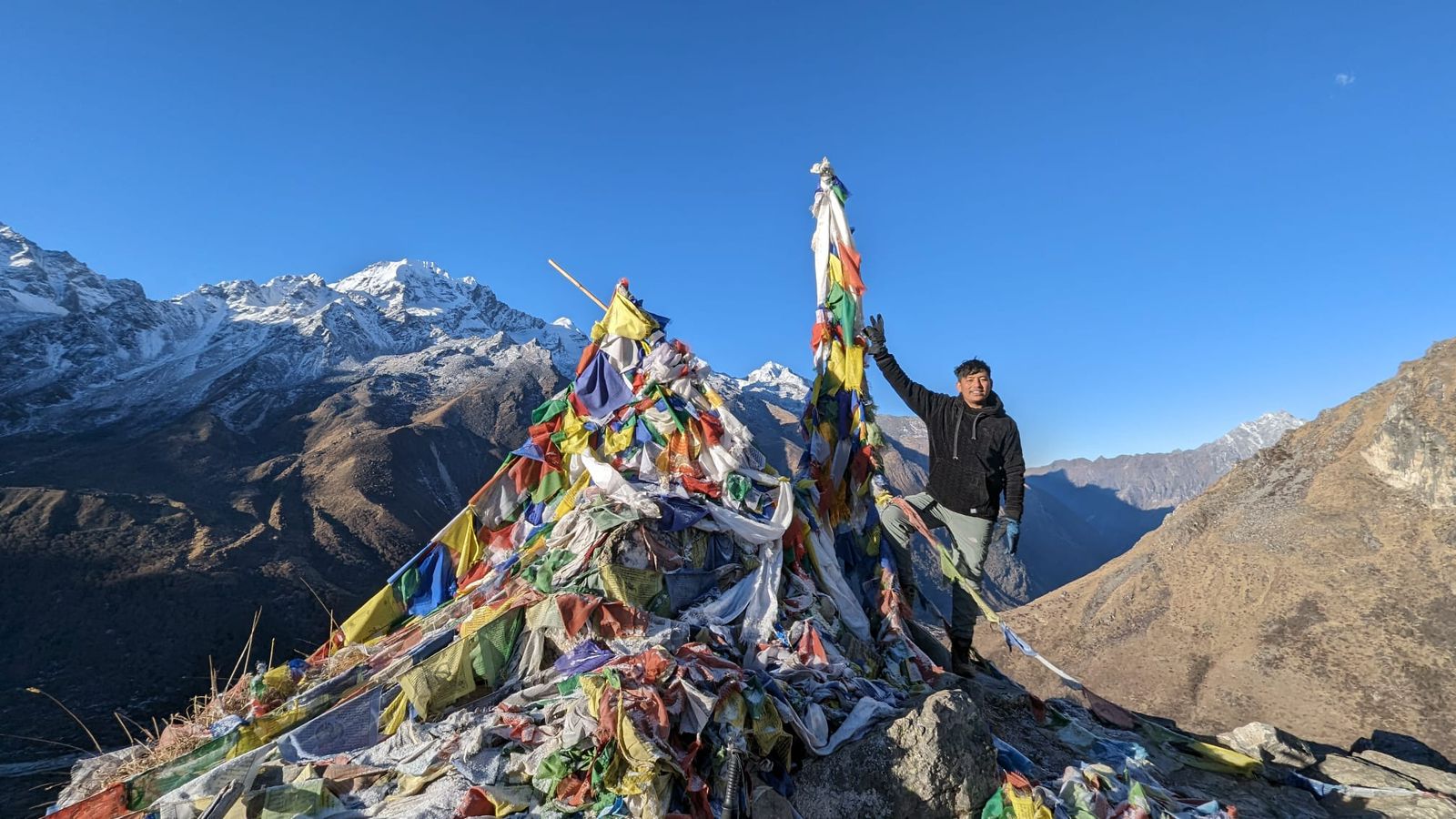
Best Time to Go
Spring and autumn are the most suitable seasons to go on Langtang Trek and Gosaikunda. The forested areas have rhododendrons in bloom and the mornings are clear again, days are warmer during the spring.
Fall is also a great season due to the clear air and crisp view of the mountains. Most of the time this is the driest and most comfortable time of year for trails.
With the right equipment, a trek to the mountains can still be a possibility in the winter, but it's definitely colder at high altitudes. Rainy seasons are not as favorable as the dry seasons as visibility may be reduced and trails may be flooded.
Trek Difficulty
Langtang Valley is a moderate trek in general. It's ideal for hiker who are fit enough to hike for several hours a day and are comfortable with slow, steady ascent to certain heights.
With Gosaikunda added into the trek, it becomes challenging. The air becomes thinner, so do the climbs, and the weather is colder and more exposed.
The main thing is to walk smoothly and at a slow pace. This is no place to be concerned with pace over speed.
Permits and Practical Planning
The Langtang area is a trek area in Nepal that has permits. These are some of the components of responsible travel as they contribute to conservation and local management of the area.
To make the trek as simple as possible, it is better to arrange for all the documents before going out of Kathmandu. This can be helped by a trekking agency, and minimised at checkpoints.
Here planning is important as the trek is quite remote for an adventurous spirit yet close to Kathmandu which travelers are expecting to be an easy trek. This is a simple access, but requires proper preparation.
What the Trail Feels Like
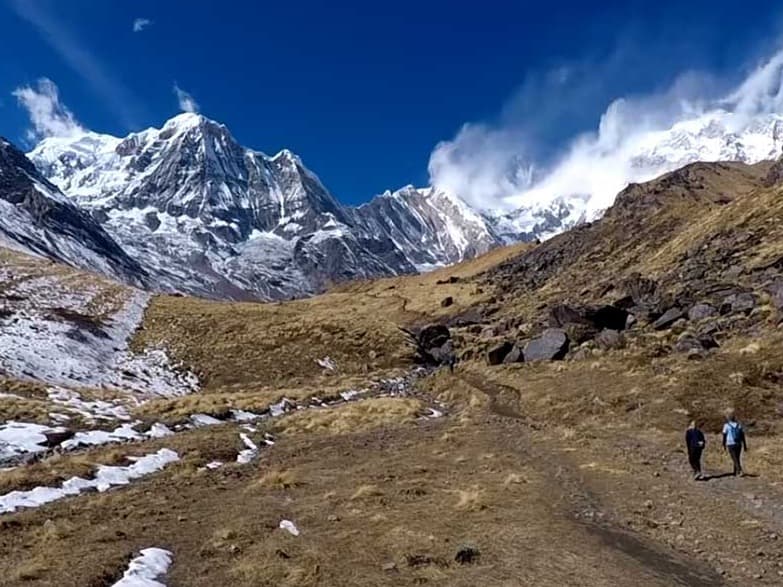
But the best thing about Langtang is the diversity. In the lower parts this is a forest walk and then a walk through the riverside and the land of the villages. Upstairs, the trail widens into alpine terrain, and opens the views up!
A different character to that of the Gosaikunda section. It's quieter, cooler and more open, adding to the high-mountain feel.
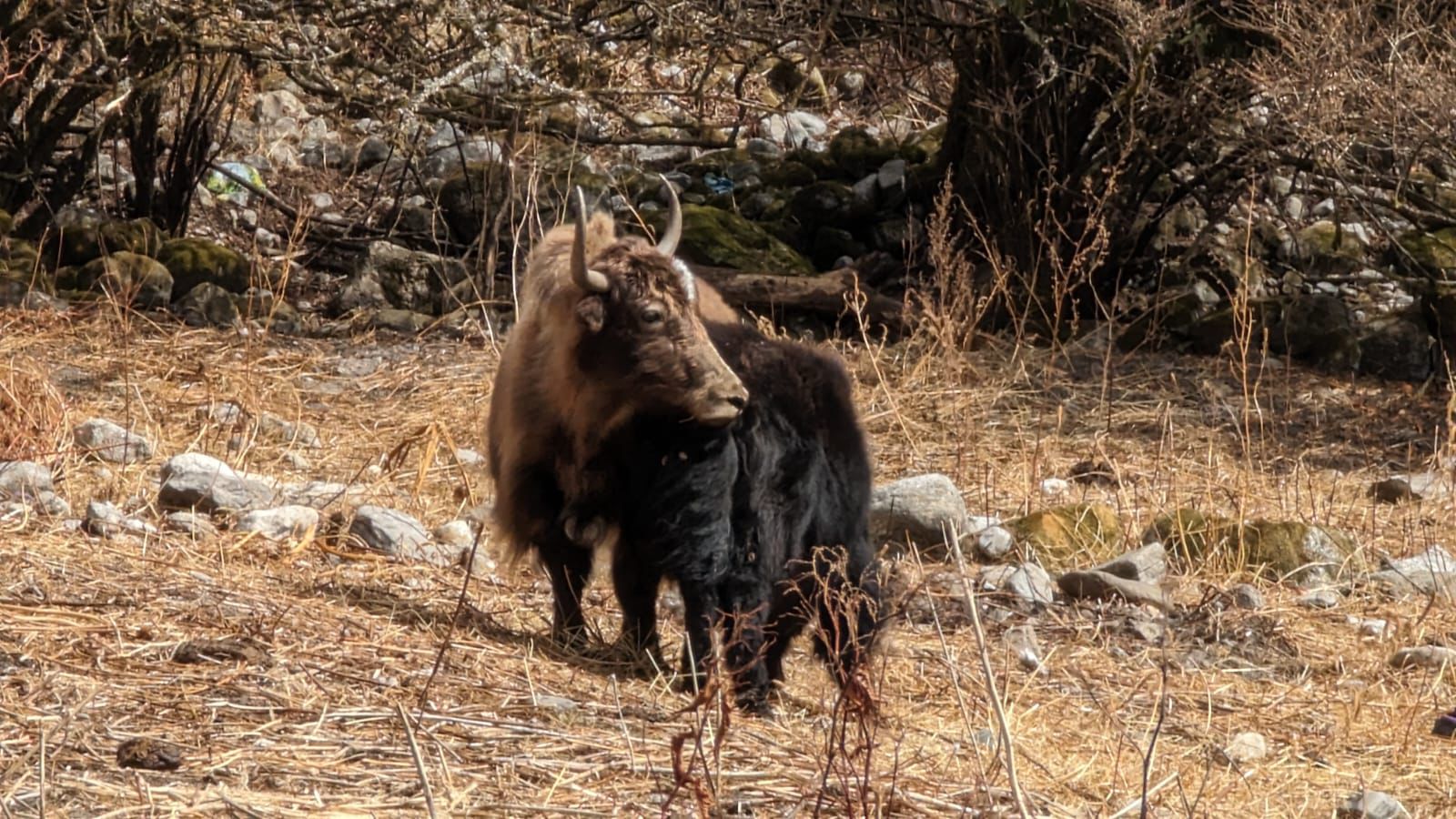
Much of that change of emotion stems from the way this hike is remembered. It's not only one perspective and one lake; it is a question of the complete journey through the landscape.
Where You Stay
On the Langtang trek it is typically possible to stay in teahouses or small lodges. They are very basic but they provide you a bed to rest after a hard walk, local food and a warm spot.
As you go higher, the accommodation becomes more basic. There is nothing wrong with it if that is the norm in the mountains, then knowing what to expect and having a warm sleeping bag would help.
On some of the nearby heritage routes, one can experience homestays as well. They can provide more personal encounters on the journey and help you see life as it happens.
Food on the Trek
The basic, satisfying and sustaining meals at Langtang help to keep trekkers going. One of the most popular dishes is “Dal bhat” as it provides slow release energy and is readily available from the route.
There will also be soups, noodles, potatoes, eggs, tea and some simple snacks. The Menu shrinks as you ascend higher particularly the Gosaikunda section.
That said, mountain food is a part of what it is. The food isn't on the level, but, after a long day on the trail, it's usually good enough to finish it off.
Highlights to Remember
There are a number of memorable highlights to be found on the Langtang Trek. The drive from Kathmandu, the changing forest scene, the villages of the Tamang Community and the views of the upper valley are all exceptional.
Amongst the most popular places to visit in the valley is Kyanjin Gompa as well as Gosaikunda is a high-altitude lake of immense sacredness and a dramatic experience. They complement each other to make the journey a really good mixture of natural, cultural, and adventurous experiences.
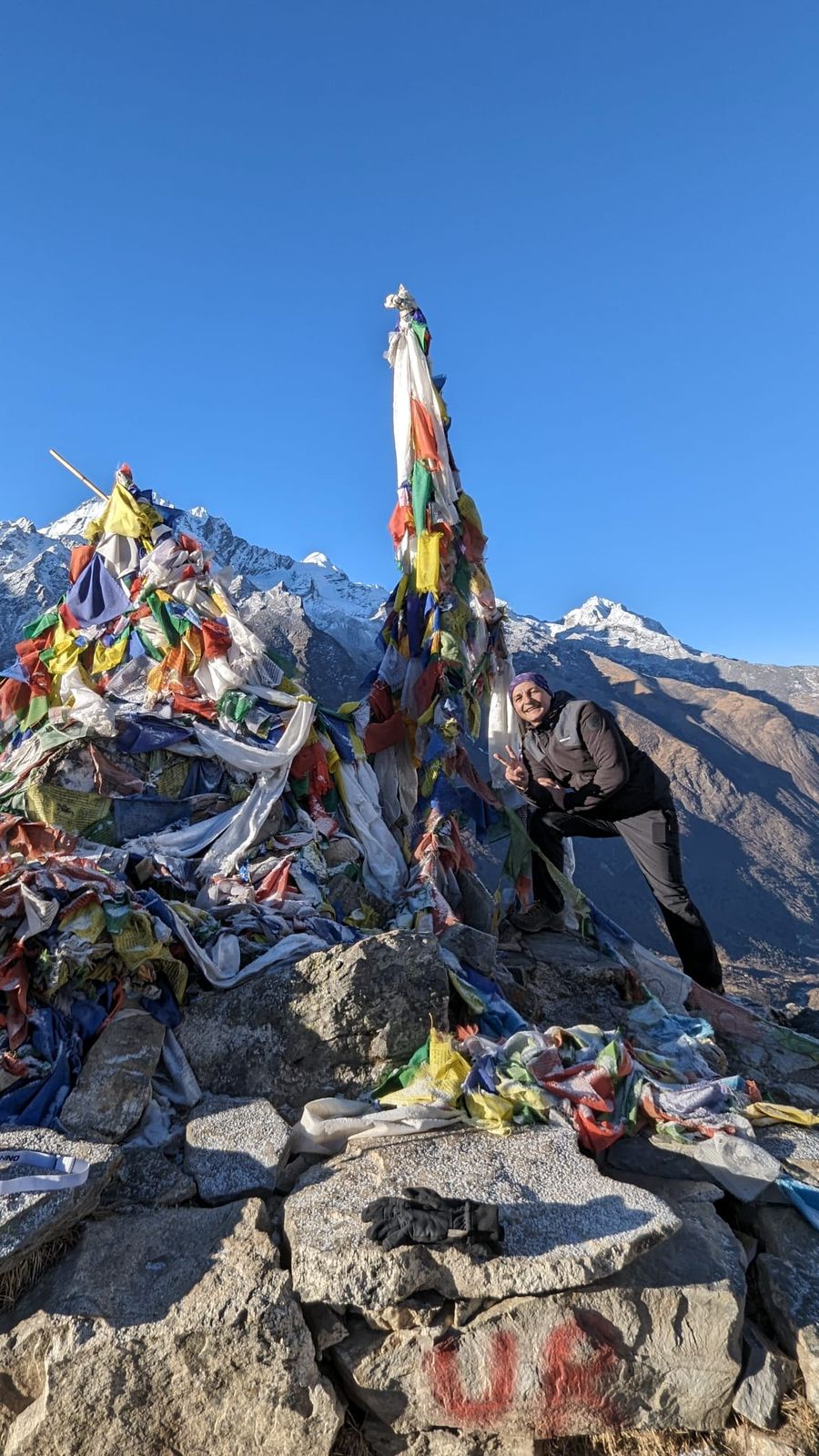
For a fare and a real journey, this one provides that and more. There's something nice about it that it's never too slick or too packed.
Packing Tips
Bring warm layers due to changing weather conditions. Here, a good jacket, gloves, rain protection, trekking boots and a sleeping bag suitable for cold temperatures are all important.
Sunglasses, sun cream, a reusable water bottle and basic items for supporting altitude should also be taken. The higher you get, the more important it is to have a minimalist, light pack.
The ascent is easier, particularly when it ascends towards Gosaikunda, when the bag is lighter. It's not so important to have extra gear you'll never use as it is to be comfortable!
Safety and Acclimatization
This hike is one of the most important things to pay attention to—altitude. The upper parts are fairly steep, particularly towards Gosaikunda.
Walking slowly, staying hydrated and listening to your body are very helpful. The right acclimatisation will make it more fun and reduce the risks of major issues.
Weather also can vary rapidly in the mountains. It is always better to have a flexible plan than to try and adhere to a strict one.
A Good Route Idea
A typical Langtang trek begins in Kathmandu and leads to Syabrubesi and then through the valley – a visit to Gosaikunda is the final destination. This way, you can appreciate the cultural part of the region first and then work up to the higher alpine part of it.
Some trekkers tend to concentrate on Langtang Valley and others prefer to have country of the valley, lake and higher passes. These are two methods that work well, depending on your time and fitness.
The most important thing is to select the speed that is comfortable for you. It is much better to have the pleasure from each part when you're on a journey by itself, rather than just finishing the trip.
Final Thoughts
The Langtang Trek is among the top trails for those looking for a less crowded experience in the mountains of Nepal. The route becomes even more interesting and adventurous when you go through Gosaikunda, and experience the scenery of the holy lake.
This hike offers nature and culture in its natural element. For any route that offers meaning, beauty and close to Kathmandu, Langtang should be at the top of your list.