
Let us get you one thing straight right. Choosing the wrong month will make your trek a lot harder than you probably think of. Just imagine walking through muddy trails in the rain or reaching a viewpoint only to witness the mountains covered in clouds. You did not travel all the way to Nepal for that, right?
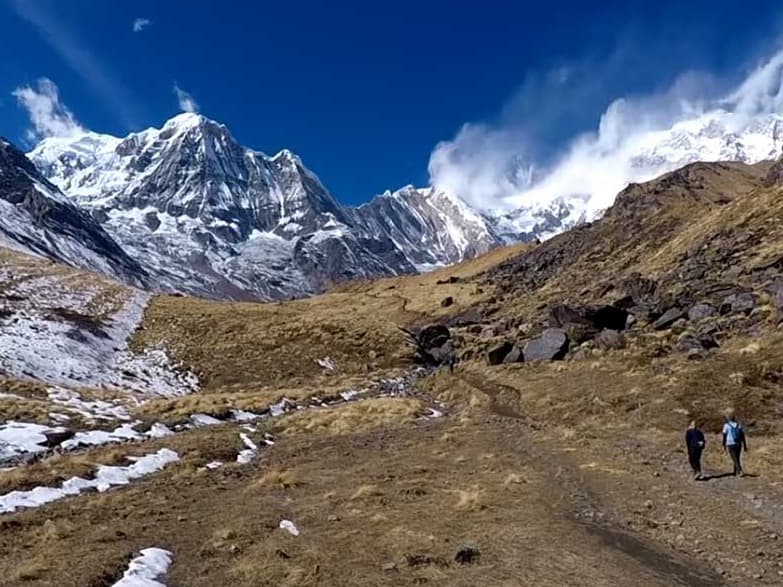
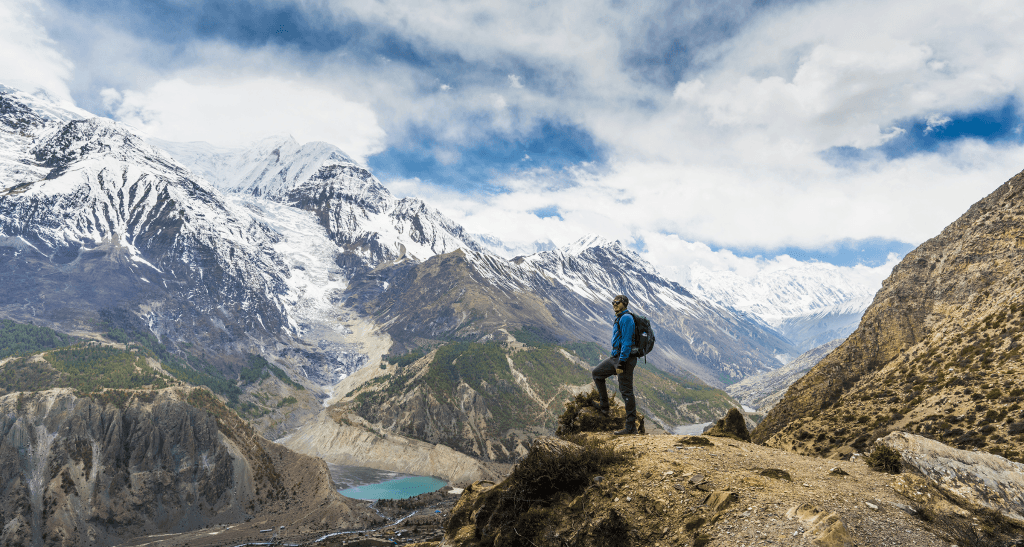
Pick the right time, though & you could get clear blue skies, snow covered peaks & incredible views along the way.
So, when is the best time to trek in Nepal? Autumn and spring are generally the best choices for most trekking routes. But winter and monsoon also have their own speciality which depends on where you want to go.
Let's look at each season and break down everything you need to know, so you will decide when to plan your trek.
Four Seasons in Nepal: A Quick Overview
Nepal has four main seasons & each of them brings different weather conditions to the mountains. Before choosing your trekking dates, remember that the weather in Kathmandu will be completely different from the weather at 4,000 meters. So, your experience will also depend on the region and altitude.
Here is a quick look at the four seasons.
-
Autumn (September to November): One of the best times for trekking in Nepal. The weather is generally dry, the skies are clearer after the monsoon & mountain views are surreal.
-
Winter (December to February): Cold temperatures and snowfall will make high altitude routes very difficult. However, lower altitude treks offer quieter trails and beautiful mountain views on clear days.
-
Spring (March to will): Another popular trekking season. The weather gets warmer, rhododendrons bloom in the hills.
-
Monsoon (June to August): Rain, muddy trails, leeches & cloudy skies will make trekking difficult. But, rain shadow regions such as Upper Mustang and Upper Dolpo are perfect to trek in this season.
Now, let's look at what each season actually feels like on the trail.
Autumn Trekking in Nepal (September to November)
If you ask when to trek in Nepal for good mountain views and generally favorable weather, autumn is one of the first seasons to consider.
Autumn runs from September to November,just after the summer monsoon. Once the rain begins to ease, the atmosphere often becomes clearer, and mountain views kind of start to improve. Temperatures are also comfortable for walking at many trekking destinations.
There is one catch, though. Autumn is popular for a reason, so expect busy trails, especially in October.
September: The End of the Monsoon
September is a transition month. The monsoon usually starts to withdraw during this period, but the weather does not change everywhere at once. Early September will still bring heavy rain, particularly at lower elevations.
As the month progresses, conditions often improve. The hills are green after the summer rain & you will find fewer trekkers than during the October rush.
If you plan to trek in September, keep your itinerary flexible. Rain will still affect trails, road journeys & thedomestic flights. Check the latest weather forecast before setting off, especially if your route involves high mountain passes.
October: One of the Best Months to Trek in Nepal
October is one of the most most popular months for trekking in Nepal. The monsoon has usually ended, the air is often clear, and daytime temperatures are comfortable on many trekking routes.
This is a great time for popular adventures such as the Everest Base Camp Trek, Annapurna Base Camp Trek, and Manaslu Circuit Trek. You have a really good chance of enjoying mountain views without dealing with the heavy rainfall.
But October is not some magical month when everything goes perfectly. Popular teahouses will fill up, trails become busy & the weather will still change. If you are planning a longer trek or traveling during a major holiday, arrange your accommodation & transport in advance.
November: Clear Views and Colder Nights
November is another great month for trekking in Nepal. The weather is generally dry, visibility is often good, the trails become quieter as the month goes on.
The main difference is the temperature. Days are still pleasant but mornings and nights start feeling colder. By late November, snow as well as freezing temperatures will affect high passes such as Thorong La and the passes along the Everest Three Passes Trek.
If you prefer cooler weather & fewer crowds than October, November is worth considering. Just bring enough warm clothing and check the conditions of your chosen route before departure.
Spring Trekking in Nepal (March to will)
Spring is another great time to trek in Nepal. After winter, temperatures gradually rise, forests come alive with colorful flowers & the days become longer.
It is also a popular season for trekkers heading to the Everest and Annapurna regions. Lower elevation trails look especially beautiful when rhododendrons bloom, although the timing depends on altitude and local weather.
Spring is not always as clear as autumn. Afternoon clouds will build up & haze will affect mountain views later in the season. Still, it offers a good mix of comfortable trekking weather and beautiful scenery.
March: Winter Starts to Ease
March marks the beginning of spring, although higher parts of Nepal will still feel very much like winter.
Lower elevation trails start getting warmer & rhododendrons begin blooming in some areas. You will also find fewer trekkers than during the busy autumn months, particularly at the beginning of the season.
However, do not underestimate the cold at higher elevations. Snow will remain on mountain passes and temperatures drop significantly at night. If your trek involves crossing a high pass, check the latest conditions before you leave.
March is a good option if you want to enjoy the early signs of spring without traveling during the busiest part of the season.
April: Flowers, Comfortable Days & and Busy Trails
April is one of the best months for trekking in Nepal. Temperatures are generally comfortable for walking, rhododendrons bloom across many hillsides and popular trekking routes become lively.
It is also a major season for mountaineering expeditions in the Everest region. If you trek towards Everest Base Camp, you will meet climbers preparing for their summit attempts.
The downside is that you will not have every trail to yourself. Popular teahouses will get busy, and accommodation will need to be arranged ahead of time.
Afternoon clouds will also affect visibility, particularly later in spring. Starting your walk early gives you a better chance of enjoying clear morning views.
May: Warmer Days Before the Monsoon
May is the final month of spring and usually brings warmer temperatures. Lower elevation trails will feel hot during the day, while higher areas remain cold, especially after sunset.
As the month progresses, pre monsoon humidity and cloud cover become more noticeable in many regions. Afternoon showers are also possible, mountain views will be less consistent than in October or early spring.
That does not mean it may be a bad month for trekking. It will still work well if you plan your daily walks around the weather and choose a route suited to the season.
If you are trekking at higher elevations, remember that warm weather in the valleys does not mean you will leave your winter layers at home.
Winter Trekking in Nepal (December to February)
Most people think of autumn and spring when planning a trek in Nepal. But what about winter?
Winter trekking is possible & it will be a good option if you really prefer quieter trails. You will enjoy clear mountain views, peaceful villages & fewer people at popular viewpoints.
The main problem is the cold. Temperatures drop sharply at higher elevations, snowfall will block mountain passes & some teahouses close for the season at very higher elevations. You need to choose your route carefully.
December: Cold Mornings and Clear Skies
December offers good mountain views, but only during clear weather. The trails are so much quieter than in autumn & lower altitude treks will be enjoyable if you bring warm clothes.
However, temperatures fall below freezing at many high altitude destinations. Snowfall will also affect routes and make certain passes difficult or unsafe to cross.
If you plan to trek in December, consider your altitude, the availability of accommodation, and the weather forecast. A shorter trek at a lower elevation will be a better choice than a difficult high pass route.
January and February: The Coldest Months
January and February are generally the coldest months for trekking in Nepal. Snow will accumulate at higher elevations, strong winds make conditions more uncomfortable and some high mountain routes become difficult to access.
You will also find fewer open teahouses in remote areas. This means you need to plan your accommodation & meals carefully instead of expecting the same services available during peak trekking season.
Does that mean you should avoid winter completely?No, not necessarily.
Lower altitude routes such as Ghorepani Poon Hill and the Tamang Heritage Trail would be suitable winter options. Langtang Valley will also be considered, but check snow conditions & local advice before departure.
High altitude treks and mountain passes require much more caution. If you lack winter trekking experience, do not choose a difficult route simply because you want to avoid the crowds.
Monsoon Trekking in Nepal (June to August)
Let's be honest. Monsoon is not the first season we would recommend if your main goal is clear mountain views.
From June to August, much of Nepal receives heavy rainfall. Trails will become muddy and slippery, leeches appear in forested areas and landslides will affect roads & walking routes. Domestic flights will also face delays or cancellations.
Cloud cover is another problem. You might spend several days trekking through beautiful mountain scenery without seeing much of it.
Still, monsoon trekking is not impossible. You just need to choose your destination carefully.
Why will the Monsoon be difficult?
Rain affects more than just your photographs. On some routes, muddy trails make walking tiring, while landslides will disrupt travel plans. Rivers & streams will also become difficult to cross after heavy rainfall.
Leeches are common on wet, forested trails, particularly at lower elevations. But you can reduce the problem by wearing suitable footwear, using gaiters and checking your clothes regularly.
If you are planning a monsoon trek, add buffer days as well. Do not assume you will complete every walking day or reach your destination exactly when planned.
Where will you trek during the Monsoon?
Rain shadow regions are worth considering if you want to trek during this season.
Upper Mustang and Upper Dolpo lie beyond major Himalayan barriers that block much of the monsoon moisture. These regions are considerably less rainfall than many other parts of Nepal, making them attractive options during the wet season.
However, less rainfall does not mean perfect weather. Wind, clouds, road conditions, and occasional rain will still affect your trip. These regions also have their own permit requirements and travel arrangements.
If you are determined to trek between June and August, research the specific route rather than assuming all high altitude destinations stay dry.
Which month should you choose for your Nepal Trek?
The best month depends on what you want from your trip. If you are still unsure, here is a simple way to narrow down your options.
For rhododendrons and warmer days: Choose March or April. These months are excellent for enjoying Nepal's spring landscapes but popular trails will get busy.
For fewer crowds: Consider early September, late November or winter on a suitable lower altitude route. Conditions may vary, so check your destination before booking.
For a winter trek: December will work well for lower altitude routes. January & February require more careful planning because of the cold and possible snowfall.
For a monsoon trek: Consider rain shadow regions such as Upper Mustang or Upper Dolpo. Research permits, road conditions & local weather before committing.
Conclusion
If you want a straightforward answer, then October, November, March and April are among the best months to trek in Nepal. These months generally have favorable weather & good chances of enjoying the mountain views you came to see.
But do not book your trip based on the calendar alone. Think about where you want to go, how high you want to trek, and most important, how much cold or rain you are prepared to handle. A route that works well in October will require a different plan in January or July.
Choose your route, check the conditions and give yourself enough time to enjoy the journey without any pressure.
And one last thing. Even during the best trekking season, the mountains do not follow your itinerary. Leave some days for changes and remember that turning back is sometimes the right decision.